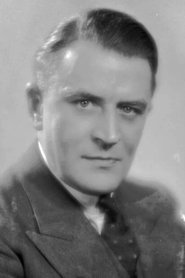
Malcolm Keen
Actor
Born: August 8, 1887 in Bristol, England Died: January 30, 1970 Active: 1920-1960
Films
1 film
About Malcolm Keen
British actor who had a significant career spanning four decades in theater, film, and early television. Born in Bristol, England, he began his career on the stage before transitioning to silent films during the 1920s. He gained particular recognition for his collaborations with the young Alfred Hitchcock, appearing in several of the director's early British films including 'The Lodger' (1927), 'Downhill' (1927), and 'The Farmer's Wife' (1928). Keen's stage background contributed to his powerful screen presence, and he was known for playing authoritative, often paternal figures throughout his career. He successfully made the transition to sound films, demonstrating his versatility and adaptability as technology evolved. During the 1930s and 1940s, he continued to appear in British films, though his roles became increasingly supporting in nature. In his later years, Keen embraced the new medium of television, appearing in several productions during British television's formative years, cementing his status as one of the enduring character actors of British cinema's golden age.
The Craft
On Screen
Keen was known for his authoritative stage-derived acting style, bringing theatrical gravitas to his film roles. His performances were characterized by strong presence, clear diction, and the ability to convey complex emotions through both subtle facial expressions and commanding voice work. As a stage actor first, he possessed excellent projection and enunciation skills that served him well in the transition to sound films. He specialized in playing figures of authority - police officers, fathers, judges, and officials - with a natural authenticity that made him a reliable character actor. His style was more classical and restrained than methodical, reflecting his theatrical training and the acting conventions of his era.
Milestones
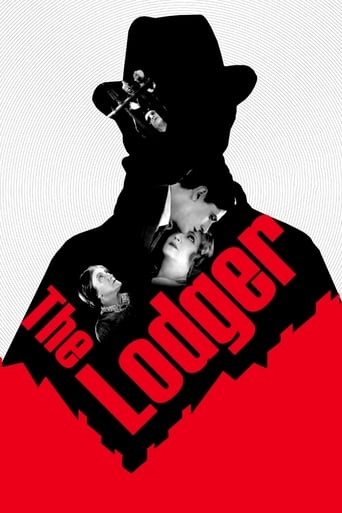
- Breakthrough role in Alfred Hitchcock's 'The Lodger' (1927)
- Multiple collaborations with Hitchcock in his early career
- Successful transition from silent films to talkies
- Prolific stage career before and during film work
- Early adoption of television in the 1950s
- Four-decade spanning career in British entertainment
Best Known For
Iconic Roles
Must-See Films
Working Relationships
Worked Often With
Studios
Why They Matter
Impact on Culture
Malcolm Keen played a significant role in the development of British cinema during its formative years, particularly through his collaborations with Alfred Hitchcock. His performances in Hitchcock's early silent films helped establish the director's distinctive style and narrative techniques during a crucial period in cinema history. As a stage actor who successfully transitioned to film, Keen represented the bridge between Victorian theatrical traditions and modern cinema, helping to legitimize film acting as a serious artistic endeavor. His work in early British cinema contributed to the establishment of a national film identity that would influence generations of British filmmakers. Keen's ability to adapt to changing technologies - from silent films to talkies to television - demonstrated the versatility required of actors during this revolutionary period in entertainment history.
Lasting Legacy
Malcolm Keen's legacy lies primarily in his contributions to early British cinema and his role in helping establish Alfred Hitchcock's career. His performances in some of Hitchcock's first major films remain important artifacts of cinema history, studied by film scholars and enthusiasts interested in the director's development. Beyond his Hitchcock collaborations, Keen's four-decade career exemplifies the journey of many character actors of his era - from stage to silent film to sound film to television. Perhaps most significantly, his legacy continues through his son Geoffrey Keen, who became a prominent actor in his own right, creating a multi-generational contribution to British cinema. Keen represents the unsung heroes of classic cinema - the reliable character actors who provided the foundation upon which stars and directors built their careers.
Who They Inspired
While not a major star, Malcolm Keen influenced British cinema through his work with emerging directors and his dedication to the craft of acting. His stage background brought a level of professionalism and technique to early British films that helped elevate the medium's artistic credibility. His successful transition from silent to sound films served as a model for other actors facing the technological revolution in cinema. Through his son Geoffrey, he indirectly influenced later generations of British actors, particularly those who followed the path from character roles to more prominent positions. Keen's work in Hitchcock's early films helped establish patterns and techniques that would become hallmarks of the thriller genre, influencing countless subsequent films and directors.
Off Screen
Malcolm Keen was married to Kathleen Mary Williams, and their marriage lasted from 1915 until his death in 1970, spanning 55 years. The couple had two children, including their son Geoffrey Keen, who would also become a successful actor, appearing in numerous James Bond films as the character 'Frederick Gray'. This created a notable acting dynasty within the Keen family. Keen was known as a private individual who maintained a separation between his public persona and personal life. Despite his long career in entertainment, he rarely gave interviews or discussed his private matters publicly, preferring to let his work speak for itself.
Family
- Kathleen Mary Williams (1915-1970)
Did You Know?
- He was one of Alfred Hitchcock's favorite actors in the director's early British period
- His son Geoffrey Keen appeared in 11 James Bond films as Sir Frederick Gray, the Minister of Defence
- He appeared in three of Hitchcock's first five films as director
- Keen was still acting in television productions well into his 70s
- He began his career on the stage at age 16, long before entering films
- His role in 'The Lodger' was particularly significant as he played the detective hunting the suspected killer
- He was a member of the Royal Shakespeare Company earlier in his career
- Unlike many silent film actors, he had no difficulty transitioning to sound films due to his stage training
- He appeared in over 50 films throughout his career
- His final film appearance was in 'The Punch and Judy Man' (1963) starring Tony Hancock
In Their Own Words
The stage teaches you discipline that film alone never can - you learn to project, to be heard, to command attention without the camera's help.
Working with Hitchcock in those early days was exciting - none of us knew we were making history, we were just trying to tell good stories.
Frequently Asked Questions
Who was Malcolm Keen?
British stage and film actor active from the 1920s to the 1960s, best known for his collaborations with Alfred Hitchcock in the on YTB.my. He appeared in several of Hitchcock's first films including 'The Lodger' (1927) and had a prolific career as a character actor in British cinema and television.
What films is Malcolm Keen best known for?
Titles linked here include The Lodger: A Story of the London Fog (1927), The Farmer's Wife (1928).
When was Malcolm Keen born and when did he die?
Born August 8, 1887; died January 30, 1970.
What awards did Malcolm Keen win?
There are no major recorded awards or nominations for Malcolm Keen, which was common for character actors of his era. His recognition came primarily through his consistent work and collaborations with prominent directors like Alfred Hitchcock, rather than formal awards.
What was Malcolm Keen's acting style?
Malcolm Keen's acting style was rooted in his theatrical training, characterized by authoritative presence, clear diction, and strong projection. He specialized in playing figures of authority and brought a classical, restrained approach to his film roles that successfully transitioned from silent films to talkies.
Did Malcolm Keen have any famous family members?
Yes, Malcolm Keen's son Geoffrey Keen became a successful actor who appeared in 11 James Bond films as Sir Frederick Gray, the Minister of Defence. This created a notable acting dynasty within the Keen family spanning multiple generations of British cinema.
How did Malcolm Keen influence cinema?
Malcolm Keen influenced cinema primarily through his work with Alfred Hitchcock during the director's formative years, helping establish early British thriller conventions. His successful transition from stage to silent film to sound film to television demonstrated the adaptability required during cinema's technological revolutions.
Was Malcolm Keen only active in 1927?
No, this is incorrect. While 1927 was a significant year with his appearances in multiple Hitchcock films, Malcolm Keen's career actually spanned from 1920 to 1960, covering four decades of work in film, stage, and television. The 1927 date likely refers only to his breakthrough year rather than his entire career.