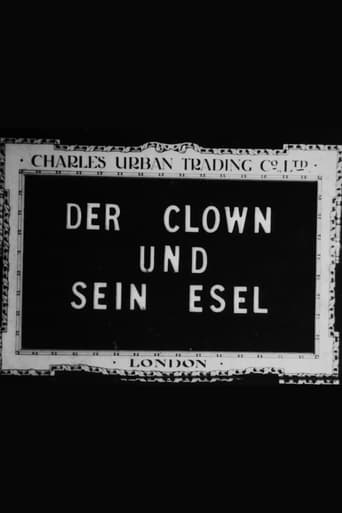
Films
1 film
About Charles Armstrong
Early American film director active during the days of cinema in 1910. His sole known directorial credit is 'The Clown and His Donkey,' a short silent film produced during the transitional period when cinema was evolving from novelty to art form. Armstrong worked during an era when directors often remained anonymous and films were frequently attributed to production companies rather than individual creators. Like many early filmmakers, he likely wore multiple hats, possibly serving as writer, producer, and even actor in addition to directing. The brevity of his known filmography suggests he may have been part of the vast workforce of early cinema pioneers who contributed to the medium's development but whose names have been lost to history. His work represents the experimental nature of early American filmmaking, when directors were establishing the visual language and narrative techniques that would define cinema for decades to come.
The Craft
Behind the Camera
Charles Armstrong's directing style, as evidenced by his single known work, reflects the straightforward approach typical of early cinema. Directors of this era focused on clear visual storytelling with minimal camera movement, using theatrical staging techniques adapted for the screen. The emphasis was on capturing action and emotion comprehensibly within the technical limitations of early film equipment.
Milestones
- Directed 'The Clown and His Donkey' (1910)
- filmmaker during the birth of American cinema
Best Known For
Must-See Films
Why They Matter
Impact on Culture
Charles Armstrong represents the countless anonymous pioneers who helped establish American cinema during its formative years. While his individual contribution may seem minimal with only one known film, he was part of the foundational generation of filmmakers who transformed cinema from a technological curiosity into a legitimate art form. Directors like Armstrong established many of the basic principles of visual storytelling that would influence generations of filmmakers to come.
Lasting Legacy
Charles Armstrong's legacy is primarily historical rather than artistic, serving as a reminder of the vast number of early filmmakers whose contributions have been lost to time. His single known work, 'The Clown and His Donkey,' stands as proof of the experimental spirit of early cinema and the thousands of directors who, like Armstrong, helped build the foundation of the film industry even if their names are not widely remembered today.
Who They Inspired
As an early pioneer, Armstrong's influence would have been primarily through his participation in the development of early film language and techniques. Directors working in 1910 were establishing conventions of camera placement, editing, and narrative structure that would become standard in cinema. While his specific influence cannot be traced, he contributed to the collective knowledge base that future directors would build upon.
Off Screen
Very little is known about Charles Armstrong's personal life, which is typical for many early cinema pioneers whose biographical details were not extensively documented. The lack of information about his background reflects the ephemeral nature of early film history, where countless contributors to cinema's development remain anonymous or only partially remembered through their film credits.
Did You Know?
- Charles Armstrong is known to have directed only one film in his entire career
- 'The Clown and His Donkey' was produced during a pivotal year for American cinema when studios were beginning to form
- 1910 was the year D.W. Griffith began his revolutionary work at Biograph, suggesting Armstrong was contemporaneous with cinema's greatest pioneers
- Early directors like Armstrong often worked anonymously, with films credited to production companies rather than individuals
- The brevity of his filmography was not uncommon for directors of this era, many of whom left the industry after short careers
- Silent film directors of 1910 typically worked with very limited technology, often hand-cranking cameras and shooting in natural light
Frequently Asked Questions
Who was Charles Armstrong?
Early American on YTB.my.' He was one of the many filmmakers who helped establish the foundation of American cinema during its formative years.
What films is Charles Armstrong best known for?
Titles linked here include The Clown and His Donkey (1910).
When was Charles Armstrong born and when did he die?
The birth and death dates of Charles Armstrong are unknown, which is common for many early cinema pioneers whose biographical information was not extensively documented during the early 20th century.
What awards did Charles Armstrong win?
Charles Armstrong did not receive any known awards or recognition during his career, as the major film award systems were not established until decades after his brief period of activity in 1910.
What was Charles Armstrong's directing style?
Based on the era in which he worked, Armstrong's directing style would have been typical of early cinema, featuring straightforward visual storytelling, theatrical staging, and simple camera techniques adapted from stage productions to accommodate the technical limitations of early film equipment.