Films
1 film
About Ernst Schrumpf
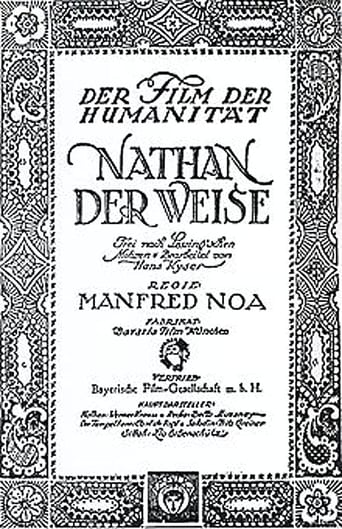
German actor who worked during the silent film era of the early 1920s. His known filmography consists primarily of his appearance in the 1922 silent film adaptation 'Nathan der Weise,' directed by Manfred Noa. This film was based on the famous play by Gotthold Ephraim Lessing, which deals with themes of religious tolerance and humanism during the time of the Crusades. Schrumpf's career appears to have been brief, with 1922 being the only documented year of his film activity. Like many actors of the German silent era, he was likely part of the vibrant but challenging film industry that flourished in Weimar Germany before the advent of sound cinema. Unfortunately, detailed records about his life, career trajectory, and other potential film work remain scarce, making him one of the many lesser-known contributors to early German cinema.
The Craft
Milestones
- Appeared in 'Nathan der Weise' (1922)
Best Known For
Must-See Films
Working Relationships
Worked Often With
Why They Matter
Impact on Culture
Ernst Schrumpf's contribution to cinema, while limited in scope, represents the collective effort of countless actors who participated in the golden age of German silent film. His appearance in 'Nathan der Weise' (1922) connects him to an important cultural moment in German cinema, when literary adaptations were popular and the industry was producing works of artistic significance. The film itself was part of the movement to bring classic German literature to the screen, contributing to the cultural prestige of cinema as an art form. While his individual impact may be difficult to trace, actors like Schrumpf formed the essential foundation that allowed star actors and directors to create their memorable works.
Lasting Legacy
Ernst Schrumpf's legacy is primarily preserved through his participation in 'Nathan der Weise' (1922), a film that represents an important example of German silent cinema's literary adaptations. As one of the many actors who contributed to early German film but whose careers were brief or undocumented, he exemplifies the transient nature of early cinema careers. His work, though not extensively recorded, is part of the broader tapestry of Weimar-era film production that influenced cinema worldwide. The preservation of 'Nathan der Weise' ensures that his contribution, however small, remains accessible to film historians and enthusiasts studying this pivotal period in film history.
Who They Inspired
Given the limited documentation of Ernst Schrumpf's career and the brief period of his known activity, his direct influence on other actors or filmmakers cannot be definitively established. However, as a participant in German silent cinema during its creative peak, he was part of an industry that would influence international film development. The techniques and styles being developed in German cinema during the early 1920s, including the expressionist movement, would have an impact on filmmakers globally, and actors like Schrumpf contributed to this artistic environment even if their individual influence cannot be traced.
Off Screen
Very little is known about Ernst Schrumpf's personal life, as was common for many supporting actors in early German cinema who did not achieve widespread fame. Like many actors of his era, personal details were not extensively documented unless the actor achieved significant stardom.
Did You Know?
- Appeared in only one known film, 'Nathan der Weise' (1922)
- Worked during the height of German silent cinema's golden age
- Participated in a film adaptation of one of Germany's most important literary works
- His entire known active years covered just one year, 1922
- Like many supporting actors of the era, he was likely not credited prominently in marketing materials
- The film he appeared in was directed by Manfred Noa, who would later die tragically young in 1930
- 'Nathan der Weise' was part of a trend of literary adaptations in German cinema of the 1920s
Frequently Asked Questions
Who was Ernst Schrumpf?
German with credits in this catalog.' His career appears to have been brief, with activity documented only in 1922.
What films is Ernst Schrumpf best known for?
Titles linked here include Nathan der Weise (1922).
When was Ernst Schrumpf born and when did he die?
Unfortunately, specific birth and death dates for Ernst Schrumpf are not available in historical records, which was common for many supporting actors of the German silent era who did not achieve widespread fame.
What awards did Ernst Schrumpf win?
There are no documented awards or nominations for Ernst Schrumpf, which was typical for many supporting actors in early German cinema who worked in relative obscurity.
What was Ernst Schrumpf's acting style?
Specific details about Ernst Schrumpf's acting style are not documented, but as a German silent film actor, he likely employed the exaggerated gestures and expressive techniques characteristic of the era.
Why is so little known about Ernst Schrumpf?
Limited documentation of Ernst Schrumpf's life and career reflects the reality for many supporting actors in early cinema. Records were often not preserved for those who didn't achieve stardom, and many careers were brief before the transition to sound cinema.