Films
1 film
About Victor André
This archive lists one role for Victor André: A Trip to the Moon (1902). Best known for his role in Georges Méliès' 1902 film 'A Trip to the Moon' (Le Voyage dans la Lune). His brief film career appears to have been concentrated entirely in 1902, during which he participated in films of early cinema. As an actor working with Méliès, André was part of the theatrical tradition that influenced early French filmmaking, where performers often came from stage backgrounds and brought exaggerated, gestural acting styles suited to the silent medium. His participation in 'A Trip to the Moon' placed him at the forefront of cinematic innovation, as the film featured revolutionary special effects and storytelling techniques that would influence generations of filmmakers. While little is documented about his broader career or life, his contribution to this work ensures his place in cinema history as one of the earliest film actors.
The Craft
On Screen
Like most actors of the early 1900s, Victor André likely employed theatrical, exaggerated gestures and expressions common to stage acting of the period, which was necessary to convey emotion and narrative in silent films without the benefit of close-ups or subtle facial expressions that would later become possible with camera advancements.
Milestones
- Appeared in Georges Méliès' 'A Trip to the Moon' (1902)
- Participated in
Best Known For
Iconic Roles
Must-See Films
Working Relationships
Worked Often With
Studios
Why They Matter
Impact on Culture
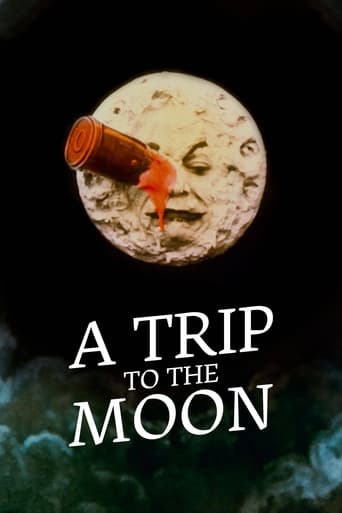
Victor André's contribution to cinema history, though brief, is significant through his participation in 'A Trip to the Moon,'. The film itself revolutionized cinematic storytelling with its innovative special effects, including the iconic image of the rocket hitting the moon's eye, which has become. As part of this groundbreaking production, André contributed to the development of the science fiction genre and demonstrated the potential of cinema as a medium for fantastical storytelling, influencing countless filmmakers from D.W. Griffith to contemporary directors like Martin Scorsese and George Lucas.
Lasting Legacy
Victor André's legacy is inextricably linked to 'A Trip to the Moon,' which remains. While his individual contribution may have been small, his participation places him among the pioneers of film acting during the medium's crucial developmental years. The film's preservation and continued study ensure that André's work, along with that of his fellow cast members, remains accessible to new generations of film enthusiasts and scholars interested in the origins of cinematic art.
Who They Inspired
As an early film actor, Victor André was part of the foundational generation that established acting conventions for the silent era. The theatrical style employed by him and his contemporaries in Méliès' films would evolve as cinema developed its own distinct acting techniques, moving away from stage traditions toward more naturalistic performances suited to the camera's intimate perspective.
Off Screen
Very little is documented about Victor André's personal life, which was common for many early film actors whose contributions were not extensively recorded during cinema's formative years. The lack of biographical information reflects the transient nature of early cinema work, where many performers were theatrical professionals who briefly participated in this new medium before returning to stage careers or other pursuits.
Did You Know?
- 'A Trip to the Moon' was only 14 minutes long but took months to film due to the complex special effects
- The film was both a critical and commercial success, earning Méliès substantial profits
- Victor André was one of approximately 30 actors who appeared in the film
- The iconic moon sequence was achieved through multiple exposure techniques and elaborate stage machinery
- Many copies of the film were hand-colored frame by frame, a painstaking process that added to its visual impact
- The film was pirated extensively in the United States, including by Edison Studios, which damaged Méliès financially
- The film was considered lost for decades until a damaged copy was discovered in 1993 and restored
- The film's influence extends to modern works, including the music video for The Smashing Pumpkins' 'Tonight, Tonight'
- Georges Méliès himself played the role of the Professor/Astronomer in the film
Frequently Asked Questions
Who was Victor André?
French with credits in this catalog.' His film career appears to have been brief, concentrated entirely in 1902 during the days of cinema.
What films is Victor André best known for?
Titles linked here include A Trip to the Moon (1902).
When was Victor André born and when did he die?
Unfortunately, detailed biographical information about Victor André, including his birth and death dates, has not been preserved in historical records, which was common for many early film actors of this period.
What awards did Victor André win?
Victor André did not receive any formal awards or recognition during his lifetime, as the film industry had not yet established award systems during the early 1900s when he was active.
What was Victor André's acting style?
Victor André likely employed the theatrical, exaggerated acting style common to early cinema, where performers used broad gestures and expressions to convey emotion and narrative in silent films, drawing from stage acting traditions of the period.