Kurt Gerron
Actor
Born: May 11, 1897 in Berlin, Germany Died: October 28, 1944 Active: 1920-1944 Birth Name: Kurt Gerson
Films
1 film
About Kurt Gerron
Kurt Gerron, born Kurt Gerson on May 11, 1897, in Berlin, Germany, was a prominent German-Jewish actor and director during the Weimar Republic era. He initially studied medicine before being drafted into World War I, where he suffered serious injuries that led him to abandon his medical career for the performing arts. After the war, Gerron joined Max Reinhardt's prestigious theater ensemble and quickly established himself as a versatile character actor in Berlin's vibrant theatrical scene. He transitioned to film in the late 1920s, appearing in numerous German productions including 'Accident' (1928) and achieving international recognition for his role as the magician in 'The Blue Angel' (1930) alongside Marlene Dietrich and Emil Jannings. As the Nazis rose to power in 1933, Gerron, being Jewish, was forced to flee Germany, eventually settling in the Netherlands where he continued working in theater and film. In 1944, he was deported to Theresienstadt concentration camp where he was coerced into directing the Nazi propaganda film 'Theresienstadt: A Documentary Film of the Jewish Resettlement' before being transferred to Auschwitz, where he was murdered upon arrival on October 28, 1944.
The Craft
On Screen
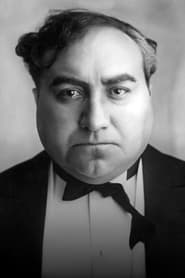
Known for his remarkable versatility, Gerron could seamlessly transition between comedic and dramatic roles with equal effectiveness. His distinctive physical presence and expressive face made him particularly memorable in character roles, while his extensive theater background provided him with a commanding stage presence that translated powerfully to the screen. Gerron had a natural ability to dominate scenes even when not the central character, using subtle facial expressions and body language to convey complex emotions.
Milestones
- Transitioned from medicine to theater after WWI injury
- Joined Max Reinhardt's prestigious theater ensemble
- Breakthrough role in 'The Blue Angel' (1930)
- Established successful directing career in German cinema
- Forced to direct Nazi propaganda film 'Theresienstadt' before his death
Best Known For
Iconic Roles
Must-See Films
Accolades
Special Recognition
- Posthumous recognition in Holocaust memorial projects
- Documentaries made about his life including 'Prisoner of Paradise' (2000)
Working Relationships
Worked Often With
Studios
Why They Matter
Impact on Culture
Kurt Gerron's life and tragic death symbolize the devastating impact of the Holocaust on European artistic and cultural life. His story represents the countless talented Jewish artists whose careers were abruptly ended and whose potential contributions to cinema were lost to history. The moral complexities of his forced participation in Nazi propaganda have been extensively studied by historians examining the relationship between art, politics, and persecution under totalitarian regimes.
Lasting Legacy
Gerron's legacy endures through his film performances, particularly his memorable role in 'The Blue Angel,' which remains a classic of German cinema. His tragic story has been documented in numerous films and books about artists persecuted by the Nazis, ensuring that his contributions to early cinema are not forgotten. The circumstances surrounding his death and the propaganda film he was forced to create continue to be studied by historians and ethicists examining the moral dilemmas faced by victims of persecution.
Who They Inspired
While Gerron's direct influence on subsequent generations of filmmakers was limited by his premature death, his work in German musical comedies helped establish conventions in the genre that would influence later European cinema. His versatile acting style served as an example for character actors in German film, demonstrating the importance of technical skill combined with emotional depth in performance.
Off Screen
Gerron was married twice, first to an unnamed wife who died in 1928, and then to Miriam 'Miep' Sluizer, a Dutch Jewish woman, in 1938. The couple had one son together. His personal life was profoundly affected by the rise of Nazism, which forced him to abandon his successful career in Germany and ultimately led to his death in the Holocaust. Despite opportunities to escape to Hollywood, Gerron chose to remain in Europe, hoping to wait out the Nazi regime.
Education
Studied medicine at the University of Berlin before World War I
Family
- First wife (deceased 1928)
- Miriam 'Miep' Sluizer (married 1938 until his death in 1944)
Did You Know?
- Originally studied medicine before turning to acting after being seriously injured in World War I
- Changed his surname from Gerson to Gerron for his acting career
- Was a popular cabaret performer in Berlin during the 1920s
- Fled Germany immediately after the Nazis came to power in 1933
- Initially sought refuge in France before settling in the Netherlands
- Was offered the opportunity to escape to Hollywood but declined, hoping to wait out the Nazi regime in Europe
- The propaganda film he was forced to make was intended to deceive the International Red Cross about conditions in Theresienstadt
- His story was told in the 2000 documentary 'Prisoner of Paradise' which was nominated for an Academy Award
- His son survived the Holocaust and later worked to preserve his father's memory
- Before his deportation, Gerron was
In Their Own Words
I am a German artist. I cannot imagine living anywhere else.
If I must make this film, I will make it the best I can, even if it kills me.
Frequently Asked Questions
Who was Kurt Gerron?
German-Jewish actor and on YTB.my. He appeared in numerous films including the classic 'The Blue Angel' (1930) and was known for his versatile performances in both comedies and dramas before being persecuted by the Nazis.
What films is Kurt Gerron best known for?
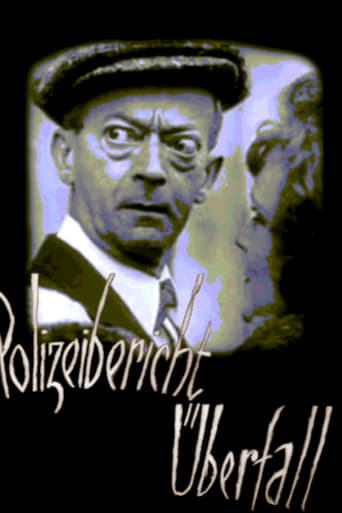
Titles linked here include The Blue Angel (1930), Accident (1928).
When was Kurt Gerron born and when did he die?
Born May 11, 1897; died October 28, 1944.
What awards did Kurt Gerron win?
During his lifetime, Kurt Gerron did not receive major formal film awards, as many of today's prominent film awards were not established during his most active period. However, his life story was documented in 'Prisoner of Paradise' (2000), which was nominated for an Academy Award for Best Documentary Feature.
What was Kurt Gerron's acting style?
Gerron was known for his versatility as an actor, capable of portraying both comedic and dramatic characters with equal skill. He had a distinctive physical presence and expressive face that made him particularly effective in character roles, and his theater background gave him a commanding presence that translated well to the screen.
How did Kurt Gerron die?
Kurt Gerron died in the Holocaust. After being deported to Theresienstadt concentration camp where he was forced to direct Nazi propaganda, he was transferred to Auschwitz in October 1944 and was murdered upon arrival on October 28, 1944.