Max Ruhbeck
Actor
- Active
- 1916-1916
Films 1
About Max Ruhbeck
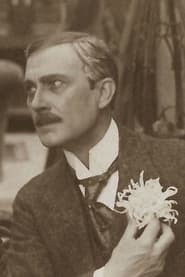
Max Ruhbeck was a German stage and screen actor whose surviving film record places him in the silent era, with at least one documented screen appearance in the 1916 production of Tales of Hoffmann. Like many actors of his generation, he appears to have built his reputation primarily in the theater before moving into early cinema, when film companies often drew on established stage performers for prestige, diction, and composure before the camera. Available records about his life are extremely limited, and he does not appear to have left behind a substantial internationally documented screen career, suggesting that his cinematic work may have been brief, local, or only partially preserved in modern filmographies. Because of the scarcity of surviving biographical data, many details about his birth, family, training, and later life remain unconfirmed in accessible reference sources. He is nevertheless part of the broader class of early 20th-century performers who helped bridge the traditions of the German stage and silent film acting. His name survives chiefly through film databases and cast listings associated with early literary adaptations such as Tales of Hoffmann. In that sense, Ruhbeck represents the many working actors of the silent period whose contributions are recognized through credits even when fuller personal histories have been lost to time.
More about Max Ruhbeck
On screen
No detailed contemporary descriptions of Max Ruhbeck's acting style are readily documented in surviving sources. Based on the conventions of German silent-era performance and the fact that he was likely a stage-trained actor, he probably relied on clear physical expressiveness, controlled gesture, and a dignified screen presence suited to literary and theatrical material. In silent cinema, performers of this type often emphasized facial nuance and composed body language over broad melodrama, especially in prestige productions adapted from literature or opera.
In film history
Max Ruhbeck's cultural impact is modest but historically meaningful as part of the vast body of performers who populated the silent cinema landscape. Actors like him helped establish the credibility of early film adaptations by bringing stage discipline and literary seriousness to productions rooted in European dramatic traditions. While he was not a star whose name entered popular memory, his presence in Tales of Hoffmann places him within the German silent film ecosystem that adapted established artistic works for the screen. These supporting and character performers were essential to the texture of early cinema, even when the historical record preserves only fragments of their careers.
Later reputation
Ruhbeck's legacy lies in archival survival rather than celebrity. He is remembered today primarily through cast documentation, which makes him a representative figure of silent-era performers whose work is still visible to historians even when personal biographies are incomplete. For film scholars and database researchers, his credit in Tales of Hoffmann helps reconstruct the personnel of early German film production and the broader network of stage actors who entered cinema in the 1910s. His name endures as part of the historical record of early European screen acting.
Influence
There is no documented evidence that Max Ruhbeck directly influenced later generations of actors in a traceable, named way. However, as a stage-to-screen performer in the silent era, he participated in a performance tradition that influenced the acting grammar of early European film, especially in literary and theatrical adaptations. His work belongs to the foundation upon which later German screen acting styles and period-appropriate performance practices were built.
Off screen
No reliable public information has been located regarding Max Ruhbeck's personal life, including marriages, children, residence, or later years. Unlike major stars of the silent era, he does not appear in widely circulated biographical references with detailed family or social histories. His documented legacy is therefore largely professional rather than personal, preserved through a sparse film credit rather than extensive archival material.
Education
No confirmed educational record is readily available in surviving public references. He was likely trained through stage experience or theatrical instruction, but this cannot be stated with certainty.
Credits
- Screen credit in the silent film Tales of Hoffmann (1916)
- Participation in an early literary adaptation drawn from the Hoffmann tradition
- Representation of stage-trained performers working in German silent cinema
Roles
- Cast member in Tales of Hoffmann (1916)
Films
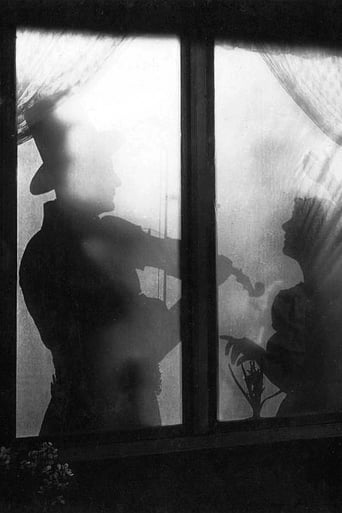
- Tales of Hoffmann (1916)
Notes
- Max Ruhbeck is chiefly documented today through a single surviving film credit rather than a broad biography.
- His known screen appearance is associated with Tales of Hoffmann, a title connected to the rich Germanic literary and theatrical tradition surrounding E. T. A. Hoffmann.
- Because his active period is only documented as 1916, he may have had either a very short screen career or a career that is under-recorded in modern databases.
- He appears to have been one of many stage-connected performers recruited for early silent films in Germany.
- There is no widely available evidence of awards, major studio contracts, or celebrity publicity surrounding his career.
- Ruhbeck's name survives mainly in historical cast lists, making him a useful figure for research into lesser-known silent-era actors.
Questions
Who was Max Ruhbeck?
Max Ruhbeck was a German actor from the silent-film era, known today primarily for his credited appearance in Tales of Hoffmann (1916). He appears to have been a stage-trained performer whose screen work is only sparsely documented in surviving film records.
What films is Max Ruhbeck best known for?
He is best known for Tales of Hoffmann (1916), which is the principal film title associated with his name in modern databases. No other widely verified film credits are readily confirmed from accessible sources.
When was Max Ruhbeck born and when did he die?
His birth and death dates are not reliably documented in the readily available public record. As a result, both details remain uncertain for current database purposes.
What awards did Max Ruhbeck win?
No awards or formal honors are currently documented for Max Ruhbeck in the surviving sources consulted. This is common for many early silent-era performers whose careers were not covered by the modern awards system.
What was Max Ruhbeck's acting style?
No firsthand critical description of his style is readily available, but as a likely stage-trained silent-era actor, he probably used expressive facial work, disciplined gestures, and a composed dramatic presence. Those qualities were especially important in literary and theatrical film adaptations.
What is Max Ruhbeck's legacy in film history?
His legacy is primarily archival: he is one of the many early actors whose names survive through cast records even when biographical details have been lost. That makes him valuable to historians reconstructing the personnel and performance culture of German silent cinema.