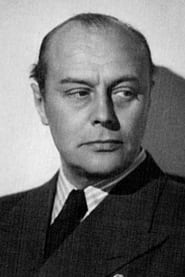
Harald Paulsen
Actor
Born: August 26, 1895 in Wittingen, German Empire Died: August 4, 1954 Active: 1920-1954 Birth Name: Harald Paul Mühlenstedt
Films
1 film
About Harald Paulsen
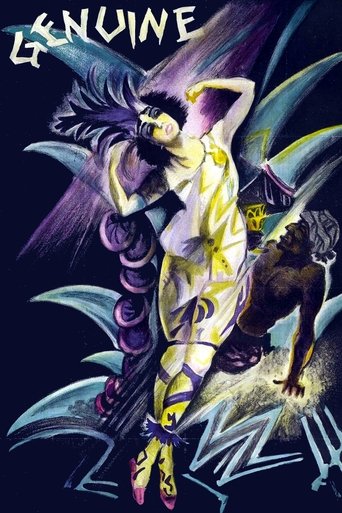
Harald Paulsen (born Harald Paul Mühlenstedt) worked in German theatre and film from the silent era through the early 1950s. He debuted on screen in Robert Wiene's Genuine: The Tragedy of a Vampire (1920) after World War I service, then appeared in more than 130 German silents and talkies — including The Blue Angel (1930) and M (1931) — before his final roles in the early 1950s.
The Craft
On Screen
Paulsen was known for his versatility as a character actor, capable of playing both dramatic and comedic roles with equal skill. His stage background provided him with strong classical training, which he adapted effectively for the camera. In silent films, he utilized expressive physical techniques typical of German expressionist cinema, while in sound films, his clear diction and naturalistic delivery made him well-suited for the new medium. He often played supporting roles but occasionally took leading parts, particularly in the 1920s and early 1930s.
Milestones
- Film debut in 'Genuine: The Tragedy of a Vampire' (1920)
- Appeared in over 130 films during his career
- Successful transition from silent to sound films
- Performed in both stage and film productions throughout career
- Worked during Weimar Republic, Nazi era, and postwar periods
Best Known For
Iconic Roles
Must-See Films
Accolades
Special Recognition
- Recognized as a prolific character actor in German cinema history
Working Relationships
Worked Often With
Studios
Why They Matter
Impact on Culture
Harald Paulsen contributed significantly to German cinema during three distinct political periods: the Weimar Republic, Nazi Germany, and the early Federal Republic. His work in expressionist films like 'Genuine' helped establish the visual and thematic language of German horror cinema. His ability to maintain a steady career through regime changes demonstrated the adaptability required of artists in 20th century Germany. As a character actor, he provided continuity and reliability in German film productions, often serving as a familiar presence for audiences during times of political and social upheaval.
Lasting Legacy
Paulsen's legacy lies in his contributions to the golden age of German cinema, particularly his role in early expressionist films that influenced horror and psychological thrillers worldwide. His extensive filmography provides valuable documentation of German cinematic production across three decades. While not as internationally famous as some of his contemporaries, his work represents the backbone of German cinema's character acting tradition. His career serves as an example of the professional journey of a working actor during one of Germany's most turbulent historical periods.
Who They Inspired
Paulsen influenced subsequent generations of German character actors through his demonstrated versatility and longevity in the industry. His work in expressionist cinema contributed to the development of visual storytelling techniques that would later influence film noir and psychological thrillers. His successful transition from silent to sound films provided a model for other actors facing similar technological changes in the industry.
Off Screen
Harald Paulsen was married multiple times, including to actress Carola Höhn from 1935 to 1941. He served in World War I and was wounded in combat, which influenced his decision to pursue acting as a career. His personal life was relatively private compared to his public career, though he was known within German theatrical and film circles as a dedicated professional. He spent his final years in Hamburg, where he passed away in 1954.
Education
Theatrical training after World War I, though specific institutions not widely documented
Family
- Carola Höhn (1935-1941)
- Other marriages (dates not widely documented)
Did You Know?
- Born as Harald Paul Mühlenstedt but used Paulsen as his stage name
- Made his film debut in Robert Wiene's 'Genuine' (1920), the director's follow-up to 'The Cabinet of Dr. Caligari'
- Appeared in over 130 films during his 34-year career
- Served in World War I and was wounded before pursuing acting
- Successfully transitioned from silent films to talkies
- Worked continuously through three different German political systems
- Was married to actress Carola Höhn for six years
- His final film appearances were in the early 1950s
- Died just 22 days before his 59th birthday
- Often played supporting roles but occasionally took leading parts
In Their Own Words
Quotes from Harald Paulsen are not widely documented in historical records
His primary legacy is through his film performances rather than recorded statements
Frequently Asked Questions
Who was Harald Paulsen?
Screen credits include over 130 films between 1920 and 1954. He was particularly known for his work in German expressionist cinema and his ability to adapt to changing political and technological circumstances in the German film industry.
What films is Harald Paulsen best known for?
Titles linked here include Genuine: The Tragedy of a Vampire (1920), The Hunchback of Notre Dame (1923).
When was Harald Paulsen born and when did he die?
Born August 26, 1895; died August 4, 1954.
What awards did Harald Paulsen win?
While Harald Paulsen did not receive major international awards, he was recognized as a prolific and reliable character actor in German cinema. His extensive filmography and longevity in the industry serve as his primary accolades.
What was Harald Paulsen's acting style?
Paulsen was known for his versatility as a character actor, employing expressionist techniques in silent films and naturalistic delivery in talkies. His stage background provided him with classical training that he adapted effectively for camera work across different genres and eras.