
Käthe Haack
Actor
Born: August 11, 1897 in Berlin, Germany Died: May 5, 1986 Active: 1920-1984 Birth Name: Katharina Haack
Films
1 film
About Käthe Haack
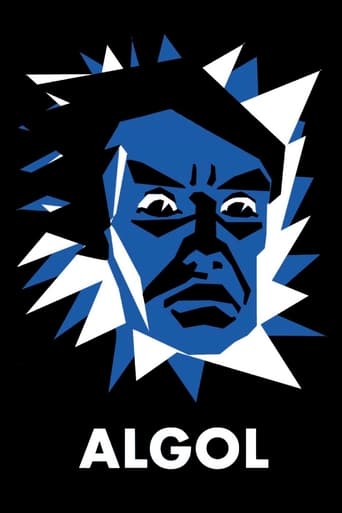
Käthe Haack, born Katharina Haack, was a prolific German actress whose remarkable over six decades, from the silent era through the golden age of German cinema and into television. She began her acting career on stage before transitioning to films in the early 1920s, making her debut in the expressionist masterpiece 'Algol: Tragedy of Power' (1920). Throughout the 1920s and 1930s, she established herself as one of Germany's most versatile character actresses, appearing in numerous productions including comedies, dramas, and propaganda films during the Nazi era. Her career continued successfully after World War II, where she seamlessly transitioned to both East and West German cinema, as well as television productions. Haack was particularly known for her ability to portray strong maternal figures, sophisticated society women, and comedic characters with equal skill. She remained active in the entertainment industry well into her 70s, appearing in her final film in 1974 and making television appearances until the early 1980s. Her longevity and adaptability made her a beloved figure in German entertainment, witnessing and participating in the dramatic evolution of German cinema throughout the 20th century.
The Craft
On Screen
Käthe Haack was known for her naturalistic and versatile acting style, which evolved with the changing times of German cinema. In silent films, she employed the exaggerated but controlled expression typical of the era, while in sound films she developed a more subtle and nuanced approach. Her performances were characterized by a strong emotional authenticity and the ability to embody diverse character types, from aristocratic ladies to working-class mothers. She had a particular talent for comedic timing while maintaining dramatic depth, making her equally effective in both genres. Her voice work in sound films was distinctive, with a clear, expressive diction that served her well in both dramatic and comedic roles.
Milestones
- Breakthrough role in 'Algol: Tragedy of Power' (1920)
- Prolific career in German silent cinema of the 1920s
- Successful transition to sound films in the early 1930s
- Appearances in over 100 films throughout her career
- Continued working in both East and West German cinema post-WWII
- Transition to television in the 1960s and 1970s
- Received the Filmband in Gold for her contributions to German cinema
Best Known For
Iconic Roles
Must-See Films
Accolades
Won
- Filmband in Gold (1973) for her long-standing and outstanding contributions to German cinema
- Bundesverdienstkreuz (Federal Cross of Merit) for her cultural contributions
Nominated
- German Film Award nominations for various supporting roles in the 1950s and 1960s
Special Recognition
- Honored at the Berlin International Film Festival for her lifetime achievements
- Recognized as one of Germany's most enduring character actresses
- Posthumous retrospectives of her work at German film festivals
Working Relationships
Worked Often With
Studios
Why They Matter
Impact on Culture
Käthe Haack's career serves as a living chronicle of German cinema's evolution through the 20th century. Her work in the expressionist film 'Algol' helped define the aesthetic of German silent cinema, while her subsequent sound film work demonstrated the successful adaptation of theatrical acting techniques to the new medium. During the Nazi era, her continued presence in German films represented the complex relationship between art and politics in totalitarian regimes. Post-war, her ability to work in both East and West German cinema made her a bridge between the divided German cultural landscapes. Her longevity and adaptability set a precedent for character actresses in German cinema, proving that supporting roles could sustain a career across decades.
Lasting Legacy
Käthe Haack's legacy endures through her extensive filmography, which documents the changing face of German society and cinema across six decades. She is remembered as one of Germany's most reliable and versatile character actresses, capable of bringing depth and authenticity to any role. Her work in over 100 films provides an invaluable record of German filmmaking from the silent era through the New German Cinema movement. The acting dynasty she created, continued by her daughter Hannelore Schroth, represents one of Germany's most significant theatrical families. Her ability to navigate the political and artistic challenges of different German regimes while maintaining her artistic integrity serves as an inspiration to performers working under difficult circumstances.
Who They Inspired
Käthe Haack influenced generations of German character actresses through her demonstration of how to maintain a long and varied career through changing times. Her naturalistic acting style in sound films helped move German cinema away from the theatricality of the silent era. Her success in both comedic and dramatic roles showed the value of versatility for character actors. Her work in post-war German cinema helped establish the template for the modern German character actress. Many contemporary German actresses cite her as an inspiration for her professionalism and ability to bring depth to supporting roles.
Off Screen
Käthe Haack was married to actor Heinrich Schroth, with whom she had a daughter, Hannelore Schroth, who also became a famous actress. The marriage ended in divorce. She later married actor and director Hans Behrendt, who tragically died in a concentration camp in 1942. Despite these personal tragedies, Haack maintained her professional career throughout the political upheavals of 20th century Germany. She was known for her resilience and professionalism, continuing to work through the Weimar Republic, Nazi era, and post-war periods. Her family became a true acting dynasty, with both her daughter Hannelore and her grandson Kathrin Nagel (through Hannelore) pursuing acting careers.
Education
Trained at the Max Reinhardt acting school in Berlin, receiving formal theatrical education before transitioning to film work
Family
- Heinrich Schroth (1921-1938)
- Hans Behrendt (1939-1942, his death)
Did You Know?
- Her daughter Hannelore Schroth became one of Germany's most popular post-war actresses
- She appeared in the Nazi propaganda film 'Münchhausen' (1943),
- Credits cover 64 years in this catalog, from silent films to television
- She worked in both East and West German cinema after World War II
- Her second husband Hans Behrendt was a Jewish director who died in Auschwitz
- She received the prestigious Filmband in Gold award in 1973
- Despite being in over 100 films, she was primarily known as a character actress rather than a star
- She continued working into her 80s, making her one of Germany's oldest working actresses
- Her birth name was Katharina, but she professionally used the diminutive Käthe
- She survived the bombing of Berlin during WWII and continued her career afterward
In Their Own Words
Acting is not about becoming someone else, but about finding the part of yourself that connects to the character.
In every era, the truth of human emotion remains the same - only the circumstances change.
The camera doesn't lie, but it also doesn't tell the whole story. That's the actor's job.
Working through different political regimes taught me that art must survive politics, not serve it.
Frequently Asked Questions
Who was Käthe Haack?
German actress with a career spanning 64 years, from silent films in 1920 through television in the 1980s. She appeared in over 100 films and was known as one of Germany's most versatile character actresses, working through the Weimar Republic, Nazi era, and post-war periods.
What films is Käthe Haack best known for?
Titles linked here include Algol: Tragedy of Power (1920), Der Herrscher (1937).
When was Käthe Haack born and when did she die?
Born August 11, 1897; died May 5, 1986.
What awards did Käthe Haack win?
She received the Filmband in Gold in 1973 for her outstanding contributions to German cinema and was awarded the Bundesverdienstkreuz (Federal Cross of Merit) for her cultural contributions to Germany.
What was Käthe Haack's acting style?
Her acting style evolved from the expressive style of silent films to a more naturalistic approach in sound films. She was known for her versatility, emotional authenticity, and ability to portray diverse character types, from aristocratic women to working-class mothers, with equal skill in both dramatic and comedic roles.