Films
1 film
About Ângela Pinto
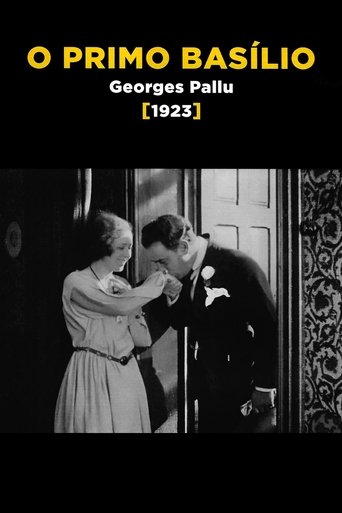
Ângela Pinto is credited on a single production — O Primo Basílio (1923). Her known film work consists of a single appearance in the 1923 Portuguese silent film 'O Primo Basílio,' which was an adaptation of the famous novel by Eça de Queirós. This film was one of the early examples of Portuguese cinema, which was still in its developmental stages during this period. Like many actors from this era of European cinema, particularly in smaller national film industries, detailed records of her life and career are scarce. Her participation in this literary adaptation suggests she may have had a theatrical background, as was common for early film actors. The film itself was significant as one of Portugal's early attempts at adapting classic literature to the cinematic medium. Unfortunately, due to the limited documentation of early Portuguese cinema and the ephemeral nature of many silent films from this period, much of Ângela Pinto's career and life details remain lost to history.
The Craft
Milestones
- Appeared in 'O Primo Basílio' (1923), one of early Portuguese cinema's notable literary adaptations
Best Known For
Iconic Roles
Must-See Films
Why They Matter
Impact on Culture
Ângela Pinto represents the early generation of Portuguese film actors who participated in the nascent stages of national cinema. Her appearance in 'O Primo Basílio' places her within the context of Portugal's early attempts to establish a film industry and adapt its rich literary heritage to the new medium of cinema. While her individual impact may have been limited due to the brevity of her known film career, she contributed to the foundation of Portuguese cinematic tradition during a crucial developmental period.
Lasting Legacy
Ângela Pinto's legacy is primarily preserved through her participation in the 1923 adaptation of 'O Primo Basílio,' a significant work in early Portuguese cinema. As one of the early actresses in Portuguese film, she represents the generation of performers who helped establish the country's cinematic presence. While many details of her career and life remain obscure, her contribution to this important early film adaptation ensures her place in the annals of Portuguese film history.
Who They Inspired
Due to the limited documentation of her career and the apparent brevity of her film work, there is little evidence of direct influence by Ângela Pinto on subsequent generations of Portuguese actors. However, as part of the early foundation of Portuguese cinema, she and her contemporaries paved the way for the development of the country's film industry and acting traditions.
Off Screen
Very little is known about Ângela Pinto's personal life, which is typical for many actors from the early silent era, particularly in smaller European film industries where documentation was limited and many records have been lost over time.
Did You Know?
- Appeared in the first film adaptation of Eça de Queirós's famous novel 'O Primo Basílio'
- Worked during the silent film era in Portugal
- Her film career appears to have been limited to 1923 based on available records
- Participated in
- Represents the early generation of Portuguese film actors during the industry's formative years
- Like many early film actors, especially in smaller European cinemas, much of her biographical information has been lost to time
Frequently Asked Questions
Who was Ângela Pinto?
Screen credits include the 1923 film 'O Primo Basílio,' one of early Portuguese cinema's notable literary adaptations. Her known film career was limited to this single appearance in 1923.
What films is Ângela Pinto best known for?
Titles linked here include O Primo Basílio (1923).
When was Ângela Pinto active in film?
Ângela Pinto was active in 1923, appearing in the silent film 'O Primo Basílio.' No other film appearances from other years have been documented.
What was significant about 'O Primo Basílio' (1923)?
'O Primo Basílio' (1923) was one of the earliest film adaptations of Eça de Queirós's famous Portuguese novel and represents an important milestone in early Portuguese cinema's efforts to adapt national literature to the new medium.
Why is so little known about Ângela Pinto?
Limited information about Ângela Pinto is typical for many actors from early European cinema, especially from smaller film industries like Portugal where documentation was scarce and many records have been lost over time. The ephemeral nature of silent films and the lack of comprehensive film archives from this period contribute to the scarcity of biographical details.