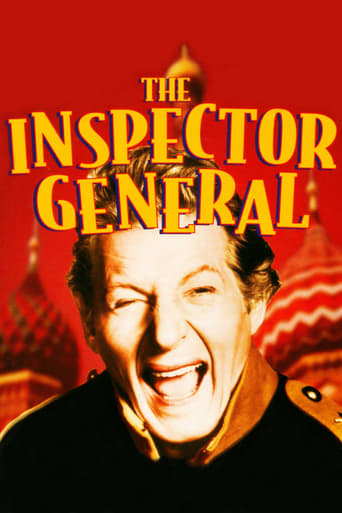
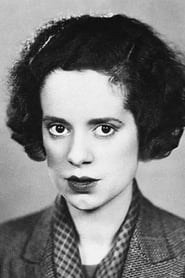
Elsa Lanchester
Actor
Born: October 28, 1902 in Lewisham, London, England Died: December 26, 1986 Active: 1925-1982 Birth Name: Elsa Sullivan Lanchester
Films
1 film
About Elsa Lanchester
Elsa Lanchester — British-born actress and singer who moved from avant-garde London theater to Hollywood stardom. She married Charles Laughton in 1929 and is best remembered as the Bride in James Whale's Frankenstein (1935). Her career ranged from experimental dance to Oscar-nominated roles in Come to the Stable (1949) and Witness for the Prosecution (1957).
The Craft
On Screen
Elsa Lanchester was known for her eccentric, quirky performances characterized by her distinctive high-pitched voice, expressive eyes, and unique physical presence. She specialized in playing eccentric, often memorable supporting characters with a flair for both comedy and drama. Her acting style combined theatrical precision with naturalistic spontaneity, allowing her to create unforgettable characters in even small roles. Lanchester had a remarkable ability to switch between menacing and comedic tones, making her particularly effective in horror films and dark comedies.
Milestones
- Starred as the Bride in 'Bride of Frankenstein' (1935)
- Academy Award nomination for 'Witness for the Prosecution' (1957)
- Long-running stage career with husband Charles Laughton
- Published autobiography 'Elsa Lanchester, Herself' (1983)
- Over 100 film appearances spanning six decades
- Successful transition from silent films to talkies
- Iconic horror film performances in the 1930s
- Prolific television work in the 1960s-1970s
Best Known For
Iconic Roles
Must-See Films
Accolades
Won
- Golden Globe for Best Supporting Actress - 'Witness for the Prosecution' (1958)
Nominated
- Academy Award for Best Supporting Actress - 'Witness for the Prosecution' (1958)
- Golden Globe for Best Supporting Actress - 'Bell, Book and Candle' (1959)
Special Recognition
- Hollywood Walk of Fame star (located at 6528 Hollywood Blvd)
- Golden Boot Award (1984)
Working Relationships
Worked Often With
Studios
Why They Matter
Impact on Culture
Elsa Lanchester's impact on cinema extends far beyond her memorable performances, as she helped define the archetype of the eccentric character actress in Hollywood. Her portrayal of the Bride in 'Bride of Frankenstein' created. Lanchester broke barriers for women in film by demonstrating that character actresses could achieve lasting fame and critical recognition. Her success in both British and American cinema helped bridge the two film industries during Hollywood's Golden Age. The distinctive visual style of her Bride character, with the lightning-streaked hair and bandaged appearance, became a permanent part of horror iconography.
Lasting Legacy
Elsa Lanchester's legacy endures through her unforgettable film performances and her influence on subsequent generations of character actors. She proved that supporting roles could be as memorable and significant as leading parts, paving the way for future character actresses to receive critical acclaim and awards recognition. Her work in horror films established a template for female monsters that balanced terror with sympathy. Lanchester's autobiography provided invaluable insights into Hollywood's Golden Age and her marriage to Charles Laughton. Her ability to transition successfully from silent films through the studio system and into television demonstrated remarkable adaptability. Today, she is celebrated as a figure who brought intelligence, wit, and originality to every role she undertook.
Who They Inspired
Lanchester influenced countless actors with her unique approach to character development and her ability to make even small roles memorable. Her success in horror films influenced actresses like Kathy Bates and Glenn Close who brought depth to villainous or monstrous characters. Her comedic timing and eccentric style inspired character actors such as Cloris Leachman and Betty White. The way she balanced theatricality with naturalism influenced method actors who studied at the Actors Studio. Her longevity in the business showed future generations that character actors could have sustained, successful careers well into their later years. Her work demonstrated that distinctive physical appearance and unique voices could be assets rather than limitations in Hollywood.
Off Screen
Elsa Lanchester led a fascinating personal life marked by her unconventional upbringing and marriage to Charles Laughton. Raised by unconventional parents who were socialists and atheists, she was homeschooled and exposed to avant-garde ideas from an early age. Her marriage to Laughton in 1929 was one of Hollywood's most enduring partnerships, lasting 33 years until his death in 1962. Despite rumors about Laughton's homosexuality, their relationship was deeply supportive both personally and professionally. Lanchester never had children but was devoted to her career and various charitable causes. In her later years, she became a beloved television personality and published her revealing autobiography 'Elsa Lanchester, Herself' in 1983.
Education
Educated at home by her parents; studied dance under Irene Castle and Isadora Duncan's company; attended Goldsmiths' College of Art briefly
Family
- Charles Laughton (1929-1962)
Did You Know?
- Was a member of Isadora Duncan's dance company in her teens
- Her parents were committed socialists who named her after a character in a play
- Ran a theater called 'The Little Theatre' with Charles Laughton
- Was colorblind, which affected her fashion choices
- Published two books: her autobiography and a cookbook
- Was a skilled painter whose works were exhibited in galleries
- Had a fear of flying that limited her international travel
- Was a vegetarian long before it became fashionable
- Her distinctive high-pitched voice was natural, not affected
- Appeared in over 100 films but was often without on-screen billing in early roles
- Was a close friend of horror film legend Boris Karloff
- Her performance as the Bride took only 12 minutes of screen time
In Their Own Words
I was never a star. I was a character actress. I could play any kind of woman, old or young, rich or poor, beautiful or ugly.
Charles and I had a perfect marriage. We were two individuals who respected each other's work and gave each other complete freedom.
The Bride has become a sort of cult figure. I get letters from girls who want to look like her.
I never wanted to be a leading lady. I wanted to be an actress, and there's a difference.
Horror films are the modern fairy tales, and I was happy to be part of that tradition.
Frequently Asked Questions
Who was Elsa Lanchester?
British-American actress best known for her eccentric character roles and iconic performance as the Bride in 'Bride of Frankenstein.' She had a career spanning six decades, appeared in over 100 films, and was nominated for an Academy Award for 'Witness for the Prosecution.'
What films is Elsa Lanchester best known for?
Titles linked here include Bride of Frankenstein (1935), Witness for the Prosecution (1957).
When was Elsa Lanchester born and when did she die?
Born October 28, 1902; died December 26, 1986.
What awards did Elsa Lanchester win?
Lanchester won a Golden Globe Award for Best Supporting Actress for 'Witness for the Prosecution' (1958) and was nominated for an Academy Award in the same category. She also received a star on the Hollywood Walk of Fame and the Golden Boot Award for her contributions to Western films.
What was Elsa Lanchester's acting style?
Lanchester was known for her eccentric, quirky performances characterized by her distinctive high-pitched voice and expressive physical presence. She specialized in playing memorable supporting characters with a unique blend of theatrical precision and naturalistic spontaneity, excelling in both comedy and drama.
Was Elsa Lanchester married to Charles Laughton?
Yes, Elsa Lanchester was married to actor Charles Laughton from 1929 until his death in 1962. Their 33-year marriage was one of Hollywood's most enduring partnerships, both personally and professionally, though Lanchester later revealed it was a 'lavender marriage' due to Laughton's homosexuality.
How did Elsa Lanchester create the Bride's iconic look?
The Bride's distinctive appearance with lightning-streaked white hair, bandaged body, and animalistic movements was created by Universal's makeup artist Jack Pierce. Lanchester contributed to the character's bird-like head movements and hissing sounds, which helped make the performance so memorable despite having only 12 minutes of screen time.