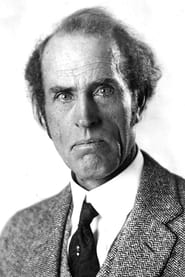
Nelson McDowell
Actor
Born: August 14, 1870 in Salem, Missouri, USA Died: November 3, 1947 Active: 1918-1940
Films
2 films
About Nelson McDowell
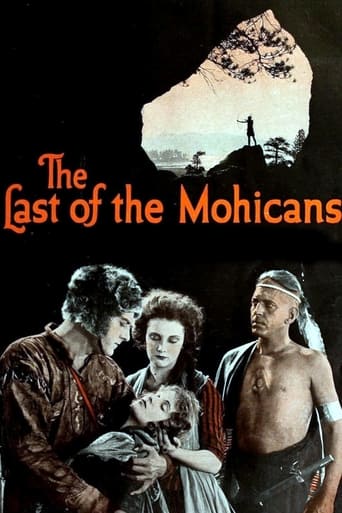
Prolific American character actor: the silent era through the early days of sound cinema. Born in Missouri in 1870, McDowell entered films relatively late in life, making his debut in the late 1910s after establishing himself in stage productions. He quickly became a familiar face in Hollywood, appearing in over 200 films between 1918 and 1940, often cast as authority figures, villains, or stern patriarchs due to his imposing presence and distinctive facial features. His performance in the 1920 adaptation of 'The Last of the Mohicans' stands as one of his most memorable silent film roles, where he portrayed the treacherous Magua with menacing intensity. As the industry transitioned to sound, McDowell successfully adapted his acting style, continuing to secure steady work in both leading and supporting roles throughout the 1930s. He worked with numerous prominent directors of the era, including Clarence Brown and John Ford, though he rarely received top billing despite his consistent presence in major productions. McDowell's career exemplified the journeyman actor who, while never becoming a major star, became an invaluable supporting player whose face was recognizable to millions of moviegoers during Hollywood's golden age.
The Craft
On Screen
McDowell specialized in portraying stern, authoritative characters with a commanding screen presence. His acting technique combined theatrical training from his stage background with the more subtle demands of cinema, allowing him to convey menace or gravitas through minimal gestures and intense facial expressions. In silent films, he mastered the art of pantomime and exaggerated expression necessary for the medium, while adapting to more naturalistic delivery in sound pictures. His deep, resonant voice served him well in talkies, where he often played judges, military officers, or antagonists requiring vocal authority.
Milestones
- Film debut in silent era (1918)
- Breakthrough role in 'The Last of the Mohicans' (1920)
- Successful transition to talkies with 'The Big Kick' (1930)
- Appeared in over 200 films during career
- Worked with major directors including John Ford and Clarence Brown
Best Known For
Iconic Roles
Must-See Films
Working Relationships
Worked Often With
Studios
Why They Matter
Impact on Culture
Nelson McDowell contributed significantly to the fabric of early Hollywood cinema as one of the era's most reliable character actors. Though never a leading man, his consistent presence in hundreds of films helped establish the visual language of American cinema during its formative years. His portrayal of Native American characters, particularly Magua in 'The Last of the Mohicans', reflected both the period's casting practices and the evolving depiction of indigenous peoples in film. As a bridge between the silent and sound eras, McDowell's career exemplifies the adaptability required of actors during this transitional period in Hollywood history.
Lasting Legacy
Nelson McDowell's legacy endures through his extensive filmography, which serves as a valuable record of American cinema's development from the silent era through the golden age of Hollywood. While he may not be a household name today, film historians and classic cinema enthusiasts recognize him as an essential supporting player who brought depth and authenticity to countless productions. His ability to convincingly portray a wide range of characters, from villains to authority figures, demonstrated the importance of skilled character actors in creating believable cinematic worlds. McDowell's career represents the journeyman actor who, through dedication and versatility, becomes an indispensable part of Hollywood's storytelling machinery.
Who They Inspired
McDowell influenced subsequent generations of character actors through his demonstration of how supporting roles could be elevated through committed, nuanced performances. His successful transition from silent films to talkies provided a model for other actors facing the technological revolution in cinema. While he may not have directly mentored famous stars, his consistent work ethic and adaptability set an example for actors entering the industry during Hollywood's formative decades.
Off Screen
Nelson McDowell maintained a relatively private personal life despite his lengthy career in Hollywood. He married early in life and had children, though details about his family remain scarce in historical records. Unlike many of his contemporaries, McDowell avoided the Hollywood social scene and rarely gave interviews, preferring to focus on his craft. He lived modestly in the Los Angeles area throughout his film career, and after retiring from acting in the early 1940s, he lived quietly until his death in 1947 at the age of 77.
Education
Unknown formal education; likely received theatrical training through stage experience prior to film career
Family
- Unknown (marriage details not publicly documented)
Did You Know?
- Appeared in over 200 films during his 22-year career
- Did not begin his film career until age 48
- Often typecast as villains or authority figures due to his stern appearance
- Successfully transitioned from silent films to talkies, unlike many of his contemporaries
- Worked with director John Ford on multiple occasions
- His portrayal of Magua in 'The Last of the Mohicans' is considered one of the definitive silent film interpretations of the character
- Despite his extensive filmography, he rarely received screen credit in his early films
- Was a stage actor before entering films
- Appeared in both westerns and dramatic films, showcasing his versatility
- Retired from acting in the early 1940s as film roles became scarcer for older character actors
In Their Own Words
No documented famous quotes from Nelson McDowell; as a character actor, he rarely gave interviews or made public statements
Frequently Asked Questions
Who was Nelson McDowell?
Screen credits include over 200 films during the silent era and early sound period. He was known for his stern appearance and frequent casting as villains or authority figures, with his most famous role being Magua in the 1920 film 'The Last of the Mohicans'.
What films is Nelson McDowell best known for?
Titles linked here include The Last of the Mohicans (1920), The Big Kick (1930).
When was Nelson McDowell born and when did he die?
Born August 14, 1870; died November 3, 1947.
What awards did Nelson McDowell win?
Nelson McDowell did not receive any major awards or nominations during his career. Like many character actors of his era, his contributions were recognized through consistent employment rather than formal accolades.
What was Nelson McDowell's acting style?
McDowell specialized in portraying stern, authoritative characters with commanding presence. His style combined theatrical background with cinematic subtlety, allowing him to convey menace or gravitas through minimal gestures and intense expressions. He successfully adapted from the exaggerated style required in silent films to more naturalistic performances in talkies.