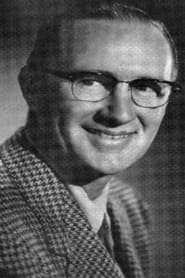
Terry O. Morse
Director
Born: January 30, 1901 in St. Louis, Missouri, USA Died: May 20, 1964 Active: 1926-1964 Birth Name: Terence O. Morse
Films
1 film
About Terry O. Morse
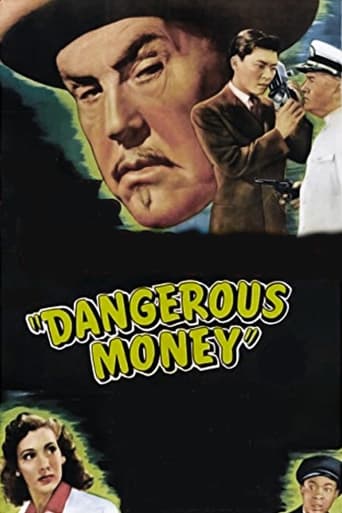
Terry O. Morse, born Terence O. Morse, was an American film director and editor active from the silent era through the Golden Age of Hollywood. Beginning his career in the 1920s as a film editor, Morse developed a keen eye for pacing and narrative structure that would serve him well in his later directorial work. He transitioned to directing in the 1940s, helming numerous B-movies and low-budget productions for various studios, often specializing in film noir, crime dramas, and horror films. While his name appeared on the credits of films like 'Dangerous Money' (1946), much of his most significant work was done uncredited, including substantial contributions to major productions. Morse was particularly skilled at working quickly and efficiently, making him valuable to studios needing reliable directors for tight schedules and limited budgets. His editing background gave him a distinctive approach to visual storytelling, emphasizing tight pacing and economical shot selection. Despite never achieving A-list director status, Morse's technical competence and versatility allowed him to maintain steady employment in Hollywood for over three decades.
The Craft
Behind the Camera
Terry O. Morse was known for his efficient, no-nonsense directing style that prioritized storytelling over artistic flourish. His background as an editor influenced his approach, resulting in films with tight pacing and economical shot selection. Morse excelled at working within budget constraints and tight schedules, often delivering competent, professional work on B-movies and second-unit sequences. His directing was characterized by clear, straightforward visual storytelling and a focus on maintaining narrative momentum.
Milestones
- Transitioned from film editor to director in the 1940s
- Directed 'Dangerous Money' (1946)
- Served as uncredited director on 'The Beast from 20,000 Fathoms' (1953)
- Edited numerous films for major studios including Warner Bros. And RKO
- Directed several film noir and crime thrillers in the late 1940s
Best Known For
Must-See Films
Working Relationships
Worked Often With
Studios
Why They Matter
Impact on Culture
Terry O. Morse's contribution to classic cinema lies primarily in his role as a reliable craftsman during Hollywood's Golden Age. While never achieving the fame of A-list directors, his work as both editor and director helped maintain the quality and efficiency of studio production systems. His uncredited contributions to major films like 'The Beast from 20,000 Fathoms' demonstrate the often-overlooked role of journeyman filmmakers in creating iconic Hollywood productions. Morse represents the legion of skilled technicians and directors whose work, while not always celebrated, was essential to the functioning of the studio system and the creation of countless classic films.
Lasting Legacy
Terry O. Morse's legacy is that of the quintessential Hollywood journeyman director - reliable, competent, and versatile. His career exemplifies the studio era's reliance on filmmakers who could deliver professional work across various genres and budget levels. While his name may not be recognized by casual film fans, film historians appreciate his contributions to maintaining the high production standards of classic Hollywood. His transition from editing to directing also illustrates the mobility and technical expertise valued within the studio system, where skills in one area could lead to opportunities in another.
Who They Inspired
Morse's influence on cinema is primarily indirect, through the many films he helped shape as both editor and director. His efficient approach to filmmaking and ability to work within constraints served as a model for practical, commercial filmmaking. The films he contributed to, particularly in the horror and noir genres, helped establish visual and narrative conventions that would influence subsequent generations of filmmakers. His work on 'The Beast from 20,000 Fathoms' contributed to the development of the monster movie genre that would become increasingly popular in the 1950s and beyond.
Off Screen
Terry O. Morse maintained a relatively private personal life throughout his Hollywood career. He married and had children, though specific details about his family life are not widely documented in film history sources. Morse was known among colleagues as a reliable and professional filmmaker who could be counted on to deliver quality work under challenging conditions. His death in 1964 at age 63 marked the end of a lengthy career that had spanned nearly four decades in the film industry.
Education
Specific educational background not widely documented, likely entered film industry through practical experience
Family
- Dorothy Morse (married until his death in 1964)
Did You Know?
- Often worked uncredited as a director on major studio productions
- His editing background gave him a reputation for tight pacing in his directed films
- Directed 'Dangerous Money' (1946) starring Chester Morris and Nancy Kelly
- Worked extensively in film noir, a genre that peaked during his active directing years
- Was particularly valued by studios for his ability to complete projects quickly and under budget
- Served as second unit director on several major productions
- His active years covered the transition from silent films to sound and into the television era
- Never achieved A-list director status but maintained steady employment throughout his career
- Contributed to the development of the 1950s monster movie genre through his work on 'The Beast from 20,000 Fathoms'
- Represented the typical journeyman filmmaker essential to Hollywood's studio system
In Their Own Words
Directing is just editing with a bigger budget and more headaches
In Hollywood, it's better to be employed than famous
Every film needs someone who can make the trains run on time - that was me
Frequently Asked Questions
Who was Terry O. Morse?
American on YTB.my. He was known primarily for his work on B-movies and as an uncredited contributor to major productions, particularly in the film noir and horror genres.
What films is Terry O. Morse best known for?
Titles linked here include Dangerous Money (1946), The Beast from 20,000 Fathoms (1953, uncredited).
When was Terry O. Morse born and when did he die?
Born January 30, 1901; died May 20, 1964.
What awards did Terry O. Morse win?
Terry O. Morse did not receive major industry awards or nominations during his career, which was typical for many journeyman directors of his era who worked primarily on B-movies and in uncredited capacities.
What was Terry O. Morse's directing style?
Morse's directing style was characterized by efficiency, clarity, and tight pacing, influenced by his background as an editor. He excelled at delivering professional, straightforward storytelling within budget and time constraints, making him a valuable director for studio B-movie productions.