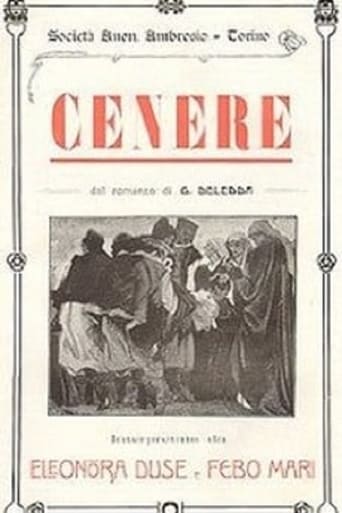
Films
1 film
About Ilda Sibiglia
Silent film actress who had a brief but notable career during the early years of American cinema. Her entire known filmography consists of a single appearance in the 1916 drama 'Ashes,' which was produced during a transformative period in film history when the industry was transitioning from short subjects to feature-length narratives. As an actress working during the silent era, Sibiglia would have relied heavily on facial expressions, body language, and pantomime techniques to convey emotion and story to audiences without the benefit of synchronized sound. The fact that she appeared in a feature film in 1916 suggests she was likely part of the emerging professional acting community that was developing as cinema evolved from a novelty into a respected art form. Unfortunately, like many performers from this period, detailed records of her life and career are scarce, and she appears to have left the film industry as quickly as she entered it. Her single known credit places her among the countless early film pioneers whose contributions to cinema history, while perhaps modest, were part of the foundation upon which the Golden Age of Hollywood would be built.
The Craft
On Screen
As a silent film actress, Ilda Sibiglia would have employed the exaggerated gestures and facial expressions characteristic of the era, using physical performance to convey emotion and narrative without dialogue. Silent era actors needed to master the art of pantomime and develop a strong screen presence that could communicate complex emotions through subtle movements and expressions.
Milestones
- Appeared in the 1916 silent drama film 'Ashes'
Best Known For
Must-See Films
Why They Matter
Impact on Culture
Ilda Sibiglia represents the countless anonymous performers who populated early American cinema during its formative years. While her individual contribution may seem minimal with only one known film credit, she was part of the generation of actors who helped establish the language of film performance. These early actors developed the techniques and conventions that would later be refined and built upon by subsequent generations of film performers. Her appearance in a 1916 feature film places her during a crucial period when cinema was transitioning from short novelty pieces to sophisticated storytelling, and every performer who contributed during this era played a role in shaping the future of the medium.
Lasting Legacy
Ilda Sibiglia's legacy is that of a typical early cinema performer - brief, obscure, yet representative of the thousands of actors who populated the films of the silent era. Like many of her contemporaries, her work exists primarily as a historical record of the early film industry's development. Her single known appearance in 'Ashes' (1916) shows the vast, largely undocumented community of performers who contributed to cinema's emergence as the dominant art form of the 20th century.
Who They Inspired
Given the brevity of her known career and the lack of extensive documentation about her work, Ilda Sibiglia's direct influence on subsequent performers cannot be definitively traced. However, as part of the early generation of film actors, she would have contributed to the development of screen acting techniques that would influence future performers, even if her individual impact cannot be specifically measured or documented.
Off Screen
Very little is known about Ilda Sibiglia's personal life, which was common for many supporting actors and actresses from the silent era who did not achieve major stardom. Her brief film career suggests she may have been one of many performers who tried their hand at the new medium of motion pictures during its early boom years before pursuing other interests or returning to stage work.
Did You Know?
- Ilda Sibiglia's entire known film career consists of just one film from 1916
- She appeared during the silent era when actors had to convey all emotion through physical performance
- The 1916 film 'Ashes' in which she appeared was produced during a pivotal year when feature-length films were becoming more common
- Like many early film performers, detailed biographical information about her life has been lost to time
- Her active years covered during World War I, a period that saw significant changes in the film industry worldwide
- Silent film actors of her era often came from theater backgrounds, though her specific training is unknown
- The lack of extensive records about her career was typical for supporting actors who didn't achieve major stardom
Frequently Asked Questions
Who was Ilda Sibiglia?
Silent film actress who had a brief career in early American cinema, known primarily for her appearance in the 1916 film 'Ashes.' She represents one of the many obscure performers from the silent era whose contributions to early film history are largely undocumented.
What films is Ilda Sibiglia best known for?
Titles linked here include Ashes (1916).
When was Ilda Sibiglia born and when did she die?
Unfortunately, specific birth and death dates for Ilda Sibiglia are not documented in available historical records. This lack of biographical information is common for many supporting actors from the silent era who did not achieve major fame.
What awards did Ilda Sibiglia win?
There are no records of Ilda Sibiglia receiving any major awards or nominations for her work. This was typical for most actors during the early film period, as the major award systems we know today were not yet established during her brief career in 1916.
What was Ilda Sibiglia's acting style?
As a silent film actress, Ilda Sibiglia would have used the exaggerated physical expressions and gestures characteristic of the era, conveying emotion through facial expressions, body language, and pantomime since synchronized sound was not yet available in cinema.