Rose Rooney
Actor
- Active
- 1921-1921
Films 1
About Rose Rooney
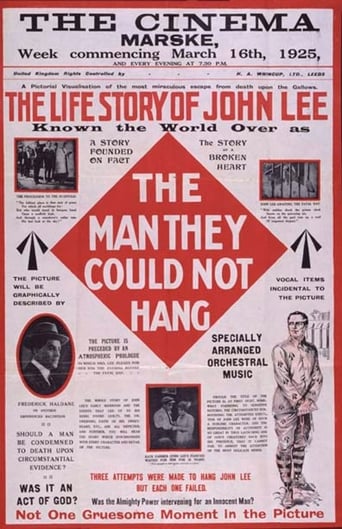
Rose Rooney is a very obscure early-screen performer known from the silent-era film The Life Story of John Lee, or The Man They Could Not Hang (1921). Available surviving records indicate that she was active in film only in 1921, and no reliable biographical information has been confirmed in standard reference sources regarding her birth, death, family background, or broader career. Because she appears in an early British silent production, it is likely that her screen work was limited to a small number of roles, possibly in supporting or bit-part capacities rather than leading-star work. Unlike many better-documented actors of the period, she did not leave behind a substantial trail of studio publicity, later interviews, or major press coverage that would allow a detailed life story to be reconstructed with confidence. Her name survives primarily through filmographies and archival references connected to the John Lee picture, which has made her a small but legitimate part of silent-cinema history. At present, Rose Rooney should be understood as a documented early film performer whose career is known almost entirely from a single surviving credit, rather than as a broadly recorded public figure. Any fuller portrait of her life would require additional archival research in trade papers, census records, or production documents that are not presently confirmed in accessible sources.
More about Rose Rooney
In film history
Rose Rooney's cultural impact is limited by the scarcity of surviving information about her work, but she remains part of the historical fabric of silent cinema. Performers like Rooney are important because they remind researchers that early film history was built not only by stars but also by lesser-known supporting players whose names are preserved in cast lists and archival catalogs. Her credit in The Life Story of John Lee, or The Man They Could Not Hang ties her to a film that dramatized a sensational true-crime story, a subject that helped shape public interest in cinema as mass entertainment in the early 1920s. Even when an actor's individual performance cannot be reconstructed, the survival of the credit itself contributes to the completeness of film historiography and the recovery of overlooked participants in early screen culture.
Later reputation
Rose Rooney's legacy is essentially archival: she represents the many silent-era performers whose careers are now visible only through fragmentary documentation. In film history, such names matter because they broaden understanding beyond famous stars and directors to include the many working actors who populated early productions. Her sole known credit places her within a formative period of cinema when the industry was still consolidating narrative forms, production practices, and audience expectations. For historians and database users, her existence underscores how much of silent-film personnel history remains incomplete and how easily performers can fade from public memory despite having contributed to surviving works. As a result, her lasting legacy lies in her documented participation in an early film rather than in a widely recognized body of work.
Influence
There is no documented evidence that Rose Rooney directly influenced later actors or directors in a traceable way. Her importance is indirect: she is part of the broader workforce of silent-era performers whose collective labor established acting conventions and screen culture in the 1920s. In that sense, she belongs to the generation that helped normalize cinematic performance before sound film transformed the medium.
Off screen
No reliable biographical sources currently confirm details about Rose Rooney's personal life, including marriages, children, residence, or family background. She does not appear to have a documented celebrity profile in the surviving mainstream reference literature for silent film performers. Because of this, any claims about her personal circumstances would be speculative and are not included here.
Credits
- Screen appearance in the 1921 silent film The Life Story of John Lee, or The Man They Could Not Hang
- Association with early British silent cinema
- Presence in surviving film reference records despite an otherwise obscure filmography
Roles
- Role in The Life Story of John Lee, or The Man They Could Not Hang (1921)
Notes
- Rose Rooney is currently known to film historians mainly from a single surviving 1921 credit.
- Her known film, The Life Story of John Lee, or The Man They Could Not Hang, is an early silent drama built around a real criminal case.
- She appears to have had a very brief or poorly documented screen career.
- No widely accepted birth or death details are readily confirmed in standard reference sources.
- Her obscurity illustrates how many silent-era performers survive in the record only through cast lists and filmographies.
- She is not to be confused with any later performers or similarly named individuals outside classic cinema documentation.
Questions
Who was Rose Rooney?
Rose Rooney was a very obscure silent-era film actor known from a 1921 screen credit. Surviving records identify her primarily through The Life Story of John Lee, or The Man They Could Not Hang, but little else is currently documented about her life or career.
What films is Rose Rooney best known for?
She is best known for The Life Story of John Lee, or The Man They Could Not Hang (1921). At present, that is the only reliably documented film credit commonly associated with her.
When was Rose Rooney born and when did she die?
Her birth and death dates are not currently confirmed in accessible standard reference sources. Because of the scarcity of surviving biographical data, both details remain unknown.
What awards did Rose Rooney win?
No awards or nominations are currently documented for Rose Rooney. Her surviving record reflects an early, obscure screen credit rather than a publicly honored film career.
What was Rose Rooney's acting style?
Her acting style cannot be reliably assessed because no confirmed reviews, interviews, or surviving performance analysis are readily available. As a silent-era performer, she would have worked in the visual, expression-driven style typical of the period, but specific details are not verifiable.
What is Rose Rooney's legacy in film history?
Her legacy is largely archival and historical rather than star-driven. She represents the many forgotten or lightly documented performers who contributed to early cinema and whose names survive only through film credits and reference lists.