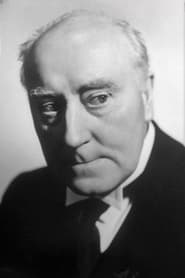
Halliwell Hobbes
Actor
Born: November 16, 1877 in Stratford-upon-Avon, Warwickshire, England Died: February 20, 1962 Active: 1915-1957
Films
1 film
About Halliwell Hobbes
British character actor: over five decades, from the silent era through the Golden Age of Hollywood. Born in England in 1877, he began his career on the London stage before transitioning to films in the 1920s. Hobbes established himself as a reliable character actor, often portraying aristocrats, butlers, doctors, and other authority figures with his distinctive dignified bearing and precise diction. Halliwell appears in more than 100 films, working with major studios including MGM, Warner Bros., and Paramount. His career flourished during the transition from silent films to talkies, where his theatrical training and clear voice proved invaluable. Hobbes continued acting well into the 1950s, maintaining a steady presence in both leading and supporting roles. His final film appearance was in 1957, marking the end of a remarkable career that bridged two distinct eras of cinema history.
The Craft
On Screen
Known for his dignified, authoritative presence and precise theatrical diction. Hobbes specialized in portraying aristocratic characters, doctors, judges, and other figures of authority with a stiff upper lip British reserve. His acting style was rooted in classical stage training, characterized by measured delivery and impeccable posture. He brought gravitas and authenticity to every role, whether playing a benevolent patriarch or a stern authority figure.
Milestones
- Stage debut in London in the early 1900s
- Transition to American films in the 1920s
- Successful transition to talkies
- Prolific character actor with 100+ film appearances
- Memorable roles in classic films of the 1930s and 1940s
Best Known For
Iconic Roles
Must-See Films
Working Relationships
Worked Often With
Studios
Why They Matter
Impact on Culture
Halliwell Hobbes represented the archetype of the British character actor in Golden Age Hollywood, helping establish the template for dignified, authoritative supporting roles. His consistent presence in major films of the 1930s and 1940s contributed to the authentic representation of British society and culture in American cinema. Hobbes was part of a generation of British actors who brought theatrical legitimacy to Hollywood films during the transition from silent to sound pictures.
Lasting Legacy
Halliwell Hobbes left a lasting legacy as one of Hollywood's most reliable and recognizable character actors. With over 100 film appearances, he created a template for the British character actor that would be followed by many others. His work in classic films continues to be appreciated by film historians and classic cinema enthusiasts. Hobbes demonstrated the importance of supporting actors in creating the Golden Age Hollywood cinema.
Who They Inspired
Hobbes influenced subsequent generations of British character actors in Hollywood, showing how theatrical training could translate effectively to film. His dignified approach to character work set a standard for portraying authority figures in cinema. Many later British actors, including C. Aubrey Smith and Basil Rathbone, followed similar career paths of bringing British theatrical tradition to American films.
Off Screen
Halliwell Hobbes was known as a private individual who maintained a separation between his professional and personal life. He married actress Nola Luxford in 1924, though the marriage eventually ended in divorce. Despite his long and successful career in Hollywood, Hobbes never became a naturalized American citizen, maintaining his British citizenship throughout his life. He was respected by colleagues for his professionalism and dedication to his craft.
Education
Trained in classical theatre in London, likely attended dramatic schools or received private coaching in the late 19th century
Family
- Nola Luxford (1924-1930s)
Did You Know?
- Was born in Stratford-upon-Avon, the birthplace of William Shakespeare
- Began his career on the London stage before transitioning to films
- Appeared in both silent and sound films, successfully making the transition
- Often typecast as doctors, judges, and aristocratic figures
- Maintained his British citizenship throughout his Hollywood career
- Worked with virtually every major Hollywood studio during his career
- Was part of the large community of British actors working in Hollywood during the 1930s-1940s
- His precise diction made him particularly valuable in early sound films
- Appeared in multiple adaptations of classic literature
- Continued working well into his 70s
In Their Own Words
The theatre is in my blood. I could no more stop acting than I could stop breathing.
In America, they appreciate the British actor. They understand our reserve and our dignity.
Frequently Asked Questions
Who was Halliwell Hobbes?
Screen credits include over 100 films from the silent era through the 1950s, known for portraying dignified, authoritative figures in Golden Age Hollywood cinema.
What films is Halliwell Hobbes best known for?
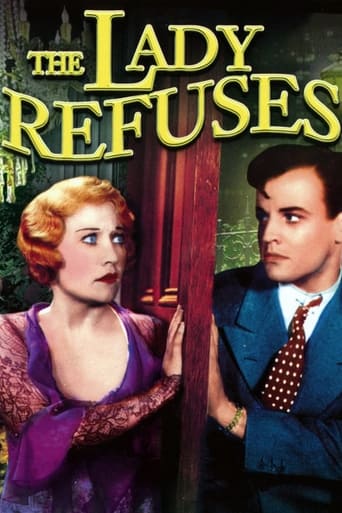
Titles linked here include The Lady Refuses (1931), Dr. Jekyll and Mr. Hyde (1931).
When was Halliwell Hobbes born and when did he die?
Born November 16, 1877; died February 20, 1962.
What awards did Halliwell Hobbes win?
Despite his prolific career, Halliwell Hobbes did not receive major awards or nominations, though he was highly respected within the industry as a reliable character actor.
What was Halliwell Hobbes's acting style?
Hobbes was known for his dignified, authoritative presence and precise theatrical diction, specializing in aristocratic characters with a stiff upper lip British reserve rooted in classical stage training.