Films
2 films
About Wang Xiaozhong
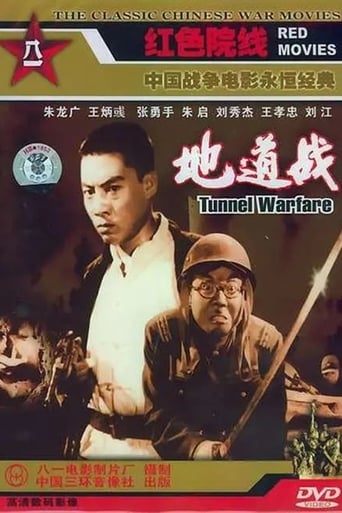
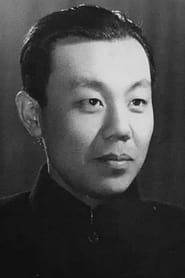
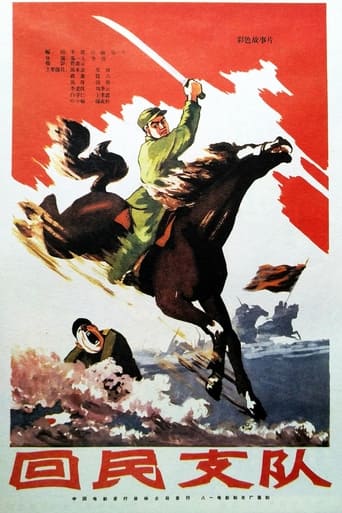
Chinese actor active during the late 1950s and mid-1960s, appearing in several notable films of that era. His career coincided with a significant period in Chinese cinema when the country was producing numerous patriotic and revolutionary films. Wang Xiaozhong gained recognition for his roles in war films that depicted Chinese resistance against foreign invasion, particularly during the Second Sino-Japanese War. His performances in 'Ethnic Hui Detachment' (1959) and 'Tunnel Warfare' (1965) showcased his ability to portray characters involved in China's revolutionary struggles. While his filmography appears limited, his contributions to these historically significant films have earned him a place in Chinese cinematic history. Wang Xiaozhong's acting style reflected the realistic and patriotic approach common in Chinese cinema of that period, emphasizing the collective struggle and heroism of ordinary people.
The Craft
On Screen
Realistic and patriotic approach typical of revolutionary Chinese cinema, emphasizing collective struggle and heroism of ordinary people during wartime
Milestones
- Role in Ethnic Hui Detachment (1959)
- Performance in Tunnel Warfare (1965)
Best Known For
Iconic Roles
Must-See Films
Working Relationships
Studios
Why They Matter
Impact on Culture
Wang Xiaozhong contributed to the golden era of Chinese revolutionary cinema, participating in films that became cultural touchstones for generations of Chinese viewers. His work in 'Tunnel Warfare' helped create. The films he appeared in were part of a broader movement to document and celebrate China's revolutionary history, serving both as entertainment and historical education for the Chinese public.
Lasting Legacy
Though not widely known internationally, Wang Xiaozhong's contributions to Chinese cinema, particularly in the war film genre, have helped preserve important narratives of Chinese resistance and patriotism. His performances in films like 'Tunnel Warfare' have become part of China's cultural heritage, with the film remaining.
Who They Inspired
As a character actor in the Chinese film industry of the 1950s-1960s, Wang Xiaozhong contributed to the development of realistic acting styles in Chinese revolutionary cinema, influencing how ordinary heroes and soldiers were portrayed on screen.
Off Screen
Limited information is available about Wang Xiaozhong's personal life, as was common for many character actors in Chinese cinema during this period who focused primarily on their craft rather than public celebrity.
Did You Know?
- Appeared in 'Tunnel Warfare' (1965),
- Participated in films during a significant period of Chinese cinema focused on revolutionary themes
- His film 'Tunnel Warfare' has been viewed by hundreds of millions of Chinese viewers over the decades
- The films he appeared in were produced during the early years of the People's Republic of China
- His work represents the character actor tradition in Chinese cinema, supporting larger historical narratives
Frequently Asked Questions
Who was Wang Xiaozhong?
Chinese with credits in this catalog. He was a character actor who contributed to China's patriotic cinema during this significant period in Chinese film history.
What films is Wang Xiaozhong best known for?
Titles linked here include Ethnic Hui Detachment (1959), Tunnel Warfare (1965).
When was Wang Xiaozhong born and when did he die?
Specific birth and death dates for Wang Xiaozhong are not well-documented in available sources, which was common for many character actors in Chinese cinema during this period. His known active period was from 1959 to 1965.
What awards did Wang Xiaozhong win?
There are no documented major awards or nominations for Wang Xiaozhong in available sources, though his contributions to significant Chinese films of the era have been recognized through the enduring popularity and cultural impact of the works he participated in.
What was Wang Xiaozhong's acting style?
Wang Xiaozhong's acting style reflected the realistic and patriotic approach typical of Chinese revolutionary cinema in the 1950s-1960s, emphasizing authentic portrayals of ordinary people involved in historical struggles and collective heroism during wartime.