Films
1 film
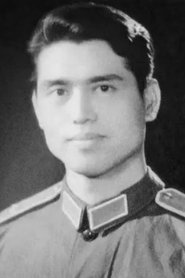
About Zhu Qi
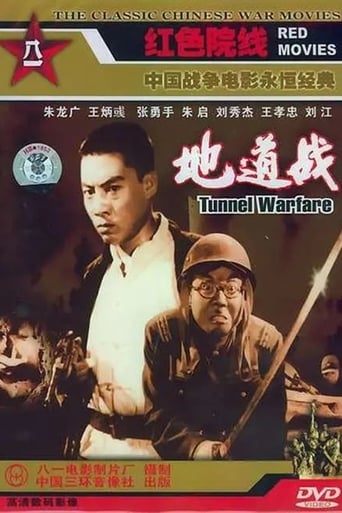
Zhu Qi appeared in 1965 war film 'Tunnel Warfare' (地道战), a significant production from the People's Republic of China during the Cultural Revolution era. The film was a propaganda piece celebrating Chinese resistance against Japanese invasion during World War II, focusing on the innovative tunnel warfare tactics developed by villagers in Hebei province. Zhu Qi's role in this film represents his known contribution to Chinese cinema during this politically charged period of filmmaking. Zhu Qi was part of a generation of performers who worked in state-sponsored productions that emphasized revolutionary themes and socialist values. His appearance in 'Tunnel Warfare' coincided with a peak period for Chinese war films that served both entertainment and educational purposes for the masses. Unfortunately, detailed biographical information about Zhu Qi's broader career, training, or other film appearances remains scarce in available historical records.
The Craft
Milestones
- Appeared in the influential Chinese war film Tunnel Warfare (1965)
Best Known For
Iconic Roles
Must-See Films
Working Relationships
Studios
Why They Matter
Impact on Culture
Zhu Qi's contribution to Chinese cinema, while limited to a single documented appearance, is part of the broader cultural movement of 1960s Chinese war films that shaped national memory and historical consciousness. 'Tunnel Warfare' became. The film's portrayal of civilian resistance and innovative warfare tactics became embedded in Chinese cultural understanding of the anti-Japanese war period. Actors like Zhu Qi, even in supporting roles, participated in creating cinematic works that would become reference points for Chinese historical identity and collective memory.
Lasting Legacy
Zhu Qi's legacy is primarily tied to his participation in 'Tunnel Warfare,' a film that has achieved classic status in Chinese cinema history. The movie remains. While individual actors from the film may not have achieved widespread fame, their collective contribution to this culturally significant work ensures their place in Chinese film history.
Who They Inspired
As an actor in a landmark Chinese war film, Zhu Qi contributed to the visual and narrative language that would influence subsequent generations of Chinese war cinema. The performance styles and character archetypes established in films like 'Tunnel Warfare' provided templates for future Chinese filmmakers depicting the anti-Japanese war period.
Off Screen
Limited biographical information is available about Zhu Qi's personal life, family background, or private affairs. This lack of documentation is common for many Chinese actors from this period, particularly those who appeared in single notable productions rather than maintaining extensive filmographies.
Did You Know?
- 'Tunnel Warfare' (1965) became
- The film was based on real tunnel warfare tactics used by Chinese villagers during the anti-Japanese resistance
- Despite being made in 1965, the film continues to be referenced in Chinese popular culture and education
- The movie was produced during the early Cultural Revolution period, reflecting the political climate of the time
- Tunnel warfare depicted in the film was an innovative military strategy that actually helped Chinese resistance forces
- The film's realistic portrayal of guerrilla warfare tactics made it valuable for military education
- Many scenes were filmed using actual tunnel systems or reconstructed versions based on historical records
Frequently Asked Questions
Who was Zhu Qi?
Chinese with credits in this catalog.
What film is Zhu Qi best known for?
Zhu Qi is known for his role in 'Tunnel Warfare' (1965), which became.
When was Zhu Qi active in film?
Based on available records, Zhu Qi was active in 1965, with his only documented film appearance being in 'Tunnel Warfare.'
What is the significance of Tunnel Warfare (1965)?
'Tunnel Warfare' is considered a classic of Chinese cinema that combined entertainment with patriotic education, depicting innovative guerrilla warfare tactics used by Chinese civilians during the anti-Japanese resistance.
What was Zhu Qi's contribution to Chinese cinema?
Zhu Qi contributed to Chinese cinema through his participation in a landmark war film that has influenced generations of Chinese filmmakers and helped shape national historical consciousness about the anti-Japanese war period.