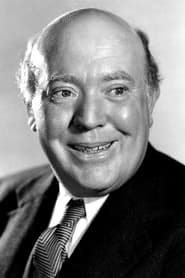
Guy Kibbee
Actor
Born: March 6, 1882 in El Paso, Texas, USA Died: May 24, 1956 Active: 1931-1956 Birth Name: Guy Bridges Kibbee
Films
2 films
About Guy Kibbee
American character actor who became one of Hollywood's most recognizable supporting players during the Golden Age of cinema. Born in Texas, he began his career in traveling theater troupes and vaudeville before making his film debut in the early 1930s. Kibbee quickly established himself as a Warner Bros. Contract player, specializing in playing flustered but good-hearted authority figures with his distinctive rotund physique, walrus mustache, and exasperated expressions. Guy appears in over 100 films throughout his career, often portraying judges, mayors, or small-town businessmen who were simultaneously pompous and endearing. Kibbee was particularly adept at balancing comedy with genuine warmth, bringing humanity to even his most broadly drawn characters. His screen career spanned the early sound era until his death in 1956, during which he worked with many of Hollywood's biggest stars and directors. He remains beloved by classic film enthusiasts for his memorable comic timing and the authentic humanity he brought to every role.
The Craft
On Screen
Kibbee specialized in playing flustered, exasperated characters with a distinctive blend of pomposity and warmth. His acting style relied heavily on physical comedy, expressive facial gestures, and a unique ability to convey both frustration and affection simultaneously. He perfected the art of the double-take and exasperated sigh, often playing authority figures who were ultimately good-hearted despite their bluster. Kibbee brought authenticity to even his most broadly comic roles through subtle timing and genuine emotional reactions, making his characters feel like real people rather than caricatures.
Milestones
- Signed contract with Warner Bros. In 1932, becoming one of their most reliable character actors
- Breakthrough role in '42nd Street' (1933) establishing his signature style
- Prolific period in 1930s appearing in 30+ films including multiple Gold Diggers musicals
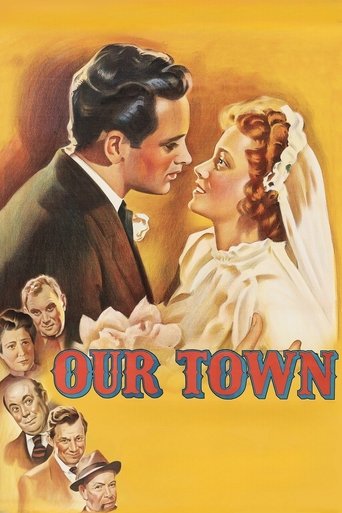
- Memorable dramatic turn in 'Our Town' (1940) as Dr. Gibbs
- Transition to television in early 1950s with appearances on popular anthology series
- Over 100 film appearances during 25-year career in Hollywood
Best Known For
Iconic Roles
Must-See Films
Accolades
Special Recognition
- Hollywood Walk of Fame star (located at 6245 Hollywood Boulevard)
Working Relationships
Worked Often With
Studios
Why They Matter
Impact on Culture
Guy Kibbee became an iconic figure of 1930s American cinema, representing the archetype of the well-meaning but flustered authority figure. His performances helped define the comedic tone of Warner Bros. Musicals and comedies during the Golden Age, contributing to the studio's distinctive house style. Kibbee's characters often embodied the tension between small-town values and urban sophistication that was central to many Depression-era films. His ability to find humanity in comic roles helped elevate the status of character actors in Hollywood, demonstrating that supporting players could be just as memorable as leading stars. The Kibbee archetype continues to influence comedy today, with modern actors often drawing on his style for similar characters.
Lasting Legacy
Guy Kibbee's legacy endures through his extensive body of work that continues to be celebrated by classic film enthusiasts and historians. He represents the golden era of Hollywood character actors who brought depth and personality to supporting roles, elevating films beyond their leading performances. His distinctive style has been referenced and homaged in numerous films and television shows, cementing his place in American popular culture. Kibbee's work in films like 'Our Town' demonstrated his range beyond comedy, showing his ability to handle dramatic material with sensitivity and authenticity. His star on the Hollywood Walk of Fame serves as a permanent tribute to his contributions to cinema, and his films remain popular through television and streaming platforms, introducing new generations to his unique talent.
Who They Inspired
Kibbee influenced generations of character actors who followed, particularly those specializing in comic authority figures. His technique of blending physical comedy with genuine emotional depth became a model for supporting players in both film and television. Actors like Edgar Buchanan, Charles Lane, and later character actors drew inspiration from Kibbee's ability to create memorable characters in limited screen time. His work demonstrated the importance of character actors in creating the ensemble films, influencing how studios approached casting and developing supporting roles. The 'Kibbee type' became a recognizable archetype in American entertainment, with his influence extending to animated characters and later television sitcoms.
Off Screen
Guy Kibbee was married twice during his lifetime. His first marriage to Esther Reed lasted from 1905 until her death in 1939, during which they raised two children together. In 1940, he remarried to Helen Lillian Liles, who remained his wife until his death. Kibbee was known as a devoted family man who maintained a relatively private personal life despite his public fame. He served in the United States Army during World War I before pursuing his acting career full-time. Later in life, he struggled with health issues including heart problems that contributed to his death at age 74.
Education
Limited formal education; primarily self-taught through practical experience in theater and vaudeville circuits
Family
- Esther Reed (1905-1939)
- Helen Lillian Liles (1940-1956)
Did You Know?
- His distinctive walrus mustache became his trademark, though he was clean-shaven in some early films
- He appeared in 11 films in 1933 alone, demonstrating his incredible work ethic and demand
- Before acting, he worked as a railroad engineer and served in World War I
- He was a skilled horseman and often performed his own stunts in Western films
- Despite often playing judges and authority figures, he had no formal legal education
- His son Arthur Kibbee worked behind the scenes in Hollywood as a production manager
- He was one of the few actors to successfully transition from vaudeville to sound films
- Kibbee was known for his professionalism and reliability, rarely missing shooting days
- He often improvised his exasperated reactions and facial expressions
- His final film appearance was in 'The Best Things in Life Are Free' (1956), released after his death
In Their Own Words
I've made a career out of being flustered on screen, but in real life, I'm as calm as they come
Playing the same type of character isn't limiting if you find new ways to make them human
Every judge, mayor, or businessman I play has a little piece of someone I've known
The secret to comedy is timing, but the secret to good comedy is truth
I never minded not being the star - the stars get all the pressure, I get all the fun
Frequently Asked Questions
Who was Guy Kibbee?
Beloved American character with credits in this catalog. With his distinctive mustache and rotund physique, he appeared in over 100 films from 1931 to 1956, primarily for Warner Bros., becoming one of cinema's most recognizable supporting actors.
What films is Guy Kibbee best known for?
Titles linked here include 42nd Street (1933), Our Town (1940).
When was Guy Kibbee born and when did he die?
Born March 6, 1882; died May 24, 1956.
What awards did Guy Kibbee win?
While Guy Kibbee did not receive major acting awards during his career, he was honored with a star on the Hollywood Walk of Fame located at 6245 Hollywood Boulevard. His recognition came primarily from audience appreciation and his status as one of Hollywood's most reliable character actors.
What was Guy Kibbee's acting style?
Kibbee specialized in playing flustered, exasperated characters with a unique blend of pomposity and warmth. His style combined physical comedy, expressive facial gestures, and impeccable timing, often portraying authority figures who were ultimately good-hearted despite their bluster. He brought authenticity to comic roles through subtle emotional reactions and genuine humanity.