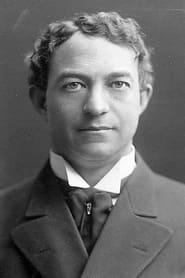
Edmund Breese
Actor
Born: June 18, 1871 in New York City, New York, USA Died: April 6, 1936 Active: 1914-1935
Films
3 films
About Edmund Breese
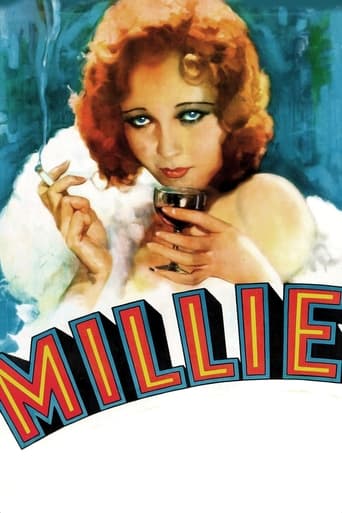
American character actor: the transition from silent films to early talkies. Born in New York City in 1871, Breese began his career on the legitimate stage, appearing in numerous Broadway productions before transitioning to motion pictures in the early 1910s. He established himself as a reliable character actor, often playing authoritative figures such as judges, doctors, and businessmen. His film career flourished during the 1920s and early 1930s, appearing in over 100 films including notable works like 'The Unholy Three' (1925), 'The Broadway Melody' (1929), and 'Millie' (1931). Breese was particularly effective at conveying gravitas and authority with his distinctive voice and commanding presence, making him a valuable asset during the transition to sound films. He continued working steadily until his death in 1936, with his final appearance being in the acclaimed 'Mutiny on the Bounty' (1935). Throughout his career, Breese was respected for his professionalism and versatility, successfully adapting his stage techniques to the demands of both silent and sound cinema.
The Craft
On Screen
Breese was known for his authoritative presence and distinctive voice, which made him particularly effective in sound films. He specialized in portraying dignified, professional characters such as judges, doctors, businessmen, and government officials. His acting style was rooted in his theatrical background, characterized by clear diction, deliberate movements, and the ability to convey authority and wisdom. Breese had a commanding screen presence that allowed him to dominate scenes even in supporting roles, and his transition to sound films was seamless due to his excellent vocal training and stage experience.
Milestones
- Stage career on Broadway before films
- Transition from silent to sound films
- Appeared in over 100 films
- Notable role in 'Mutiny on the Bounty' (1935)
- Worked with major studios including MGM and Paramount
- Successful adaptation from stage to screen acting
Best Known For
Iconic Roles
Must-See Films
Working Relationships
Worked Often With
Studios
Why They Matter
Impact on Culture
Edmund Breese represented the successful transition of stage actors to the film medium during a crucial period in cinema history. His ability to adapt from silent films to talkies demonstrated the importance of theatrical training in early cinema. Breese contributed to the establishment of character acting as a respected profession in Hollywood, helping to create the archetype of the reliable supporting actor who could elevate any production with his presence. His work in films like 'Mutiny on the Bounty' and 'The Story of Louis Pasteur' helped legitimize the supporting character's importance in narrative cinema.
Lasting Legacy
Edmund Breese's legacy lies in his contribution to the development of character acting in early Hollywood. As one of the many stage actors who successfully transitioned to film, he helped establish standards for professional acting in the new medium. His extensive filmography serves as a valuable record of the evolution of American cinema from the silent era through the early sound period. Breese is remembered by film historians as a representative example of the working character actor who formed the backbone of Hollywood's studio system, providing the essential support that allowed stars to shine.
Who They Inspired
While not a major star who influenced acting techniques directly, Edmund Breese influenced younger actors through his example of professionalism and adaptability. His successful transition from stage to screen demonstrated the value of classical training in the new medium of film. His consistent work ethic and reliability set standards for supporting actors in the studio system. Breese's ability to play authoritative figures with authenticity helped establish character archetypes that would be emulated by subsequent generations of character actors in Hollywood.
Off Screen
Edmund Breese was married to actress Rita Stanhope, with whom he sometimes appeared on stage. The couple had no children. Breese was known as a private individual who maintained a separation between his professional and personal life. Despite his extensive film career, he remained connected to the theater community throughout his life. He lived primarily in New York City, even as his film career took him to Hollywood, maintaining his East Coast roots. Breese was respected by his colleagues for his professionalism and dedication to his craft.
Education
Educated in New York City, likely attended local schools. His primary training came from practical experience in theater rather than formal dramatic education.
Family
- Rita Stanhope (married date unknown - until his death in 1936)
Did You Know?
- Appeared in over 100 films during his 21-year film career
- Successfully transitioned from silent films to talkies due to his stage training and excellent voice
- Was married to fellow actress Rita Stanhope
- His final film appearance was in the Oscar-winning 'Mutiny on the Bounty' (1935)
- Died just one year after his final film appearance at age 64
- Maintained his New York residence throughout his Hollywood career
- Often played judges, doctors, and other authority figures
- Began his film career relatively late in life at age 43
- Was part of the stock company at MGM during the early 1930s
- His stage career predated his film work by many years
In Their Own Words
No widely documented quotes attributed to Edmund Breese, as was common for character actors of his era who focused on their craft rather than personal publicity
Frequently Asked Questions
Who was Edmund Breese?
American character with credits in this catalog. He was known for playing authoritative figures and appeared in over 100 films, including notable works like 'Mutiny on the Bounty' and 'Millie'.
What films is Edmund Breese best known for?
Titles linked here include Millie (1931), Mutiny on the Bounty (1935).
When was Edmund Breese born and when did he die?
Born June 18, 1871; died April 6, 1936.
What awards did Edmund Breese win?
Edmund Breese did not receive any major awards or nominations during his career. Like many character actors of his era, his contributions were primarily recognized through consistent employment and the respect of his colleagues in the industry.
What was Edmund Breese's acting style?
Edmund Breese's acting style was characterized by his authoritative presence and distinctive voice, rooted in his theatrical training. He specialized in playing dignified, professional characters with gravitas, using clear diction and deliberate movements that translated well from stage to screen.
How did Edmund Breese transition from silent films to talkies?
Edmund Breese successfully transitioned from silent films to talkies due to his extensive stage background and excellent vocal training. His theatrical experience gave him the voice control and diction necessary for sound films, making his transition seamless compared to many silent film actors.
Was Edmund Breese married?
Yes, Edmund Breese was married to actress Rita Stanhope. The couple remained married until Breese's death in 1936, though they had no children together.
What was Edmund Breese's legacy in cinema?
Edmund Breese's legacy lies in his contribution to establishing character acting as a vital component of Hollywood's studio system. He represented the successful transition of stage actors to film and helped create archetypes for authority figures in cinema that would influence subsequent generations of character actors.