Charles Middleton
Actor
Born: October 3, 1874 in Elizabethtown, Kentucky, USA Died: April 22, 1949 Active: 1920-1949 Birth Name: Charles Brown Middleton
Films
4 films

About Charles Middleton
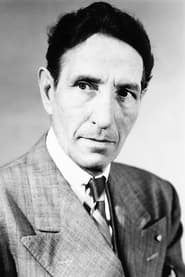
Charles Brown Middleton — prolific American character actor whose imposing 6'3" frame and deep, resonant voice made him one of Hollywood's most recognizable villains during the Golden Age. Born in Kentucky in 1874, Middleton began his career on the stage before transitioning to silent films in the 1920s, successfully making the leap to talkies with his distinctive baritone voice that became his trademark. Charles appears in over 200 films throughout his three-decade career, though he is best remembered for his portrayal of the intergalactic tyrant Ming the Merciless in the Flash Gordon serials of the 1930s. Middleton worked with virtually every major studio and starred alongside legends like Laurel and Hardy, John Wayne, and Charlie Chaplin. His gaunt features and menacing demeanor made him the perfect choice for villains, though he occasionally played authority figures and sympathetic characters. He continued working steadily until his death in 1949, leaving behind a legacy as one of cinema's most memorable character actors.
The Craft
On Screen
Middleton was known for his commanding screen presence, utilizing his tall, gaunt physique and deep, resonant voice to create memorable villainous characters. He specialized in playing menacing antagonists with a theatrical flair, often employing exaggerated gestures and intense facial expressions that suited the serial and adventure genres. His distinctive baritone voice became his most valuable asset in talkies, allowing him to deliver threatening lines with chilling authority. Middleton had a remarkable ability to convey menace through both physical presence and vocal delivery, making him.
Milestones
- Iconic portrayal of Ming the Merciless in Flash Gordon serials (1936-1940)
- Successful transition from silent films to talkies with his distinctive deep voice
- Appeared in over 200 films across three decades
- Frequent collaborator with Laurel and Hardy in their comedies
- Memorable supporting role in John Ford's Stagecoach (1939)
Best Known For
Iconic Roles
Must-See Films
Accolades
Special Recognition
- Hollywood Walk of Fame star (located at 6603 Hollywood Blvd)
Working Relationships
Worked Often With
Studios
Why They Matter
Impact on Culture
Charles Middleton's portrayal of Ming the Merciless established the archetypal space villain in popular culture, influencing countless science fiction antagonists that followed. His distinctive voice and menacing delivery set the standard for villainous performances in serials and B-movies. Middleton's work helped define the visual and auditory language of cinematic villainy during Hollywood's Golden Age, particularly in the adventure and science fiction genres. His collaborations with Laurel and Hardy showcased his versatility, proving he could be equally effective in comedy as in drama.
Lasting Legacy
Middleton's legacy endures through his iconic portrayal of Ming the Merciless, which remains one of cinema's most recognizable villains. His extensive filmography serves as a comprehensive catalog of Golden Age Hollywood production values and genre conventions. As. His influence can be seen in later villains who adopted similar vocal patterns and physical mannerisms.
Who They Inspired
Middleton influenced generations of character actors who specialized in villainous roles, particularly in the science fiction and adventure genres. His distinctive vocal style became a template for villains in radio dramas and later animated series. Actors like James Earl Jones and Christopher Lee have cited the importance of distinctive villain voices in creating memorable antagonists, a tradition Middleton helped establish. His work in serials influenced the development of television villains in the 1950s and 1960s.
Off Screen
Charles Middleton was married to actress Leora Spellman, with whom he frequently appeared on stage and in films. The couple had no children but maintained a strong professional and personal partnership throughout Middleton's career. Middleton was known as a dedicated professional who rarely took time off, working consistently even in his later years when his health began to decline. He was described by colleagues as a kind and generous man off-screen, contrasting sharply with the villainous characters he portrayed.
Education
Limited formal education; primarily trained through stage experience and theater work
Family
- Leora Spellman (1926-1949)
Did You Know?
- His deep voice was so distinctive that he was often dubbed 'the man with the million-dollar voice'
- Stood 6'3" tall, making him an imposing presence in films
- Appeared in all three Flash Gordon serials starring Buster Crabbe
- Was a skilled stage actor before entering films, performing in Broadway productions
- Often played characters much older than his actual age due to his gaunt appearance
- Worked with virtually every major comedy team of the 1930s including Laurel and Hardy, The Marx Brothers, and Abbott and Costello
- Despite his villainous image, he was known as one of the kindest actors in Hollywood
- His final film appearance was in 1949's 'The Adventures of Sir Galahad'
- Was typecast so often as a villain that he rarely received fan mail from children
- His voice was so powerful that sound engineers often had to adjust microphone levels when recording his dialogue
In Their Own Words
I have always enjoyed playing villains. They are much more interesting than heroes, and the audience remembers them longer.
A good villain must believe he is right. That is what makes him truly terrifying.
In the serials, we had to make each episode end with a cliffhanger. My job was to make sure the audience came back next week to see me get my comeuppance.
Frequently Asked Questions
Who was Charles Middleton?
Prolific American character with credits in this catalog. With his distinctive deep voice and imposing 6'3" frame, he appeared in over 200 films during Hollywood's Golden Age, working with major stars like Laurel and Hardy and John Wayne.
What films is Charles Middleton best known for?
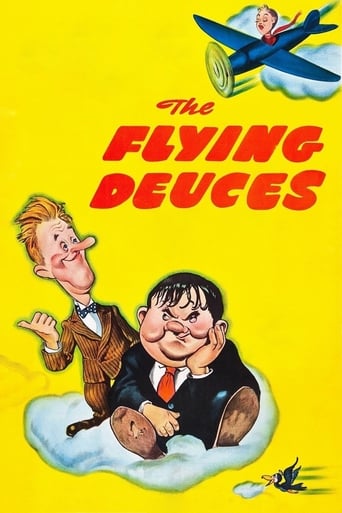
Titles linked here include Flash Gordon serials (1936-1940), The Flying Deuces (1939).
When was Charles Middleton born and when did he die?
Born October 3, 1874; died April 22, 1949.
What awards did Charles Middleton win?
Despite his prolific career and iconic performances, Charles Middleton did not receive major industry awards during his lifetime. However, he was posthumously honored with a star on the Hollywood Walk of Fame at 6603 Hollywood Blvd, recognizing his significant contributions to cinema.
What was Charles Middleton's acting style?
Middleton was known for his commanding screen presence, utilizing his tall, gaunt physique and deep, resonant voice to create memorable villainous characters. He specialized in theatrical, menacing performances with exaggerated gestures and intense facial expressions that were perfect for serials and adventure films.
Did Charles Middleton work with Laurel and Hardy?
Yes, Charles Middleton frequently collaborated with Laurel and Hardy, appearing in several of their films including The Flying Deuces (1939). His imposing presence and ability to play both serious and slightly comedic roles made him an ideal supporting actor in their comedies.
How many films did Charles Middleton appear in?
Charles Middleton appeared in over 200 films throughout his career from 1920 to 1949. His prolific output made him.