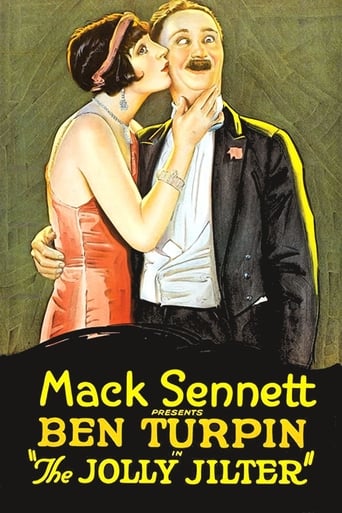
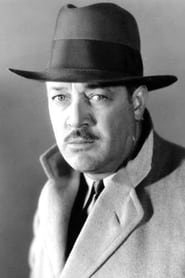
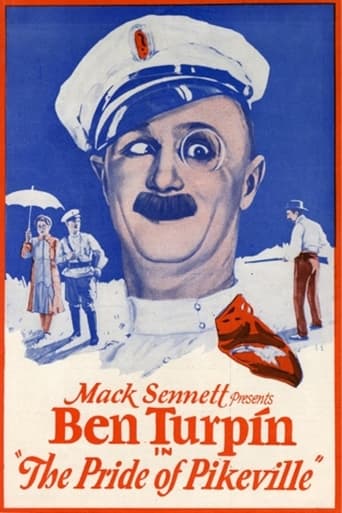
William Stanley Blystone — American character actor whose three decades of Hollywood cinema, beginning in the silent era and continuing through the golden age of sound films. Born in Wisconsin, Blystone moved to California in his early twenties and began his film career in 1924, quickly establishing himself as a reliable supporting player. His rugged appearance and distinctive voice made him particularly effective in villainous roles, though he also played authority figures and comic characters throughout his career. Blystone appeared in over 400 films, making him prolific character actors of his generation, working steadily at major studios including Universal, Warner Bros., and Republic Pictures. He was particularly active in westerns and serials, where his menacing presence and ability to convey both menace and authority made him a valuable asset to directors. Despite never achieving leading man status, Blystone's consistent work ethic and versatility ensured he remained employed throughout the Great Depression and World War II years. His career continued into the early 1950s, with his final films released posthumously in 1956, the year of his death from a heart attack.
The Craft
On Screen
Blystone was known for his commanding presence and distinctive gravelly voice, which made him particularly effective in villainous roles. He specialized in playing henchmen, corrupt officials, and antagonists, often bringing a subtle menace to his performances without descending into caricature. His physical stature and expressive eyes allowed him to convey emotion effectively even in silent films, while his voice work in talkies added another dimension to his characterizations. Blystone's technique was rooted in the practical theater tradition, focusing on clear characterization and reliability rather than method acting or elaborate preparation.
Milestones
Appeared in over 400 films during his 32-year career
Transitioned successfully from silent films to talkies
Became one of Hollywood's most recognizable character actors
Regular performer in Republic Pictures serials and westerns
Best Known For
Iconic Roles
Henchmen in westerns
Corrupt officials and gangsters
Authority figures in dramas
Comic relief characters in comedies
Must-See Films
Stagecoach
The Grapes of Wrath
My Darling Clementine
The Quiet Man
The Searchers
],
awards
nominations
honors
personalLife
Stanley Blystone married actress Jean Tolley in 1925, and the couple remained together until his death in 1956. They had no children. Blystone was known in Hollywood circles as a reliable professional who avoided the scandal and excess often associated with the film industry. He lived modestly in the San Fernando Valley and was known for his dedication to his craft and his willingness to help younger actors learn the business. His death from a heart attack at age 61 came while he was still actively working in films.
spouses
children
education
Limited formal education; likely attended local schools in Eau Claire, Wisconsin before moving to California in his early twenties
studioAffiliations
frequentCollaborators
mentors
protégés
culturalImpact
Stanley Blystone represents the unsung heroes of Hollywood's golden age - the reliable character actors who provided essential support to leading players and helped establish the credibility of countless films. His consistent presence in both A-list productions and B-movies demonstrated the importance of supporting players in creating believable cinematic worlds. Blystone's ability to transition from silent films to talkies without losing his effectiveness exemplified the adaptability required of actors during this technological transition period. His work in westerns and serials contributed significantly to these popular genres, helping define the visual language and character archetypes that would influence American cinema for decades.
legacy
While not a household name, Stanley Blystone's legacy lives on through the hundreds of films in which he appeared, many of which are considered classics of American cinema. His face, if not his name, is familiar to generations of film viewers who have enjoyed the great westerns and dramas of Hollywood's golden age. Blystone represents the working actor who could be counted on to deliver solid performances regardless of the film's budget or prestige. His career shows the importance of character actors in creating the classic Hollywood cinema, and his filmography provides valuable documentation of the studio system at its peak.
influence
Blystone influenced generations of character actors through his example of professionalism and versatility. His ability to play both menacing and sympathetic roles showed the range possible for supporting players, while his consistent employment demonstrated that character acting could provide a sustainable career in Hollywood. Many later character actors, particularly those specializing in westerns and crime films, followed the pattern Blystone established of creating memorable characters within limited screen time. His work with directors like John Ford helped establish templates for character types that would be emulated in countless films and television shows.
trivia
famousQuotes
controversies
No significant controversies or scandals were associated with Stanley Blystone during his career. He was known as a professional who avoided the personal troubles that plagued many of his contemporaries.