Dick Elliott
Actor
Born: April 29, 1886 in Philadelphia, Pennsylvania, USA Died: December 22, 1961 Active: 1916-1950s
Films
1 film
About Dick Elliott
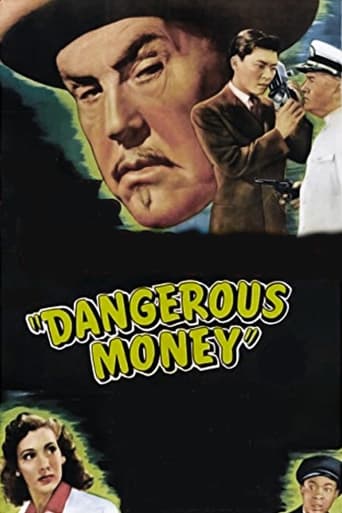
Prolific American character actor: face became instantly familiar to audiences of the studio era, even if his name was not always front and center. Born in Philadelphia, he built a career playing judges, bankers, bartenders, clerks, fathers, and other authority figures, often bringing a dry, deadpan, or mildly bewildered comic presence to supporting parts. By the mid-1940s, including his work in Dangerous Money (1946), he was a dependable screen regular in both features and short subjects, especially in comedies, mysteries, and light drama. Dick appears frequently in Hollywood productions from the early sound era through the 1950s, accumulating a very large body of work across major and minor studios. Elliott was especially valued for his ability to deliver exposition or a punchline efficiently, making him one of those character actors who helped define the texture of classic Hollywood storytelling. He remained active into the early television era as well, reflecting the industry’s demand for experienced supporting players who could adapt to fast production schedules. His career is a strong example of the working character actor tradition in classic American cinema.
The Craft
On Screen
Elliott's acting style was understated, economical, and highly functional, shaped by the demands of supporting roles in fast-moving studio productions. He often played with a dry wit or an air of bemused authority, using precise timing and expressive reactions rather than broad gestures. His performances typically suggested a fully realized background for a character without drawing attention away from the leads. This made him especially effective in ensemble comedies and mystery films where a quick, believable reading was essential.
Milestones
- Built a long career as a reliable and versatile Hollywood character actor across features, shorts, and early television
- Appeared in numerous studio-era comedies, mysteries, and domestic dramas as judges, clerks, fathers, and other authority figures
- Worked steadily through the 1930s and 1940s, when character players were essential to the studio system's production pipeline
- Was part of the supporting cast tradition that gave classic Hollywood films their lived-in realism and comic timing
- Remained active in the early television era, extending his screen presence beyond the peak studio years
Best Known For
Iconic Roles
Must-See Films
Working Relationships
Worked Often With
Studios
Why They Matter
Impact on Culture
Dick Elliott contributed to the essential fabric of classic American cinema as the kind of character actor who made studio-era worlds feel credible, bustling, and socially complete. While he was rarely the marquee attraction, his appearances helped establish the rhythm of scenes and the comic or procedural texture that audiences associated with Golden Age Hollywood. Actors like Elliott were crucial to the studio system because they could be cast quickly in dozens of films, providing continuity across genres and production units. His work exemplifies the importance of supporting performers in sustaining the tone and pacing of mid-century American films.
Lasting Legacy
Elliott's legacy lies in the accumulated impact of a long, industrious career rather than in a single star-making role. Modern film historians and classic-cinema enthusiasts value performers like him because they illuminate how the studio system depended on dependable supporting actors to populate its stories. His filmography reflects the sheer volume of studio-era production and the versatility required of working actors who moved fluidly between comedy, drama, and mystery. He remains a recognizable name to collectors and viewers of classic film because his familiar face appears throughout the period's output.
Who They Inspired
Elliott influenced the tradition of the American screen character actor by demonstrating how supporting roles could be played with clarity, restraint, and strong timing. His kind of performance set a standard for later utility players in film and television who needed to be instantly readable and effective in small scenes. Although not generally credited as a stylistic innovator, he contributed to a performance model that emphasized professionalism, precision, and the ability to serve the story above all else.
Off Screen
Publicly available biographical information on Dick Elliott's private life is limited, which is common for many working character actors of the studio era. He appears to have kept a low personal profile and is better documented through his film and television work than through celebrity press coverage. No widely cited record of major scandals or high-profile personal stories is associated with him, and he seems to have maintained a professional reputation as a dependable studio employee rather than a star personality.
Education
No widely verified information is available about his formal education.
Did You Know?
- He was one of those highly recognizable studio-era supporting actors whose face was often more familiar than his name.
- He worked in both film and early television, bridging the end of the studio system and the rise of TV production.
- His parts often relied on authority or comic exasperation, making him useful in everything from mysteries to light comedies.
- He appeared in a wide range of productions rather than being tied to one iconic franchise or signature leading role.
- Character actors like Elliott were essential to Hollywood's efficiency because they could be cast quickly and perform reliably in many different genres.
- His appearance in Dangerous Money (1946) reflects his continued activity in the immediate postwar period.
- He is an example of a classic Hollywood performer whose legacy is preserved largely through filmographies and screen credits rather than star publicity.
- Many viewers know him from repeated appearances as judges, clerks, fathers, or other everyday authority figures.
Frequently Asked Questions
Who was Dick Elliott?
American character with credits in this catalog. He specialized in believable, efficient portrayals of judges, clerks, fathers, bankers, and other authority figures.
What films is Dick Elliott best known for?
Titles linked here include Dangerous Money (1946), No Place for a Lady (1943).
When was Dick Elliott born and when did he die?
Born April 29, 1886; died December 22, 1961.
What awards did Dick Elliott win?
No major awards or nominations are widely documented for Dick Elliott. Like many character actors of his era, his career was built on steady studio work rather than formal awards recognition.
What was Dick Elliott's acting style?
His style was understated, economical, and highly professional, with a knack for dry humor and believable authority. He was effective at delivering quick exposition, comic reactions, and grounded supporting performances without overpowering the leads.
What was Dick Elliott's legacy in classic cinema?
His legacy is that of a dependable character actor who helped make studio-era films feel populated and real. Film historians value performers like Elliott because they were essential to the storytelling machinery of classic Hollywood, even when they did not receive star billing.