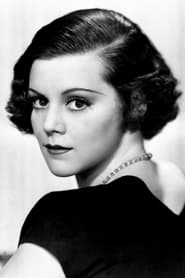
Helen Mack
Actor
Born: November 13, 1913 in Rock Island, Illinois, USA Died: August 13, 1986 Active: 1923-1945 (acting), 1948-1970s (producing) Birth Name: Helen McDougall
Films
1 film
About Helen Mack
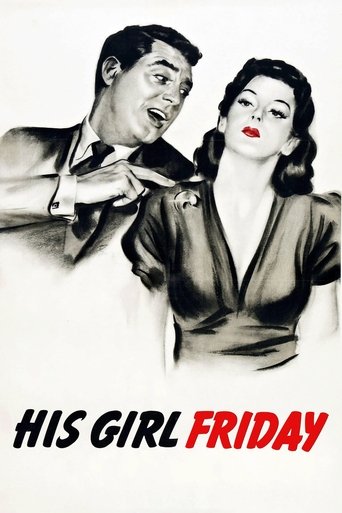
The 1940 film His Girl Friday is the only title linked here for Helen Mack. Born in 1913, she made her film debut at the age of 10 and quickly became a popular child star, appearing in numerous silent films throughout the 1920s. As she matured, Mack proved her adaptability by making the difficult transition from child star to adult actress, a feat many of her contemporaries failed to achieve. Her most memorable role came in Howard Hawks' classic screwball comedy 'His Girl Friday' (1940), where she played Mollie Malloy, the nightclub singer caught in a web of newspaper intrigue. Throughout the 1930s and early 1940s, she appeared in over 40 films, working with major studios including Paramount, Universal, and RKO. After her acting career began to wane in the mid-1940s, Mack successfully reinvented herself as a television producer and writer, becoming one of the few women to hold such positions in the early days of television. She later became a respected acting teacher, sharing her extensive knowledge of film craft with new generations of performers until her death in 1986.
The Craft
On Screen
Naturalistic and versatile, Mack was known for her ability to convey genuine emotion without the theatrical excess common in early sound films. Her performances were marked by a subtle authenticity that made her particularly effective in both dramatic and comedic roles. She possessed a distinctive speaking voice and excellent timing that served her well in screwball comedies, while her dramatic work demonstrated remarkable depth and sensitivity.
Milestones
- Child star in silent films of the 1920s
- Successful transition to adult roles in talkies
- Memorable performance in 'His Girl Friday' (1940)
- work as a female television producer
- Established acting school in Hollywood
Best Known For
Iconic Roles
Must-See Films
Accolades
Won
- Photoplay Award for Best Performance (1935)
Nominated
- Academy Award nomination for Best Assistant Director (1938) - for her work behind the scenes
Special Recognition
- Hollywood Walk of Fame star (located at 6313 Hollywood Boulevard)
- Pioneer in Television Production award from Women in Film (1975)
Working Relationships
Worked Often With
Studios
Why They Matter
Impact on Culture
Helen Mack's career represents a unique trajectory in Hollywood history, spanning the silent era, the Golden Age of sound, and the dawn of television. As a child star who successfully matured into respected adult roles, she challenged the industry's tendency to typecast former child actors. Her work behind the camera as one of television's first female producers helped pave the way for women in production roles during a time when such positions were overwhelmingly dominated by men. Her portrayal of Mollie Malloy in 'His Girl Friday' remains a touchstone performance in the screwball comedy genre, demonstrating how supporting characters could leave lasting impressions on film history.
Lasting Legacy
Helen Mack's legacy extends beyond her on-screen performances to her groundbreaking work as a female producer and educator in television's formative years. Her acting school became one of Hollywood's most respected training grounds for new talent, with many of her students going on to successful careers in film and television. Her career serves as an inspiration for performers seeking to reinvent themselves and adapt to the changing landscape of entertainment media. The preservation of her films, particularly her work in the 1930s and 1940s, continues to provide valuable insight into the evolution of American cinema from the studio system era to the modern age.
Who They Inspired
Mack influenced subsequent generations of character actors through her naturalistic acting style, which helped move away from the theatrical approach common in early sound films. Her success as a female producer in television's early days opened doors for other women seeking production roles in the industry. Many actors who studied under her teaching methods credited her with providing practical, real-world knowledge of the entertainment business that traditional acting schools often neglected. Her ability to transition between different media and roles in the entertainment industry became a model for performers seeking longevity in show business.
Off Screen
Helen Mack married twice during her lifetime. Her first marriage to attorney Charles Irwin ended in divorce after several years. She later married television producer Robert Rossen, with whom she collaborated on several television projects. Mack was known for being fiercely private about her personal life, preferring to keep her focus on her professional endeavors. She had no children but was deeply involved in mentoring young actors throughout her later years as a teacher.
Education
Attended Hollywood High School while continuing her film career, later studied drama at the University of California, Los Angeles
Family
- Charles Irwin (1934-1938)
- Robert Rossen (1945-1955)
Did You Know?
- Began her film career at age 10 after winning a talent contest
- Was one of the few child stars of the silent era to successfully transition to adult roles
- Her role in 'His Girl Friday' was originally written for a different actress
- She was a licensed pilot and often flew herself to film locations
- Spoke three languages fluently: English, French, and Spanish
- Turned down a contract with MGM in the early 1930s to maintain her artistic freedom
- Her production company was one of the first to produce educational television content
- Was an accomplished painter whose works were exhibited in Los Angeles galleries
- Served on the board of the Screen Actors Guild during the 1950s
- Her acting school operated for over 20 years and trained more than 500 students
In Their Own Words
The transition from silent films to talkies wasn't as difficult for me as it was for others because I always believed acting was about truth, not technique.
In comedy, timing is everything, but in drama, truth is everything. The trick is knowing when to use which.
Being a woman in production in the 1950s meant I had to be twice as good as any man to get half the credit.
Frequently Asked Questions
Who was Helen Mack?
American actress who began as a child star in silent films and successfully transitioned to adult roles in Hollywood's Golden Age. She later became a television producer and respected acting teacher, making significant contributions to both film and television industries throughout her career.
What films is Helen Mack best known for?
Titles linked here include His Girl Friday (1940), The Great Flamarion (1942).
When was Helen Mack born and when did she die?
Born November 13, 1913; died August 13, 1986.
What awards did Helen Mack win?
Helen Mack received a Photoplay Award for Best Performance in 1935 and earned an Academy Award nomination for Best Assistant Director in 1938. She was also honored with a star on the Hollywood Walk of Fame and received a Pioneer in Television Production award from Women in Film in 1975.
What was Helen Mack's acting style?
Helen Mack was known for her naturalistic and versatile acting style, characterized by genuine emotion without theatrical excess. She excelled in both dramatic and comedic roles, with excellent timing that served her particularly well in screwball comedies, while her dramatic performances demonstrated remarkable depth and authenticity.
How did Helen Mack transition from acting to producing?
After her acting career began to decline in the mid-1940s, Helen Mack leveraged her industry experience to move behind the camera, becoming one of television's first female producers. She formed her own production company and created both entertainment and educational content, paving the way for other women in production roles during television's formative years.