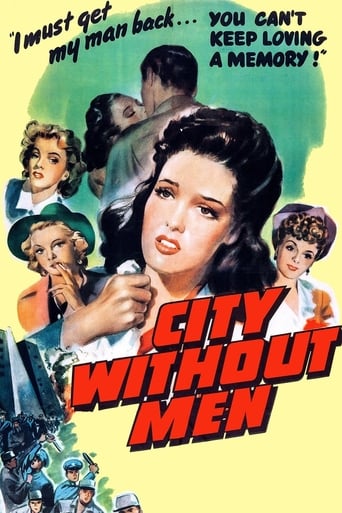

Linda Darnell
Actor
Born: October 16, 1923 in Dallas, Texas, USA Died: April 10, 1965 Active: 1939-1965 Birth Name: Monetta Eloyse Darnell
Films
1 film
About Linda Darnell
Linda Darnell (born Monetta Eloyse Darnell) was an American film actress who rose to stardom during Hollywood's Golden Age. Discovered by a talent scout for 20th Century Fox at age 15 while modeling in Dallas, she quickly became one of the studio's leading actresses. Darnell was known for her exceptional beauty and versatility, successfully transitioning from teenage roles to sophisticated adult characters. Her career peaked in the late 1940s with starring roles in major productions like 'Forever Amber' (1947) and the Academy Award-winning 'A Letter to Three Wives' (1949). She worked with prominent directors including Joseph L. Mankiewicz and Otto Preminger, demonstrating considerable range in both dramatic and comedic performances. Her later career was hampered by personal struggles, including alcoholism and three failed marriages. Tragically, her life was cut short at age 41 when she died in a house fire in 1965, leaving behind a legacy as one of Hollywood's most beautiful and talented actresses of the 1940s.
The Craft
On Screen
Darnell was known for her naturalistic acting style, which was relatively modern for her time. She possessed a screen presence that combined vulnerability with strength, allowing her to play both dramatic and comedic roles effectively. Her beauty was often highlighted by studios, but she demonstrated considerable range, particularly in her later films where she took on more complex characters. Darnell's performances were marked by an emotional authenticity that resonated with audiences, making her.
Milestones
- Discovered by 20th Century Fox at age 15 in Dallas
- Starred in 'Forever Amber' (1947),
- Appeared in 'A Letter to Three Wives' (1949), Academy Award winner for Best Director
- Worked with renowned directors Joseph L. Mankiewicz and Otto Preminger
- Successfully transitioned from teen ingenue to adult leading lady
- Received star on Hollywood Walk of Fame at 6610 Hollywood Boulevard
Best Known For
Iconic Roles
Must-See Films
Accolades
Special Recognition
- Hollywood Walk of Fame star (6610 Hollywood Boulevard)
Working Relationships
Worked Often With
Studios
Why They Matter
Impact on Culture
Linda Darnell represented the classic Hollywood star system, where studios would develop and promote actors as brand names. Her rise from a small-town Texas girl to a major star exemplified the American dream narrative that Hollywood often promoted during the Golden Age. Darnell's beauty and talent made her. Her performances in films like 'A Letter to Three Wives' helped establish new standards for ensemble acting and complex female characters in Hollywood cinema. Darnell's tragic death at a young age contributed to her status as a Hollywood legend, symbolizing both the glamour and the vulnerability of stardom during the studio era.
Lasting Legacy
Despite her relatively short career, Linda Darnell left a lasting impact on Hollywood cinema. Her most memorable performances, particularly in 'A Letter to Three Wives' and 'Forever Amber,' continue to be studied and appreciated by film historians and classic movie enthusiasts. Darnell's career trajectory, from teenage discovery to mature actress, mirrors the evolution of Hollywood itself during the Golden Age. Her life story has become part of Hollywood lore, often cited as an example of the industry's ability to create stars and the personal costs of fame. Her films remain popular among classic cinema fans, and her performances are frequently featured in retrospectives of Golden Age Hollywood.
Who They Inspired
Darnell's natural acting style influenced subsequent generations of actresses, particularly in how she balanced glamour with authenticity. Her ability to transition from ingenue roles to more complex characters demonstrated the possibilities for longevity in an industry that often typecast actresses. Her performances in films directed by Joseph L. Mankiewicz helped establish new standards for ensemble acting in Hollywood cinema. Darnell's career path showed that actresses could evolve beyond their initial typecasting, paving the way for future performers to seek more diverse and challenging roles throughout their careers.
Off Screen
Linda Darnell's personal life was marked by three marriages, one daughter, and struggles with alcoholism. She married cameraman J. Peverell Marley in 1943, who was 20 years her senior, but they divorced in 1952. Her second marriage to brewery heir Philip Leibmann in 1954 lasted only one year. Her third marriage to actor Merle Robertson in 1957 ended in divorce in 1963. She had one daughter, Charlotte Mildred 'Lola' Marley, born in 1948. Darnell's later years were plagued by financial difficulties and health problems, contributing to her tragic death in a house fire at her home in Glenview, Illinois, where she was staying with friends.
Education
Attended Sunset High School in Dallas, Texas, but left before graduating to pursue her acting career in Hollywood
Family
- J. Peverell Marley (1943-1952)
- Philip Leibmann (1954-1955)
- Merle Robertson (1957-1963)
Did You Know?
- Was discovered by a talent scout while working as a model for a department store in Dallas
- Changed her name from Monetta to Linda at the suggestion of a studio executive
- Was only 16 years old when she made her film debut in 'Hotel for Women' (1939)
- 'Forever Amber' was
- Was considered for the role of Scarlett O'Hara in 'Gone with the Wind' but was deemed too young
- Her first marriage was to a cameraman 20 years her senior
- Struggled with alcoholism for much of her adult life
- Died in a house fire at her home in Glenview, Illinois, while staying with friends
- Was in the process of trying to revive her career at the time of her death
- Her daughter was raised by her ex-husband after her death
- Was one of the first actresses to appear on the cover of Life magazine
In Their Own Words
I don't want to be a star. I want to be an actress.
Hollywood is a place where they'll pay you a thousand dollars for a kiss and fifty cents for your soul.
I was never the girl next door. I was the girl across the street you were warned about.
Beauty is only skin deep, but it's a valuable asset in my business.
The trouble with being a star is that you can't go anywhere without being recognized. Sometimes you just want to be left alone.
Frequently Asked Questions
Who was Linda Darnell?
American film actress who rose to fame during Hollywood's Golden Age. Born in Texas in 1923, she was discovered by 20th Century Fox as a teenager and became one of the studio's leading stars in the 1940s, known for her beauty and versatility in films like 'Forever Amber' and 'A Letter to Three Wives'.
What films is Linda Darnell best known for?
Titles linked here include Forever Amber (1947), A Letter to Three Wives (1949).
When was Linda Darnell born and when did she die?
Born October 16, 1923; died April 10, 1965.
What awards did Linda Darnell win?
While Linda Darnell — popular actress, she did not receive major awards during her lifetime. She was, however, honored with a star on the Hollywood Walk of Fame at 6610 Hollywood Boulevard for her contributions to the film industry.
What was Linda Darnell's acting style?
Linda Darnell was known for her naturalistic acting style, which was relatively modern for her time. She combined vulnerability with strength in her performances, allowing her to effectively play both dramatic and comedic roles while maintaining a glamorous screen presence.
How did Linda Darnell get discovered?
Linda Darnell was discovered at age 15 while working as a model for a Dallas department store. A talent scout for 20th Century Fox spotted her and arranged a screen test, which led to her being signed by the studio and moving to Hollywood to pursue her film career.
What was Linda Darnell's legacy in Hollywood?
Linda Darnell's legacy lies in her contributions to Hollywood's Golden Age cinema, particularly her memorable performances in films that reflected post-war American society. Her tragic death at a young age cemented her status as a Hollywood legend, symbolizing both the glamour and vulnerability of stardom during the studio era.