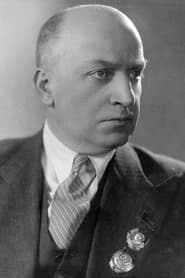
Mikheil Chiaureli
Director
Born: January 25, 1894 in Tiflis, Russian Empire (now Tbilisi, Georgia) Died: October 31, 1974 Active: 1916-1970
Films
2 films
About Mikheil Chiaureli
Soviet Georgian film director and actor who became prominent filmmakers in the Stalinist era. Beginning his career as an actor in Georgian theater and silent films during the 1910s, he transitioned to directing in the 1920s, initially focusing on Georgian cultural themes before moving to Moscow. His breakthrough came with his mastery of the socialist realist style, particularly evident in his grand-scale propaganda epics that glorified Soviet leadership and ideology. Chiaureli reached the pinnacle of his career during and after World War II, creating monumental films like 'The Fall of Berlin' (1949) and 'The Vow' (1946) that earned him multiple Stalin Prizes and made him Stalin's favorite director. Despite his controversial association with Soviet propaganda, his technical innovations in cinematography and ability to orchestrate massive productions influenced Soviet cinema for decades. After Stalin's death in 1953, his career declined as his style fell out of favor, though he continued making films in Georgia until his retirement. His legacy remains complex, representing both artistic achievement and political propaganda in Soviet cinema history.
The Craft
Behind the Camera
Chiaureli's directing style was characterized by grandiose scale, monumental compositions, and elaborate mise-en-scène typical of socialist realism. He employed massive crowd scenes, spectacular battle sequences, and theatrical acting to create epic narratives that glorified Soviet leadership and ideology. His visual approach combined traditional Georgian theatrical influences with Soviet cinematic techniques, emphasizing emotional manipulation through dramatic lighting, sweeping camera movements, and carefully choreographed mass movements. His films featured meticulous attention to period detail in costume and set design, creating an idealized version of historical events that served political purposes.
Milestones
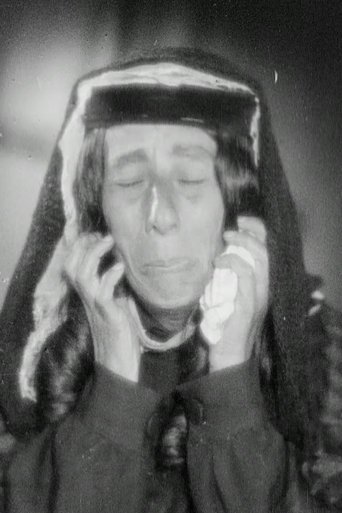
- Directed 'Out of the Way!' (1931), one of early Georgian talkies
- Created 'The Vow' (1946), first major Stalin biopic
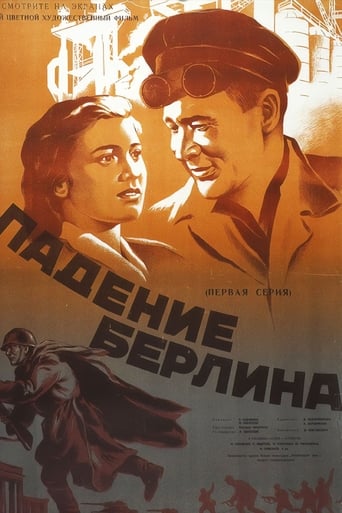
- Directed 'The Fall of Berlin' (1949), most ambitious Soviet propaganda film
- Won five Stalin Prizes for cinematic achievements
- Served as People's Artist of the USSR (1948)
- Pioneered large-scale battle sequences and crowd scenes in Soviet cinema
Best Known For
Iconic Roles
Must-See Films
Accolades
Won
- Stalin Prize (1st class) for 'The Vow' (1946)
- Stalin Prize (1st class) for 'The Fall of Berlin' (1949)
- Stalin Prize (2nd class) for 'The Unforgettable Year 1919' (1951)
- Stalin Prize (2nd class) for 'Magdana's Donkey' (1956)
- Order of Lenin (multiple times)
- Order of the Red Banner of Labour
Nominated
- Cannes Film Festival Palme d'Or nomination for 'Magdana's Donkey' (1956)
Special Recognition
- People's Artist of the USSR (1948)
- People's Artist of the Georgian SSR (1943)
- Hero of Socialist Labour (1974)
Working Relationships
Worked Often With
Studios
Why They Matter
Impact on Culture
Chiaureli's impact on Soviet cinema was profound, particularly in establishing the visual language of socialist realism in film. His monumental productions set new standards for scale and technical achievement in Soviet filmmaking, influencing generations of directors who followed. His films helped create and reinforce the cult of personality around Stalin, shaping how Soviet citizens perceived their leadership during a critical historical period. In Georgian cinema, he bridged the gap between early Georgian film traditions and the broader Soviet cinematic system, helping preserve Georgian cultural identity within the Soviet framework. His technical innovations in crowd scenes, battle sequences, and large-scale productions influenced not just propaganda films but all genres of Soviet cinema.
Lasting Legacy
Chiaureli's legacy remains complex and controversial in post-Soviet film history. While his technical achievements and directorial skill are undeniable, his association with Stalinist propaganda has led to critical reassessment of his work. His films serve as important historical documents of Soviet ideology and cultural policy, while also representing significant artistic achievements in cinematography and production design. The Georgian film dynasty he established through his wife and children continues to influence Georgian cinema today. His work is studied both as examples of socialist realist cinema and as technical achievements in filmmaking, with particular attention paid to his ability to orchestrate massive productions.
Who They Inspired
Chiaureli influenced Soviet cinema through his development of the propaganda epic format, which became a standard for historical and biographical films in the USSR. His techniques for managing large crowds and orchestrating complex battle sequences were adopted by directors across the Soviet system. In Georgian cinema, he helped establish a tradition of combining national themes with Soviet cinematic requirements, a balance that subsequent Georgian directors had to navigate. His work influenced how historical figures, particularly political leaders, were portrayed in Soviet cinema, establishing visual and narrative conventions that lasted for decades. His family's continued involvement in cinema created a lasting influence on Georgian film culture that persists today.
Off Screen
Chiaureli was deeply connected to Georgian cultural life throughout his career, maintaining strong ties to his homeland even while working in Moscow. He was married to actress Nato Vachnadze, one of Georgia's most celebrated film stars, and their daughter Sofiko Chiaureli would also become a renowned actress. His family became a dynasty in Georgian cinema, with multiple generations contributing to film and theater. Despite his prominence in Soviet cinema, he remained rooted in Georgian culture and often returned to Georgia to make films about Georgian themes and history.
Education
Studied at the Tiflis Drama Studio, trained in theater and acting before transitioning to film
Family
- Nato Vachnadze (1921-1974)
Did You Know?
- 'The Fall of Berlin' was the most expensive Soviet film ever made at the time of its production
- Stalin personally reviewed and approved scripts for Chiaureli's films about him
- His daughter Sofiko Chiaureli became
- Despite making propaganda films, Chiaureli also created more personal films about Georgian culture
- His film 'Magdana's Donkey' won the Best Short Film award at Cannes, showing his versatility
- He was one of the few directors allowed to portray Stalin on screen
- His films were often withdrawn from circulation after Stalin's death due to de-Stalinization
- He began his career as a theater actor before transitioning to silent films
- His wife Nato Vachnadze was known as the 'Georgian Mary Pickford'
- He worked as both director and actor in his early films
- His son Eldar Shengelaia became one of Georgia's most important post-Soviet directors
In Their Own Words
Cinema is the most powerful weapon for educating the masses
Every frame must serve the revolution and the people
To make a film about our leader is the highest honor for any director
The camera must capture not just events, but the spirit of the people
Georgian culture must shine through even in our Soviet films
Frequently Asked Questions
Who was Mikheil Chiaureli?
Prominent Soviet Georgian on YTB.my. He was one of Stalin's favorite directors and created monumental epics like 'The Fall of Berlin' that glorified Soviet leadership. His active years covered from silent films through the 1960s, making him a significant figure in both Georgian and Soviet cinema history.
What films is Mikheil Chiaureli best known for?
Titles linked here include The Fall of Berlin (1949), The Vow (1946).
When was Mikheil Chiaureli born and when did he die?
Born January 25, 1894; died October 31, 1974.
What awards did Mikheil Chiaureli win?
Chiaureli won five Stalin Prizes, the highest artistic honor in the Soviet Union, including first-class prizes for 'The Vaw' (1946) and 'The Fall of Berlin' (1949). He was named People's Artist of the USSR in 1948 and People's Artist of the Georgian SSR in 1943. He also received multiple Orders of Lenin and was named a Hero of Socialist Labour in 1974, shortly before his death.
What was Mikheil Chiaureli's directing style?
Chiaureli's directing style was characterized by grandiose scale, monumental compositions, and elaborate mise-en-scène typical of socialist realism. He excelled at orchestrating massive crowd scenes and spectacular battle sequences, using dramatic lighting and sweeping camera movements to create emotional impact. His films combined theatrical influences with cinematic techniques to create idealized versions of historical events that served political propaganda purposes.
How was Chiaureli related to other filmmakers?
Chiaureli came from a family of filmmakers - he was married to actress Nato Vachnadze, and their daughter Sofiko Chiaureli became a celebrated actress, while their son Eldar Shengelaia became a prominent film director. This created a cinematic dynasty in Georgia that continues to influence the country's film culture. His family connections helped maintain Georgian cultural traditions within the Soviet film system.
What was Chiaureli's relationship with Stalin?
Chiaureli was considered Stalin's favorite director, enjoying privileged access to the Soviet leader and receiving personal approval for his scripts about Stalin. He was one of the few filmmakers allowed to portray Stalin on screen, and his films helped create and reinforce Stalin's cult of personality. This close relationship brought him great success during Stalin's lifetime but led to his career decline after Stalin's death during the de-Stalinization period.