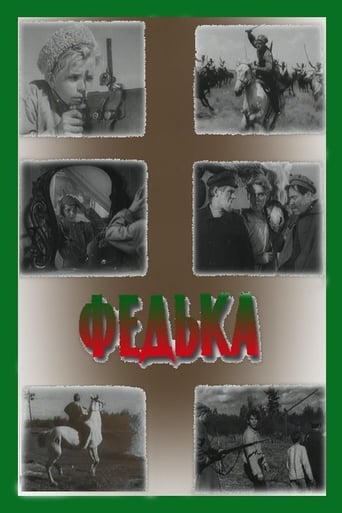
Films
1 film
About Nikolay Rozhdestvensky
This archive lists one role for Nikolay Rozhdestvensky: Fedka (1936). ' which places him squarely in the Stalinist period of Soviet filmmaking. Very little is documented about his career trajectory or personal background, suggesting he may have been a character actor or someone who had a brief appearance in this single film. The fact that his filmography spans only 1936 indicates either a very short career or that records of other potential works have been lost to time. His appearance in 'Fedka' represents his entire documented contribution to cinema, making him one of the more obscure figures from this era of Soviet film history.
The Craft
Milestones
- Appeared in the Soviet film 'Fedka' (1936)
Best Known For
Iconic Roles
Must-See Films
Why They Matter
Impact on Culture
As an actor with only one known film credit from 1936, Nikolay Rozhdestvensky's cultural impact appears to be minimal. His contribution exists as part of the broader tapestry of Soviet cinema during the Stalinist era, a period when the film industry was heavily state-controlled and used as a tool for propaganda and cultural education. Even minor actors like Rozhdestvensky were part of this massive cultural machine that helped shape Soviet identity and values through cinema.
Lasting Legacy
Nikolay Rozhdestvensky's legacy is that of an obscure figure from early Soviet sound cinema, representing the countless actors who appeared in films during this period but left little trace in historical records. His single known film appearance in 'Fedka' (1936) serves as a reminder of how many contributors to cinema history have been lost to time, particularly those from the Soviet era where record-keeping was not always comprehensive or has been difficult to access by Western researchers.
Who They Inspired
Given the limited documentation of his career, there is no evidence of Nikolay Rozhdestvensky having influenced other actors or directors in any significant way. His brief appearance in cinema history appears to have been without lasting impact on subsequent generations of performers.
Off Screen
Very little is documented about the personal life of Nikolay Rozhdestvensky, which is common for minor actors from this era of Soviet cinema who had brief or single film appearances.
Did You Know?
- Appeared in only one known film throughout his entire career
- His film 'Fedka' was produced during Stalin's regime in the Soviet Union
- 1936 was during the early sound era in Soviet cinema
- Many Soviet actors from this period remain obscure due to limited record preservation
- His name 'Nikolay' is a common Russian name meaning 'victory of the people'
Frequently Asked Questions
Who was Nikolay Rozhdestvensky?
Soviet with credits in this catalog.' Very little is documented about his life or career, making him one of the more obscure figures from early Soviet cinema.
What films is Nikolay Rozhdestvensky best known for?
Titles linked here include Fedka (1936).
When was Nikolay Rozhdestvensky born and when did he die?
The birth and death dates of Nikolay Rozhdestvensky are not documented in available historical records, which is common for minor actors from this era of Soviet cinema.
What awards did Nikolay Rozhdestvensky win?
There are no documented awards or nominations for Nikolay Rozhdestvensky, which is typical for actors who had brief or minor roles in Soviet cinema during this period.
What was Nikolay Rozhdestvensky's acting style?
Due to the limited documentation of his work and the fact that only one film credit is known, there is insufficient information to describe Nikolay Rozhdestvensky's specific acting style or techniques.