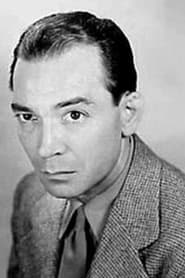
Leonard Strong
Actor
Born: August 12, 1888 in London, England Died: January 8, 1963 Active: 1930s-1950s Birth Name: Leonard Clarence Strong
Films
1 film
About Leonard Strong
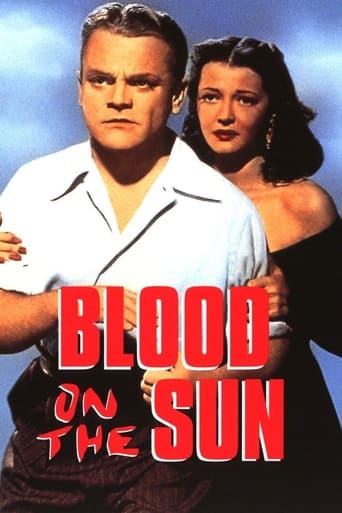
Leonard Clarence Strong — British character actor whose three decades of classic cinema, beginning in the 1930s and continuing through the 1950s. Born in London in 1888, Strong developed a reputation for his versatile performances in both British and Hollywood productions, often portraying authority figures, villains, and exotic foreign characters. His distinctive appearance, characterized by his bald head and prominent mustache, made him instantly recognizable to audiences worldwide. Strong worked extensively with directors including Alfred Hitchcock, appearing in several of his early British thrillers such as The Man Who Knew Too Much (1934) and The 39 Steps (1935). His international career flourished during World War II, where he frequently played German and Japanese antagonists in wartime propaganda films. Despite being typecast in villainous roles, Strong brought depth and nuance to his characters, elevating even minor parts with his commanding presence. His performance in Blood on the Sun (1945) opposite James Cagney showcased his ability to hold his own alongside Hollywood's leading men. Strong continued working in film and television until his death in 1963, leaving behind a legacy of memorable character performances that enriched classic cinema.
The Craft
On Screen
Strong specialized in portraying imposing authority figures and foreign villains with a commanding screen presence. His acting technique combined theatrical training with naturalistic delivery, allowing him to create memorable characters even in limited screen time. He excelled at physical characterization, using his distinctive bald appearance and mustache to create instantly recognizable personas. Strong often employed a deliberate, measured speaking style that added gravitas to his roles, whether playing German officers, Asian officials, or British aristocrats. His ability to switch between menacing and comedic tones made him a versatile character actor.
Milestones
- Breakthrough role in Hitchcock's The Man Who Knew Too Much (1934)
- Memorable performance in The 39 Steps (1935)
- Key role in The Thief of Bagdad (1940)
- Notable performance in Blood on the Sun (1945)
- Extensive work in wartime propaganda films
- Transition to television in the 1950s
Best Known For
Iconic Roles
Must-See Films
Accolades
Special Recognition
- Recognized as one of Britain's most reliable character actors of the 1930s-1950s
Working Relationships
Worked Often With
Studios
Why They Matter
Impact on Culture
Leonard Strong contributed significantly to the golden age of British cinema by providing reliable, memorable character performances that anchored many classic films. His work in Hitchcock's early thrillers helped establish the template for the sophisticated villain that would become a staple of the suspense genre. During World War II, Strong's portrayals of enemy combatants in propaganda films served to boost morale and reinforce wartime narratives, making him an important cultural figure of that era. His ability to transcend national boundaries, working successfully in both British and Hollywood productions, helped bridge the gap between the two film industries during a crucial period of cinema history.
Lasting Legacy
Leonard Strong's legacy endures through his extensive body of work, which continues to be studied and appreciated by film historians and classic cinema enthusiasts. He represents the archetype of the reliable character actor who, while never achieving stardom, provided essential support to countless classic films. His performances in Hitchcock's early masterpieces ensure his place in cinema history, as these films are regularly screened and analyzed. Strong's career demonstrates the importance of character actors in creating the classic cinema, and his work serves as an inspiration to actors specializing in supporting roles.
Who They Inspired
Strong's approach to character acting influenced subsequent generations of British performers who specialized in villainous or authoritative roles. His ability to create memorable characters with limited screen time set a standard for efficiency and impact in supporting performances. The distinctive physical presence and vocal delivery he developed became a template for actors playing similar roles in later decades. His international career path, moving between British and Hollywood productions, demonstrated the possibilities available to character actors with distinctive qualities.
Off Screen
Leonard Strong maintained a relatively private personal life throughout his career, focusing primarily on his craft rather than celebrity. He was known among colleagues as a dedicated professional who took his work seriously but maintained a warm, approachable demeanor off-camera. Despite his frequent portrayal of villains, Strong was well-respected in the film industry for his reliability and versatility. He spent his entire life in London, where he was deeply involved in the theater community before transitioning to film. Strong never married and had no children, dedicating his life entirely to his acting career.
Education
Trained in classical theater and attended acting school in London, though specific educational institutions are not documented in available records.
Did You Know?
- Despite playing many foreign characters, Strong was actually born and raised in London
- His distinctive bald look was natural, not shaved for roles
- He appeared in three Alfred Hitchcock films during the director's British period
- Strong often played characters much older than his actual age
- He was typecast as German villains so frequently that audiences sometimes assumed he was German
- During World War II, he played enemy characters in numerous propaganda films
- His role in Blood on the Sun was one of his few major Hollywood productions
- Strong continued working in British television until shortly before his death
- He never received top billing but was consistently Leonard Strong appeared in supporting roles
- His performances were often without on-screen billing in early films despite having significant parts
In Their Own Words
As a character actor, one learns to make the most of every moment on screen
Villains are often more interesting to play than heroes - they have more motivation
The key to a good supporting role is knowing when to step forward and when to let the leads shine
Frequently Asked Questions
Who was Leonard Strong?
British character with credits in this catalog.
What films is Leonard Strong best known for?
Titles linked here include Blood on the Sun (1945), The Man Who Knew Too Much (1934).
When was Leonard Strong born and when did he die?
Born August 12, 1888; died January 8, 1963.
What awards did Leonard Strong win?
Leonard Strong did not receive major formal awards during his career, though he was recognized as one of Britain's most reliable and versatile character actors of his era.
What was Leonard Strong's acting style?
Strong specialized in creating imposing characters with a commanding presence, using his distinctive bald appearance and measured delivery to portray villains and authority figures with depth and nuance.
Did Leonard Strong work with famous directors?
Yes, Strong worked extensively with Alfred Hitchcock in his early British period and collaborated with other notable directors including Michael Powell and Emeric Pressburger.
Why was Leonard Strong often typecast as a villain?
Strong's distinctive appearance, commanding presence, and ability to portray authority with menace made him ideal for villainous roles, particularly as German and Asian characters during the wartime era.