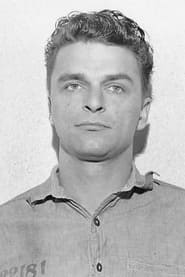
Henry Brandon
Actor
Born: June 8, 1912 in Berlin, Germany Died: February 15, 1990 Active: 1932-1986 Birth Name: Heinrich von Kleinbach
Films
1 film
About Henry Brandon
Henry Brandon, born Heinrich von Kleinbach, was a German-American character actor renowned for his versatile villainous roles across a career spanning five decades. After moving to the United States as a child, he began his film career in the early 1930s, quickly establishing himself as a reliable antagonist in various genres. Brandon's distinctive appearance and commanding voice made him particularly effective in Westerns, where he often portrayed Native American chiefs, Mexican bandits, and other ethnic characters despite his European heritage. He worked extensively with director John Ford, appearing in several of the director's most celebrated Westerns. Beyond Westerns, Brandon showcased his range in horror films, comedies, and dramatic roles, becoming a familiar face to audiences through his prolific television work in the 1950s and 1960s. His ability to transform himself physically and vocally for each role made him one of Hollywood's most dependable character actors, appearing in over 100 films and television shows throughout his career.
The Craft
On Screen
Brandon was known for his chameleon-like ability to transform into various ethnic characters, utilizing his deep, resonant voice and imposing physical presence to create memorable villains. He employed a theatrical yet naturalistic approach, bringing depth and complexity to characters that could have been one-dimensional. His technique involved extensive character study, allowing him to authentically portray diverse ethnicities despite his German background.
Milestones
- Breakthrough role as Barnaby in 'Babes in Toyland' (1934)
- Multiple collaborations with director John Ford
- Memorable villain role as Cicero Grimes in 'The Searchers' (1956)
- Transition to successful television career in the 1950s-60s
- Final film appearance in 'The Last Emperor' (1987)
Best Known For
Iconic Roles
Must-See Films
Accolades
Special Recognition
- Hollywood Walk of Fame star (1980)
Working Relationships
Worked Often With
Studios
Why They Matter
Impact on Culture
Henry Brandon made a significant impact on Hollywood's portrayal of villains and ethnic characters during the Golden Age of cinema. His ability to convincingly portray diverse ethnicities, while controversial by modern standards, was considered remarkable for his time. Brandon's work in John Ford's Westerns helped define the visual and dramatic language of the genre, particularly in establishing the archetype of the complex antagonist. His performances influenced subsequent generations of character actors, demonstrating how supporting roles could elevate a film's dramatic tension and thematic depth.
Lasting Legacy
Henry Brandon's legacy endures through his memorable performances in some of Hollywood's most celebrated films. His contribution to the Western genre, particularly his collaborations with John Ford, remains a significant part of cinema history. Brandon's versatility and professionalism set a standard for character actors, proving that supporting roles could be as impactful as leading performances. Today, film scholars and classic cinema enthusiasts recognize him as one of Hollywood's most reliable and talented character actors, whose work continues to be studied and appreciated.
Who They Inspired
Brandon influenced subsequent generations of character actors through his demonstration of how to create memorable, complex antagonists. His ability to transform himself physically and vocally for diverse roles inspired actors to embrace character work as a serious artistic pursuit. Many contemporary character actors cite Brandon's performances in Ford's Westerns as examples of how to elevate supporting roles through nuanced, detailed performances that serve the story while creating indelible screen characters.
Off Screen
Henry Brandon was known for keeping his personal life relatively private. He emigrated from Germany to the United States with his family as a child, settling in California. Despite his prolific career and distinctive screen presence, he maintained a low public profile off-screen. Brandon was known among his colleagues as a professional and dedicated actor who took his craft seriously, often spending hours preparing for his diverse roles.
Education
Studied acting in Los Angeles after immigrating to the United States
Did You Know?
- Despite often playing Native American characters, Brandon was actually of German descent
- He changed his name from Heinrich von Kleinbach to Henry Brandon early in his career
- Brandon stood 6'2" tall, which contributed to his imposing screen presence
- He spoke fluent German, English, and French
- Brandon appeared in three different versions of 'Babes in Toyland' across different decades
- He was a favorite of director John Ford, who cast him in multiple Westerns
- Brandon worked well into his 70s, appearing in 'The Last Emperor' shortly before his death
- He was a skilled horseman, which served him well in his many Western roles
- Brandon often performed his own stunts, particularly in action sequences
- He was one of the few actors to successfully transition from silent films to sound films to television
In Their Own Words
Playing villains is more interesting than heroes. Villains have reasons for what they do, even if those reasons are twisted.
In Hollywood, if you can play a good villain, you'll never be out of work.
Frequently Asked Questions
Who was Henry Brandon?
German-American character with credits in this catalog. He was particularly famous for his collaborations with director John Ford and his ability to portray diverse ethnic characters despite his European heritage.
What films is Henry Brandon best known for?
Titles linked here include Babes in Toyland (1934), The Searchers (1956).
When was Henry Brandon born and when did he die?
Born June 8, 1912; died February 15, 1990.
What awards did Henry Brandon win?
While Henry Brandon did not receive major acting awards during his career, he was honored with a star on the Hollywood Walk of Fame in 1980, recognizing his significant contributions to the entertainment industry.
What was Henry Brandon's acting style?
Brandon was known for his chameleon-like ability to transform into various characters, using his deep voice and imposing presence to create memorable villains. He employed a theatrical yet naturalistic approach, bringing complexity to roles that could have been one-dimensional.