No Poster
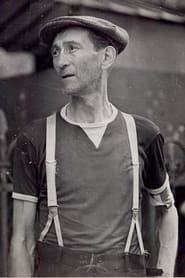
Raymond Aimos
Actor
Born: February 18, 1889 in La Roche-sur-Yon, Vendée, France Died: August 28, 1934 Active: 1912-1934 Birth Name: Raymond Augustin Marie Léon Aymé
Films
3 films
About Raymond Aimos
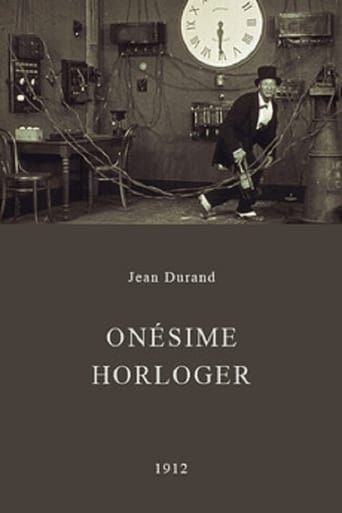
Raymond Aimos, born Raymond Augustin Marie Léon Aymé, was a distinctive French character actor who rose to prominence during the early sound era of French cinema. Despite his brief career, he became recognizable supporting actors in French films of the early 1930s, known for his unique facial features and expressive acting style. Aimos began his career in silent films, appearing in minor roles as early as 1912 in the popular Onésime comedy series, but his breakthrough came with the advent of sound. He worked extensively with prominent directors of the Poetic Realism movement, including Marcel Carné and Julien Duvivier. His most memorable performances often portrayed working-class characters with a blend of pathos and humor. Tragically, his promising career was cut short when he died in a car accident in 1934 at the age of 45. Several of his films were released posthumously, cementing his legacy as one of French cinema's most beloved character actors.
The Craft
On Screen
Known for his distinctive appearance with a round face and expressive eyes, Aimos specialized in portraying working-class characters with authenticity and emotional depth. His acting style combined physical comedy with genuine pathos, making him particularly effective in roles that required both humor and tragedy. He had a natural ability to convey complex emotions through subtle facial expressions, which served him well in the transition from silent to sound films.
Milestones
- Early appearances in Onésime comedy series (1912)
- Breakthrough role in 'La Belle Équipe' (1936, posthumous release)
- Collaboration with director Marcel Carné
- Became a prominent supporting actor in French Poetic Realism films
- Established himself as a recognizable face in 1930s French cinema
Best Known For
Iconic Roles
Must-See Films
Accolades
Special Recognition
- Recognized as one of the iconic faces of French Poetic Realism cinema
- Posthumous appreciation in French film history retrospectives
Working Relationships
Worked Often With
Studios
Why They Matter
Impact on Culture
Raymond Aimos became an iconic figure representing the French working class during a crucial period in French cinema history. His performances helped define the aesthetic of Poetic Realism, a movement that captured the struggles and dignity of ordinary people during the Great Depression. Aimos's distinctive appearance and authentic portrayals made him a recognizable symbol of the era, and his work continues to be studied by film scholars examining the golden age of French cinema.
Lasting Legacy
Despite his short career and early death, Raymond Aimos remains remembered in French cinema for vivid character work. His posthumously released films, particularly 'La Belle Équipe,' have become classics of French cinema, ensuring that his performances continue to be appreciated by new generations. Film historians often cite him as an example of how supporting actors can create lasting cultural impact through memorable characterizations.
Who They Inspired
Aimos influenced subsequent generations of French character actors through his ability to blend comedy with dramatic authenticity. His work in Poetic Realism films helped establish a template for portraying working-class characters with dignity and complexity. Many later French actors, including those of the Nouvelle Vague movement, acknowledged the importance of actors like Aimos in creating a distinctly French cinematic tradition focused on social realism.
Off Screen
Raymond Aimos led a relatively private life outside of his acting career. He was known among his colleagues as a dedicated professional who took his craft seriously despite often being typecast in similar roles. His sudden death at the height of his career shocked the French film industry, and many of his contemporaries spoke of his talent and potential that was cut tragically short.
Education
Family
- Information not widely documented
Did You Know?
- His stage name 'Aimos' was derived from his real surname 'Aymé'
- He appeared in over 40 films during his brief career
- His death occurred in a car accident in Paris
- Several of his most acclaimed films were released after his death
- He was particularly known for his ability to cry on cue
- His distinctive round face made him instantly recognizable to French audiences
- Despite often playing comic roles, he was respected for his dramatic abilities
- He worked during the crucial transition period from silent to sound films in France
- His collaborations with Marcel Carné are considered highlights of French Poetic Realism
- Early in his career, he appeared in the popular Onésime comedy series
In Their Own Words
No widely documented quotes from Raymond Aimos are available in historical records
Frequently Asked Questions
Who was Raymond Aimos?
French character with credits in this catalog. Though his career was cut short by his early death in 1934, he became.
What films is Raymond Aimos best known for?
Titles linked here include La Belle Équipe (1936), Boudu sauvé des eaux (1932).
When was Raymond Aimos born and when did he die?
Born February 18, 1889; died August 28, 1934.
What awards did Raymond Aimos win?
During his lifetime, Raymond Aimos did not receive major formal awards, as his career was cut short. However, he has been posthumously recognized as an important figure in French cinema history, particularly for his contributions to the Poetic Realism movement.
What was Raymond Aimos's acting style?
Aimos was known for his distinctive acting style that combined physical comedy with genuine emotional depth. He specialized in portraying working-class characters with authenticity, using his expressive face and natural ability to convey complex emotions, which made him particularly effective in both silent and sound films.