
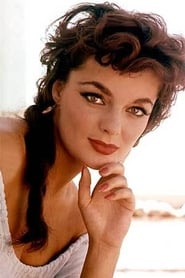
Marilyn Hanold
Actor
Born: June 9, 1938 in New York City, New York, USA Active: 1962-1962
Films
1 film
About Marilyn Hanold
This archive lists one role for Marilyn Hanold: The Brain That Wouldn't Die (1962). Born in 1938, she began her career as a pin-up model, gracing the covers of men's magazines before transitioning to acting. Her most notable role came in 1962 when she starred as the decapitated but living body in the cult horror classic 'The Brain That Wouldn't Die.' Hanold's performance in this film, despite limited screen time due to her character's condition, became among horror film enthusiasts. Her career in film was remarkably brief, spanning essentially just one year, after which she largely disappeared from the entertainment industry. The film itself would go on to achieve cult status decades later, making Hanold a familiar face to fans of vintage horror cinema despite her limited filmography.
The Craft
On Screen
Hanold's acting style was typical of B-movie horror actresses of the early 1960s, characterized by dramatic facial expressions and a theatrical approach suited to the exploitation genre. Her performance in 'The Brain That Wouldn't Die' was particularly notable given the physical constraints of playing a decapitated head, requiring her to convey emotion primarily through facial expressions and voice work.
Milestones
- Starred in the cult horror classic 'The Brain That Wouldn't Die' (1962)
- Successful career as a pin-up model in the early 1960s
- Featured in numerous men's magazines during the early 1960s
Best Known For
Iconic Roles
Must-See Films
Accolades
Special Recognition
- Cult film icon status through 'The Brain That Wouldn't Die'
Working Relationships
Worked Often With
Why They Matter
Impact on Culture
Marilyn Hanold's cultural impact, while limited by her brief career, is significant within cult horror cinema circles. Her role in 'The Brain That Wouldn't Die' has become iconic among B-movie enthusiasts, representing the unique aesthetic and storytelling approach of early 1960s exploitation horror. The film's enduring popularity has ensured that Hanold's image remains recognizable to generations of horror fans, despite her having appeared in only one major film.
Lasting Legacy
Marilyn Hanold's legacy is tied almost exclusively to 'The Brain That Wouldn't Die,' which has become a beloved cult classic. Her portrayal of the decapitated body has become. The film's regular appearances on late-night television and home video releases have introduced Hanold to new audiences decades after its initial release, cementing her status as a cult film icon.
Who They Inspired
While Hanold's brief career limited her direct influence on other performers, her work in 'The Brain That Wouldn't Die' has influenced the portrayal of female characters in horror films, particularly in the exploitation and B-movie subgenres. Her performance demonstrated how actors could create memorable characters even with significant physical limitations, a lesson that has resonated with actors in similar roles in subsequent horror productions.
Off Screen
Marilyn Hanold was known primarily for her modeling work before and after her brief film career. She was one of the more popular pin-up models of the early 1960s, appearing in several men's magazines of the era. After her brief stint in acting, she appears to have largely withdrawn from public life, with little information available about her later years.
Did You Know?
- Marilyn Hanold was primarily known as a pin-up model before her acting career
- Her character in 'The Brain That Wouldn't Die' was one of the first instances of a decapitated but living character in horror cinema
- The film was considered too shocking for its time and was pulled from theaters shortly after release
- Hanold's role required her to perform with her body concealed behind curtains for most of the film
- The movie was re-released multiple times under different titles including 'The Head That Wouldn't Die'
- Her performance was achieved through clever camera angles and special effects for the time
- The film gained cult status decades after its release through midnight movie screenings
- Hanold's modeling career was more extensive than her acting career, spanning multiple magazines
Frequently Asked Questions
Who was Marilyn Hanold?
American actress and model best known for her role in the 1962 cult horror film 'The Brain That Wouldn't Die.' Her career was primarily focused on modeling as a pin-up girl in the early 1960s, with her acting career spanning essentially just one year.
What films is Marilyn Hanold best known for?
Titles linked here include The Brain That Wouldn't Die (1962).
When was Marilyn Hanold born?
Born June 9, 1938; died death date not listed.
What was Marilyn Hanold's role in 'The Brain That Wouldn't Die'?
In 'The Brain That Wouldn't Die,' Hanold played the character of a decapitated body that is kept alive by a mad scientist. Her performance was particularly challenging as she had to convey emotion primarily through facial expressions while her body was concealed.
Why is Marilyn Hanold considered a cult film icon?
Hanold achieved cult film icon status through her memorable role in 'The Brain That Wouldn't Die,' which became a beloved B-movie classic. The film's enduring popularity through midnight screenings and home video releases has made her recognizable to generations of horror fans despite her limited filmography.