Films
1 film
About Georges Thibaut
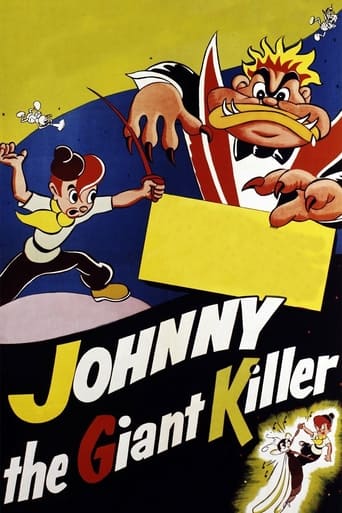
French actor who appeared briefly in cinema during the early 1950s, with his only documented film credit being in the 1950 animated feature 'Johnny the Giant Killer.' As a voice actor in this French production, Thibaut contributed to the early era of European animation, which was still developing its distinctive style and techniques. His involvement in this particular film places him within the context of post-war French cinema, when the industry was rebuilding and exploring new creative avenues. The film itself was a notable French animated production that attempted to compete with American animation dominance during that period. Unfortunately, very little detailed information survives about Thibaut's broader career, personal background, or other potential works, suggesting he may have been a minor character actor or someone who had a very brief stint in the entertainment industry. His single known contribution represents a small but meaningful part of French animation history during its formative years.
The Craft
Milestones
- Voice acting in Johnny the Giant Killer (1950)
Best Known For
Iconic Roles
Must-See Films
Why They Matter
Impact on Culture
Georges Thibaut's cultural impact, while limited in scope, represents the collective contribution of many voice actors and performers who participated in early European animation. His work in 'Johnny the Giant Killer' came during a crucial period when French cinema was establishing its identity in the animation field, attempting to create distinctive content that could compete with American productions. The film itself is remembered as an early example of French feature-length animation, and every contributor, including Thibaut, played a role in this effort. Though his individual contribution may seem minor, it's part of the larger tapestry of European animation history that would eventually flourish in the following decades.
Lasting Legacy
Georges Thibaut's legacy is primarily preserved through his participation in 'Johnny the Giant Killer,' one of the early French animated feature films. While he may not be widely remembered in film history circles, his work contributes to the documentation of French animation's development during the post-war era. The film itself serves as an important artifact of European animation history, and all involved in its creation, including Thibaut, are part of this historical record. His story represents the many actors and artists whose contributions to early cinema, while not extensively documented, were essential to the medium's evolution and growth.
Who They Inspired
Due to the limited documentation of Georges Thibaut's career and the apparent brevity of his time in cinema, there is little concrete evidence of his direct influence on other performers or filmmakers. However, his participation in early French animation places him within the generation of artists who helped establish the foundation for future European animators and voice actors. The work of performers like Thibaut in these productions demonstrated the possibilities of French animation and helped inspire subsequent generations of French and European animators to pursue their own distinctive styles and storytelling approaches.
Off Screen
Very limited information is available about Georges Thibaut's personal life. As an actor with only one documented film credit, he appears to have had either a very brief career in cinema or worked primarily in other areas of entertainment that were not extensively documented. His contribution to French animation, while minor, represents the collaborative efforts of many artists who helped establish the foundation for European animation during the mid-20th century.
Did You Know?
- Johnny the Giant Killer was one of the first French animated feature films
- The film was released in 1950, during the early post-war reconstruction period in France
- French animation of this era was heavily influenced by both American styles and traditional European artistic traditions
- Many voice actors in early European animation were stage actors who transitioned to the new medium
- The film was an attempt by French studios to compete with Disney's dominance in the animation market
- Early French animation often relied on limited voice cast members who performed multiple roles
Frequently Asked Questions
Who was Georges Thibaut?
French voice with credits in this catalog.' He appears to have had a very brief career in cinema with this being his only documented film credit.
What films is Georges Thibaut best known for?
Titles linked here include Johnny the Giant Killer (1950).
When was Georges Thibaut born and when did he die?
Specific birth and death dates for Georges Thibaut are not documented in available film archives, though he was active as an actor in 1950.
What awards did Georges Thibaut win?
There are no documented awards or nominations for Georges Thibaut, which is common for voice actors in early European animation who often worked without formal recognition.
What was Georges Thibaut's acting style?
While specific details about his acting style are not documented, voice actors in early French animation typically employed theatrical techniques adapted for the new medium of sound film.
Why is Georges Thibaut significant in film history?
Thibaut is significant as a contributor to early French animation, representing the many artists who helped establish European animation during its formative years in the post-war era.