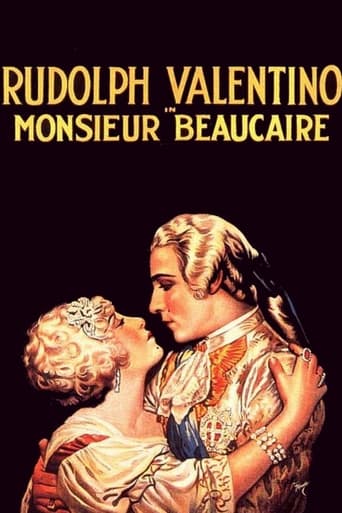
Films
1 film
About Oswald Yorke
British character actor: the transition from Victorian theater to early cinema. Born in London in 1866, he began his career on the stage during the late Victorian era, where he developed a reputation for portraying aristocratic characters and authority figures with gravitas and sophistication. His theatrical background provided him with the classical training and presence that translated well to the emerging medium of film. Yorke's most notable screen appearance came in 1924 when he was cast in the Rudolph Valentino silent film 'Monsieur Beaucaire,' playing the Duke of Winterset, a role that perfectly suited his dignified bearing and refined demeanor. Despite his successful stage career, Yorke's film work was relatively limited, as he remained primarily committed to theater throughout his professional life. His performance in 'Monsieur Beaucaire' demonstrated the ability of classically trained stage actors to adapt their craft for the silent screen, using subtle gestures and expressions to convey character depth. Yorke continued acting until his death in 1943, leaving behind a legacy as a respected character actor who bridged two eras of performance art.
The Craft
On Screen
Classical stage training with emphasis on dignified presence and refined mannerisms, specializing in aristocratic and authority figures with gravitas and sophistication
Milestones
- Stage career in London's West End theaters
- Role as Duke of Winterset in Monsieur Beaucaire (1924)
- Transition from Victorian theater to early cinema
- Known for portraying aristocratic characters
Best Known For
Iconic Roles
Must-See Films
Why They Matter
Impact on Culture
Oswald Yorke represents the generation of classically trained British actors who successfully transitioned from the Victorian stage to early cinema. His work in 'Monsieur Beaucaire' alongside Rudolph Valentino exemplified the international nature of early Hollywood productions, which often drew talent from European theatrical traditions. Yorke's ability to adapt his stage craft for the silent screen demonstrated the versatility required of actors during this transitional period in entertainment history.
Lasting Legacy
Though his filmography was limited, Oswald Yorke's legacy lies in his embodiment of the bridge between 19th-century theatrical traditions and 20th-century cinema. His performance in 'Monsieur Beaucaire' serves as an example of how stage actors brought their classical training to early films, helping establish acting techniques that would influence future generations of film performers. He represents the often-overlooked character actors who provided essential support to leading stars in silent cinema.
Who They Inspired
As a character actor from the classical tradition, Yorke influenced subsequent generations of British actors in film by demonstrating how theatrical techniques could be effectively adapted for the screen. His work helped establish the archetype of the British character actor that would become prominent in Hollywood films throughout the Golden Age.
Off Screen
Private individual who dedicated his life to the performing arts. Details about his personal life are scarce, as was common for actors of his era who maintained a separation between their professional and private lives. His active years covered significant periods of change in both theater and cinema, from the Victorian era through the early days of Hollywood's Golden Age.
Education
Classical theatrical training in London during the Victorian era
Did You Know?
- Primarily a stage actor with limited film appearances
- Appeared in the same film as silent film superstar Rudolph Valentino
- His active years covered from the Victorian era through World War II
- Specialized in aristocratic roles due to his dignified appearance
- Part of the wave of British actors who worked in early Hollywood
- His film career coincided with the transition from silent films to talkies
- was one of his few but significant film appearances
- Represented the classical training approach to acting in early cinema
Frequently Asked Questions
Who was Oswald Yorke?
British character with credits in this catalog. He is best known for his role as the Duke of Winterset in the 1924 silent film 'Monsieur Beaucaire' starring Rudolph Valentino.
What films is Oswald Yorke best known for?
Titles linked here include Monsieur Beaucaire (1924).
When was Oswald Yorke born and when did he die?
Born 1866; died 1943.
What awards did Oswald Yorke win?
There are no recorded awards or honors specifically attributed to Oswald Yorke. As a character actor of his era, formal recognition systems like modern award shows were not yet established during the peak of his career.
What was Oswald Yorke's acting style?
Yorke employed classical stage techniques with emphasis on dignified presence and refined mannerisms. He specialized in portraying aristocratic characters and authority figures, using the gravitas and sophistication developed through his Victorian-era theatrical training.
Did Oswald Yorke work with any famous actors?
Yes, Oswald Yorke appeared alongside silent film superstar Rudolph Valentino in 'Monsieur Beaucaire' (1924). This collaboration represented the international nature of early Hollywood productions that often featured European-trained actors.
Was Oswald Yorke primarily a stage or film actor?
Oswald Yorke was primarily a stage actor who had a limited but notable film career. His main work was in London's West End theaters, with 'Monsieur Beaucaire' being one of his few but significant film appearances.