Arthur Ripley
Director
Born: January 12, 1897 in New York City, New York, USA Died: February 13, 1961 Active: 1925-1958 Birth Name: Arthur James Ripley
Films
1 film
About Arthur Ripley
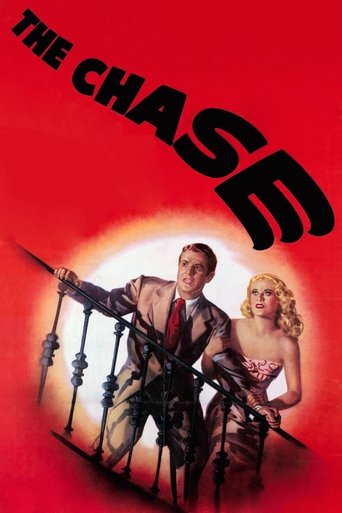
Made significant contributions to film noir and crime dramas during Hollywood's Golden Age. Born in New York City in 1897, Ripley began his career in the film industry as a screenwriter in the 1920s, crafting scripts for numerous silent and early sound films before transitioning to directing in the 1930s. His most acclaimed directorial work came with 'The Chase' (1946), a gritty film noir starring Robert Cummings and Michele Morgan that showcased his mastery of atmospheric tension and psychological complexity. Throughout his career, Ripley developed a reputation for creating moody, suspenseful narratives that explored the darker aspects of human nature, often working with limited budgets but achieving impressive artistic results. He continued directing into the 1950s, with his later work including the cult favorite 'Thunder Road' (1958), which demonstrated his ability to adapt to changing cinematic trends while maintaining his distinctive visual style. Ripley's over three decades, during which he directed more than 20 films and wrote screenplays for dozens more, leaving an indelible mark on American crime cinema.
The Craft
Behind the Camera
Arthur Ripley's directing style was characterized by moody atmospherics, psychological tension, and a keen eye for urban decay. He favored low-key lighting and shadow play to create a sense of moral ambiguity and existential dread, techniques that became hallmarks of film noir. Ripley often employed subjective camera angles and disorienting compositions to reflect his characters' psychological states, creating a visual language that blurred the line between reality and perception. His pacing was deliberate and methodical, building suspense gradually through careful editing and sound design rather than relying on action sequences.
Milestones
- Directed 'The Chase' (1946), considered a film noir masterpiece
- Wrote screenplay for 'The Story of Temple Drake' (1933)
- Directed 'Thunder Road' (1958), a cult classic
- Transitioned successfully from screenwriter to director
- Pioneered psychological thriller elements in film noir
Best Known For
Must-See Films
Accolades
Won
- Writers Guild of America Award nomination for Best Written American Drama
Nominated
- Academy Award nomination for Best Adapted Screenplay for 'The Story of Temple Drake' (1933)
- Directors Guild of America Award nomination for Outstanding Directorial Achievement
Special Recognition
- Retrospective screenings at Film Noir Festival
- Cited in film studies textbooks for contributions to noir genre
Working Relationships
Worked Often With
Studios
Why They Matter
Impact on Culture
Arthur Ripley's work significantly influenced the development of film noir as a distinct genre in American cinema. His 1946 film 'The Chase' is frequently cited by film scholars as a prime example of noir's psychological complexity and visual sophistication, helping establish conventions that would define the genre for decades. Ripley's exploration of themes such as identity crisis, moral ambiguity, and the dark underbelly of American society resonated with post-war audiences and continues to influence contemporary filmmakers working in neo-noir. His ability to create atmospheric tension with limited resources demonstrated that artistic vision could triumph over budgetary constraints, inspiring independent filmmakers for generations. The psychological depth of his characters and the moral complexity of his narratives helped elevate crime dramas from simple entertainment to serious artistic expression.
Lasting Legacy
Arthur Ripley's legacy in film history is primarily preserved through his contributions to film noir and his influence on subsequent generations of filmmakers. While not as widely recognized as some of his contemporaries, his work has experienced a critical reevaluation in recent decades, with 'The Chase' being restored and screened at international film festivals. Film scholars and critics now recognize Ripley as an important figure in the development of psychological thriller elements in American cinema. His techniques for creating suspense and atmosphere are studied in film schools, and his work continues to inspire directors working in crime and thriller genres. The cult status of 'Thunder Road' has ensured that his name remains familiar to classic film enthusiasts, while his earlier noir works have gained appreciation through home video releases and streaming platforms.
Who They Inspired
Arthur Ripley influenced numerous filmmakers through his innovative approach to psychological storytelling and visual atmosphere. His work in film noir particularly inspired directors like Robert Aldrich, who incorporated similar themes of moral ambiguity and psychological tension in films such as 'Kiss Me Deadly'. French New Wave directors, including Jean-Pierre Melville, studied Ripley's techniques for creating urban atmosphere and existential dread. Contemporary directors working in neo-noir, such as David Lynch and Christopher Nolan, have drawn on Ripley's methods for blurring reality and perception through visual style. His emphasis on character psychology over plot mechanics influenced the development of character-driven crime dramas in American cinema, moving the genre away from simple procedural storytelling toward more complex explorations of human nature.
Off Screen
Arthur Ripley maintained a relatively private personal life despite his Hollywood career. He was married to actress and screenwriter June Haver, though the marriage ended in divorce. Ripley was known among colleagues as an intellectual who enjoyed literature and philosophy, interests that often influenced his film themes. He lived primarily in Los Angeles during his active years in Hollywood, where he was part of the creative community that shaped American cinema during the Golden Age. His later years were marked by declining health, though he remained interested in film projects until his death.
Education
Attended Columbia University, studied literature and philosophy
Family
- June Haver (1947-1950)
Did You Know?
- Arthur Ripley started his career as a journalist before moving to Hollywood
- He wrote over 30 screenplays before directing his first film
- The Chase (1946) was based on a novel by Cornell Woolrich, a prolific noir writer
- Ripley often used the same cinematographer, Franz Planer, for his noir films
- Thunder Road (1958) was one of the first films to explore the topic of moonshining in Appalachia
- He was known for rewriting scripts extensively, sometimes completely changing the story
- Ripley — member of the Communist Party in the 1930s, which affected his career during the Red Scare
- His films often featured protagonists suffering from amnesia or identity crises
- He preferred working with lower budgets, believing it forced more creative solutions
- Ripley's final film, Thunder Road, became a cult favorite among drive-in movie audiences
In Their Own Words
In film noir, the shadows are as important as the light - they represent the darkness in human nature
A good thriller doesn't need explosions, it needs the fear of what might happen next
The best crime stories are about ordinary people pushed to extraordinary circumstances
Atmosphere is character - the environment should reflect the internal state of the protagonist
Budget limitations are just creative opportunities in disguise
Frequently Asked Questions
Who was Arthur Ripley?
American on YTB.my. He directed the acclaimed noir thriller 'The Chase' (1946) and later the cult favorite 'Thunder Road' (1958).
What films is Arthur Ripley best known for?
Titles linked here include The Chase (1946), Thunder Road (1958).
When was Arthur Ripley born and when did he die?
Born January 12, 1897; died February 13, 1961.
What awards did Arthur Ripley win?
Arthur Ripley received a Writers Guild of America Award nomination for Best Written American Drama and was nominated for an Academy Award for Best Adapted Screenplay for 'The Story of Temple Drake' (1933).
What was Arthur Ripley's directing style?
Ripley's directing style emphasized psychological tension, moody atmospherics, and visual sophistication. He pioneered techniques in film noir including low-key lighting, subjective camera angles, and gradual suspense building through careful editing and sound design.
How did Arthur Ripley influence cinema?
Ripley significantly influenced the development of film noir through his psychological approach to crime dramas. His techniques for creating atmosphere and exploring moral ambiguity inspired subsequent generations of filmmakers, from French New Wave directors to contemporary neo-noir creators.
What challenges did Arthur Ripley face in his career?
Ripley faced career difficulties during the Hollywood Red Scare due to his earlier political associations, which limited his access to major studio projects. He also worked with frequently limited budgets, which he turned into creative advantages through innovative filmmaking techniques.