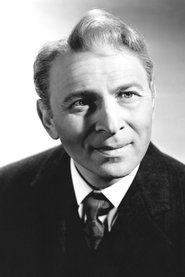
Morris Carnovsky
Actor
Born: October 5, 1897 in St. Louis, Missouri, USA Died: September 1, 1992 Active: 1924-1985
Films
2 films

About Morris Carnovsky
American actor: over seven decades, primarily known for his powerful stage performances with the Group Theatre in the 1930s. Born to Russian Jewish immigrants, Carnovsky developed his craft at the American Laboratory Theatre and became one of the founding members of the Group Theatre, where he originated roles in productions like 'Awake and Sing!' and 'Golden Boy.' His transition to film was limited but impactful, with notable performances in movies such as 'Dishonored Lady' (1947) and 'Cyrano de Bergerac' (1950), where he often portrayed intellectual or authority figures. Carnovsky's career was severely disrupted during the Red Scare when he was blacklisted by Hollywood studios after refusing to cooperate with the House Un-American Activities Committee. Despite this setback, he returned to the stage and eventually made a comeback to Broadway in the 1960s, earning critical acclaim for his Shakespearean performances. Later in life, he appeared in films like 'The Last Tycoon' (1976) and 'The Stunt Man' (1980), demonstrating his remarkable versatility and endurance as a performer. Carnovsky's legacy endures as proof of artistic integrity and the power of classical acting technique.
The Craft
On Screen
Carnovsky — proponent of the Stanislavski system, known for his intense, psychologically complex performances that combined intellectual depth with emotional authenticity. His approach emphasized thorough character analysis and the creation of fully realized, three-dimensional personalities. He was particularly noted for his ability to convey intellectual authority and moral complexity through subtle vocal inflections and controlled physical presence.
Milestones
- Founding member of the Group Theatre (1931)
- Originated role in 'Awake and Sing!' (1935)
- Blacklisted during McCarthy era (1950s)
- Broadway comeback in 'The Merchant of Venice' (1962)
- Final film role in 'The Stunt Man' (1980)
Best Known For
Iconic Roles
Must-See Films
Accolades
Won
- Tony Award for Best Featured Actor in a Play (1964) - 'The Merchant of Venice'
Nominated
- Tony Award nomination for Best Actor (1963) - 'Tartuffe'
Special Recognition
- Inducted into the American Theatre Hall of Fame (1979)
- Obie Award for Lifetime Achievement (1985)
Working Relationships
Worked Often With
Studios
Why They Matter
Impact on Culture
Morris Carnovsky's impact on American theater and film extends far beyond his on-screen performances. As a founding member of the Group Theatre, he helped revolutionize American acting by introducing and adapting the Stanislavski system to American sensibilities. His refusal to cooperate with HUAC made him a symbol of artistic integrity during one of America's darkest periods for creative freedom. The techniques he helped develop at the Group Theatre would later evolve into what became known as 'method acting,' influencing generations of performers from Marlon Brando to Al Pacino. His successful return to Broadway after being blacklisted demonstrated the resilience of artistic talent over political persecution.
Lasting Legacy
Carnovsky's legacy is that of a consummate craftsman who prioritized artistic truth over commercial success. He is remembered as. His career serves as a powerful reminder of the price many artists paid during the Red Scare, while also showing how true talent can endure beyond political witch hunts. The Group Theatre techniques he helped pioneer continue to influence American acting training today, and his performances remain studied examples of psychological realism in acting.
Who They Inspired
Carnovsky influenced American theater primarily through his work with the Group Theatre, where he helped establish the foundation for method acting in the United States. His approach to character analysis and psychological authenticity became standard practice in American actor training. Many prominent actors who followed, including members of the Actors Studio, built upon techniques that Carnovsky and his Group Theatre colleagues first introduced to American theater. His ability to transition between classical and contemporary roles demonstrated the versatility that would become a hallmark of American acting training.
Off Screen
Carnovsky was married to actress Phoebe Brand for over 50 years, and both were members of the Group Theatre. The couple faced political persecution together during the McCarthy era, with both being blacklisted from film and television work. They had two children, including son Stephen Carnovsky who also became an actor. Despite the professional challenges they faced, the couple remained committed to their craft and their political beliefs throughout their lives.
Education
Washington University in St. Louis (studied engineering before switching to drama), American Laboratory Theatre (studied under Maria Ouspenskaya and Richard Boleslavsky)
Family
- Phoebe Brand (1940-1992)
Did You Know?
- Was one of the original 28 members of the Group Theatre in 1931
- Studied engineering at Washington University before switching to drama
- Both he and his wife Phoebe Brand were blacklisted during the McCarthy era
- Made his Broadway debut in 1924 in 'The Man Who Stayed at Home'
- Spent several years teaching acting after being blacklisted from films
- Was fluent in Russian and Yiddish
- Appeared in over 50 Broadway productions throughout his career
- His final Broadway appearance was in 'The Emperor Henry IV' in 1973
- Was a member of the Communist Party in the 1930s and 1940s
- Received a standing ovation at the 1985 Obie Awards when receiving his lifetime achievement award
In Their Own Words
Acting is not about being emotional, but about being truthful to the emotion of the character.
The Group Theatre wasn't just about putting on plays; it was about changing American theater forever.
Being blacklisted was painful, but it couldn't silence the truth of what we believed in as artists.
Shakespeare taught me that great acting transcends time and politics.
The stage is where actors find their truth; film is where they share it with the world.
Frequently Asked Questions
Who was Morris Carnovsky?
American stage and film with credits in this catalog. He excelled in psychological realism who helped introduce the Stanislavski system to American theater and influenced generations of actors through his teaching and performances.
What films is Morris Carnovsky best known for?
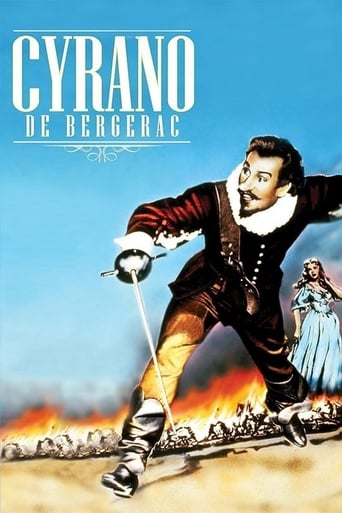
Titles linked here include Dishonored Lady (1947), Cyrano de Bergerac (1950).
When was Morris Carnovsky born and when did he die?
Born October 5, 1897; died September 1, 1992.
What awards did Morris Carnovsky win?
Carnovsky won a Tony Award for Best Featured Actor in a Play for his performance as Shylock in 'The Merchant of Venice' in 1964. He also received an Obie Award for Lifetime Achievement in 1985 and was inducted into the American Theatre Hall of Fame in 1979.
What was Morris Carnovsky's acting style?
Carnovsky — proponent of the Stanislavski system, known for his intense, psychologically complex performances that combined intellectual depth with emotional authenticity. His approach emphasized thorough character analysis and was influential in developing what became known as method acting in America.