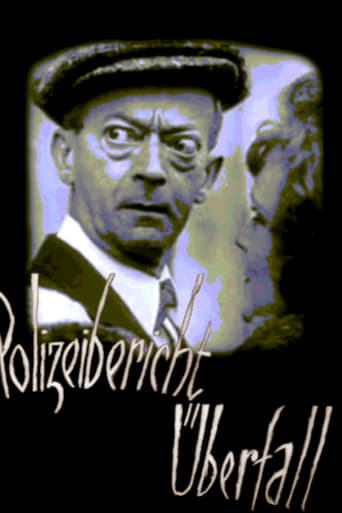
Films
1 film
About Ernö Metzner
Hungarian film director active during the final years of the silent film era. His only known directorial work was the 1928 German film 'Unfall' (Accident), which stands as his sole contribution to cinema history. Little is documented about his life beyond this single film, suggesting he may have been part of the broader European film community that worked in Germany during the Weimar period. The film itself was produced during a transitional time in cinema, just before the widespread adoption of sound technology that would revolutionize the industry. Metzner's brief appearance in film history coincides with the golden age of German Expressionist cinema, though his work does not appear to be associated with that movement. His career, like many European filmmakers of the era, may have been disrupted by the political and social upheavals of the 1930s. Despite the scarcity of information about him, his work represents the international nature of early European cinema.
The Craft
Behind the Camera
Limited information available, but worked during the transition from silent to sound films in Germany
Milestones
- Directed 'Unfall' (Accident) in 1928
- Worked during the late German silent film era
Best Known For
Must-See Films
Why They Matter
Impact on Culture
Ernö Metzner's impact on cinema history is minimal due to his extremely brief career and limited filmography. His work represents one of the countless individual contributions to the European silent cinema, particularly the German film industry of the late 1920s. His single film 'Unfall' serves as a historical artifact from the final years of silent filmmaking in Germany, just before the industry-wide transition to sound. While not a major figure in film history, Metzner's work exemplifies the international nature of early European cinema, with filmmakers moving between countries and contributing to various national film industries.
Lasting Legacy
Ernö Metzner's legacy is primarily that of a footnote in film history, representing the many lesser-known directors who contributed to the silent era. His work is studied mainly by film historians specializing in the transition period between silent and sound cinema in Germany. The fact that his only known work survives in historical records demonstrates the importance of film preservation and documentation, even for relatively obscure filmmakers. Metzner's career serves as a reminder of the vast number of artists who participated in early cinema but whose names have been largely forgotten by mainstream film history.
Who They Inspired
Due to the limited scope of his work and the scarcity of information about his career, Ernö Metzner's influence on other filmmakers or the broader development of cinema appears to be minimal. His work may be of interest to scholars studying the final years of German silent cinema, but there is no evidence of direct influence on subsequent generations of filmmakers or specific cinematic movements.
Off Screen
Very little information is available about Ernö Metzner's personal life. He appears to have been of Hungarian origin but worked in the German film industry during the late 1920s. Like many European filmmakers of his era, his career was likely affected by the political changes and economic challenges of the 1930s.
Did You Know?
- Ernö Metzner directed only one known film in his entire career
- His film 'Unfall' (Accident) was made in 1928, just before the transition to sound cinema
- Despite being Hungarian, he worked in the German film industry
- His active years covered only a single year according to available records
- Very little biographical information exists about him in film archives
- His work represents the international nature of European silent cinema
- He was active during the final years of the Weimar Republic's golden age of cinema
Frequently Asked Questions
Who was Ernö Metzner?
Hungarian on YTB.my. His career appears to have been extremely brief, with only this single film credited to his name.
What films is Ernö Metzner best known for?
Titles linked here include Unfall (Accident) (1928).
When was Ernö Metzner born and when did he die?
Specific birth and death dates for Ernö Metzner are not available in historical records. He is known to have been of Hungarian origin and was active as a director in 1928, but further biographical details remain undocumented.
What awards did Ernö Metzner win?
There are no records of Ernö Metzner receiving any major awards or nominations for his work. Given his brief career and single film credit, he does not appear to have been recognized by the major film award institutions of his time.
What was Ernö Metzner's directing style?
Very little is known about Ernö Metzner's directing style due to the limited availability of his work and the scarcity of documentation about his approach. His single film was made during the transition period from silent to sound cinema in Germany.