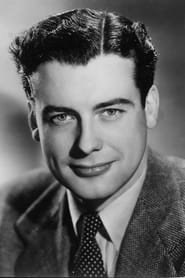
Richard Greene
Actor
Born: August 25, 1918 in Plymouth, Devon, England Died: June 1, 1985 Active: 1934-1985 Birth Name: Richard Marius Joseph Greene
Films
1 film
About Richard Greene
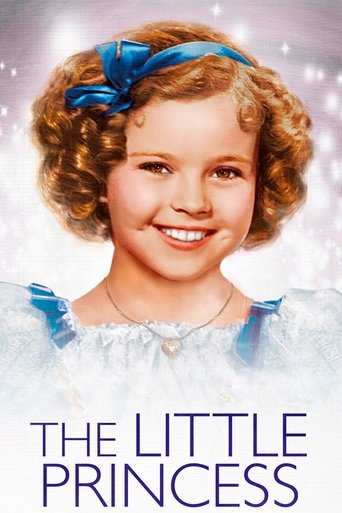
Richard Marius Joseph Greene — British actor who achieved international fame during Hollywood's Golden Age. Born in Plymouth, Devon, he began his career in British cinema before being discovered by 20th Century Fox talent scouts and brought to Hollywood in 1938. His American breakthrough came with his role as Captain Reginald Crewe in Shirley Temple's 'The Little Princess' (1939), where his handsome appearance and refined British charm made him an instant leading man. During World War II, he served with distinction in the Royal Air Force, earning the Flying Cross for his service. After the war, he returned to acting and found his greatest fame starring as Robin Hood in the highly successful television series 'The Adventures of Robin Hood' (1955-1958), which ran for 143 episodes and made him a household name worldwide. Greene continued working in film and television through the 1960s and 1970s, though never recapturing the height of his earlier popularity. He remained active in the entertainment industry until his death from a heart attack in 1985, leaving behind a legacy as one of Britain's most successful international film stars.
The Craft
On Screen
Richard Greene was known for his classic British leading man style, characterized by refined diction, polished mannerisms, and understated emotional delivery. He brought a natural elegance and aristocratic bearing to his roles, whether playing historical figures or romantic leads. His acting approach was rooted in traditional stage techniques but adapted well to the intimacy of film and television. Greene possessed a commanding screen presence that combined physical handsomeness with a gentle, approachable demeanor, making him particularly effective in heroic and romantic roles. His performances were marked by a smooth, controlled delivery that emphasized charm and sophistication over raw emotional intensity.
Milestones
- Signed by 20th Century Fox and brought to Hollywood (1938)
- Starred in 'The Little Princess' with Shirley Temple (1939)
- Served in Royal Air Force during WWII, earned Flying Cross
- Starred as Robin Hood in 'The Adventures of Robin Hood' TV series (1955-1958)
- Received star on Hollywood Walk of Fame (1960)
- Appeared in over 50 films and television shows throughout career
Best Known For
Iconic Roles
Must-See Films
Accolades
Won
- Flying Cross (World War II military decoration)
- Hollywood Walk of Fame Star (1960, Television category)
Nominated
- Primetime Emmy Award for Best Actor in a Leading Role (Continuing Character) in a Dramatic Series (1957)
Special Recognition
- Hollywood Walk of Fame Star at 7095 Hollywood Boulevard
- Named one of Britain's top box office stars in the 1950s
- Recognized by British Film Institute for contributions to cinema
Working Relationships
Worked Often With
Studios
Why They Matter
Impact on Culture
Richard Greene significantly impacted both British and American cinema, serving as a bridge between the two industries during Hollywood's Golden Age. His portrayal of Robin Hood in the 1950s television series became the definitive interpretation of the character for an entire generation, influencing countless subsequent adaptations and establishing the template for the heroic outlaw archetype. Greene's success demonstrated the viability of British actors in American leading roles, paving the way for future British stars in Hollywood. His television work helped establish the medium as a legitimate platform for serious dramatic performances, contributing to the evolution of television from experimental technology to mainstream entertainment. The international success of 'The Adventures of Robin Hood' made Greene one of the first true global television stars, with his image recognized across Europe, North America, and beyond.
Lasting Legacy
Richard Greene's lasting legacy lies in his portrayal of Robin Hood, which remains one of television's most beloved interpretations of the hero. His career exemplifies the transition from Hollywood's studio system to the television era, making him a pivotal figure in entertainment history. Greene demonstrated that British actors could achieve mainstream success in American productions while maintaining their cultural identity. His work helped establish the template for action-adventure television programming, influencing countless series that followed. Beyond his on-screen achievements, Greene's wartime service added depth to his public persona, making him a respected figure both as an entertainer and as a veteran. His films continue to be featured on classic movie channels, introducing new generations to his distinctive brand of British elegance and charm.
Who They Inspired
Richard Greene influenced subsequent generations of actors through his successful transition from film to television, demonstrating that serious dramatic work could thrive in the new medium. His refined, understated acting style provided an alternative to more theatrical approaches, influencing British actors who sought international careers. Many later Robin Hood adaptations, including Disney's animated version and various television remakes, drew inspiration from Greene's interpretation of the character. His success in maintaining a career across different media and markets served as a model for actors seeking longevity in the entertainment industry. Greene's ability to balance commercial appeal with artistic integrity influenced how leading men approached their careers, particularly in managing both film and television opportunities.
Off Screen
Richard Greene had a complex personal life marked by multiple marriages and relationships. He married Belgian actress Patricia Medina in 1941, with whom he had a daughter, but the marriage ended in divorce in 1951. He later married Beatrice Summers in 1954, which also ended in divorce. Greene was known for his charm and good looks, which made him popular with female co-stars and audiences alike. In his later years, he struggled with alcoholism but maintained his professional commitments. He was an avid cricket player and enjoyed outdoor activities. Greene spent his final years in Norfolk, England, where he died of a heart attack at age 66.
Education
Educated at St. George's College in Weybridge, Surrey, and later studied at the Royal Academy of Dramatic Art (RADA) in London
Family
- Patricia Medina (1941-1951)
- Beatrice Summers (1954-1960)
- Fiona Hesketh (1970-1985)
Did You Know?
- He was a direct descendant of the famous Irish revolutionary Robert Emmet
- During WWII, he flew over 30 combat missions as a pilot in the Royal Air Force
- He was an accomplished cricketer and played for the Actors Cricket Club
- Turned down the role of James Bond in 'Dr. No' (1962)
- His height was 6'1" (185 cm), making him taller than most leading men of his era
- He was considered for the role of Ashley Wilkes in 'Gone with the Wind'
- His Robin Hood series was one of the first American television shows filmed in England
- He spoke fluent French, which helped him in European film markets
- His contract dispute with 20th Century Fox led to his return to Britain during WWII
- The Adventures of Robin Hood was
In Their Own Words
Playing Robin Hood wasn't just a job, it was about embodying an ideal of justice and fairness that people still believe in today.
The transition from film to television wasn't as difficult as some predicted. Good acting is good acting, regardless of the size of the screen.
My time in the RAF during the war taught me more about character and leadership than any acting role ever could.
Frequently Asked Questions
Who was Richard Greene?
British with credits in this catalog. He was one of the first British actors to successfully transition between British and American film industries.
What films is Richard Greene best known for?
Titles linked here include The Little Princess (1939), The Hound of the Baskervilles (1939).
When was Richard Greene born and when did he die?
Born August 25, 1918; died June 1, 1985.
What awards did Richard Greene win?
Richard Greene received the Flying Cross for his service in the Royal Air Force during World War II, earned a star on the Hollywood Walk of Fame in 1960, and was nominated for a Primetime Emmy Award for his work on 'The Adventures of Robin Hood' in 1957.
What was Richard Greene's acting style?
Richard Greene's acting style was characterized by refined British elegance, understated emotional delivery, and polished diction. He brought a natural aristocratic bearing to his roles, combining physical handsomeness with a gentle, approachable demeanor that made him particularly effective in heroic and romantic leading roles.
Did Richard Greene serve in the military?
Yes, Richard Greene served with distinction in the Royal Air Force during World War II, flying over 30 combat missions and earning the Flying Cross for his bravery and service.
Why is Richard Greene's Robin Hood significant?
Richard Greene's portrayal of Robin Hood in the 1955-1958 television series became the definitive interpretation of the character for an entire generation, establishing the template for heroic action-adventure television and making Greene one of the first truly global television stars.