Films
1 film
About Lazar Frenkel
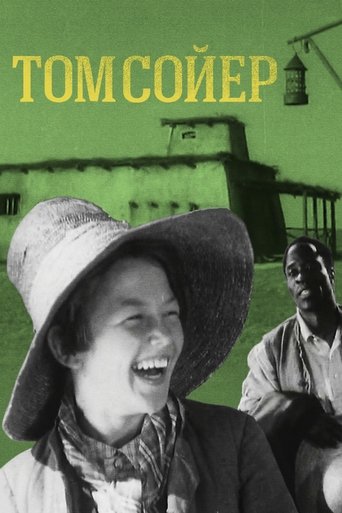
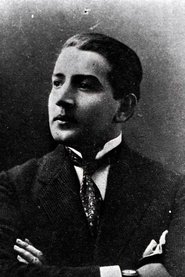
Film director active during the mid-1930s, known primarily for his 1936 adaptation 'Tom Soyer.' Very little documented information exists about his broader career, suggesting he may have been a one-time filmmaker or worked primarily in regional cinema industries. His single known directorial credit indicates he was working during the transition from silent films to sound cinema, a period of significant technological and artistic change in the film industry. The choice to adapt Mark Twain's classic character suggests Frenkel had an interest in literary adaptations, which was common among directors of this era seeking to bring familiar stories to the screen. His brief appearance in film history records makes him representative of the many filmmakers whose contributions to early cinema have been largely lost to time.
The Craft
Behind the Camera
Limited information available, but known for literary adaptation with 'Tom Soyer' (1936)
Milestones
- Directed 'Tom Soyer' (1936)
Best Known For
Must-See Films
Why They Matter
Impact on Culture
Due to the extremely limited documentation of Lazar Frenkel's work, his specific cultural impact is difficult to assess. His 1936 adaptation of 'Tom Soyer' represents one of many early film interpretations of Mark Twain's beloved character, contributing to the ongoing cinematic tradition of bringing classic literature to the screen. His work exemplifies the numerous regional and international filmmakers who operated outside the major Hollywood studio system during cinema's formative decades.
Lasting Legacy
Lazar Frenkel's legacy is primarily that of an obscure figure from early cinema history, representing the countless directors whose contributions have been largely undocumented or lost to time. His single known work serves as a reminder of the vast, unrecorded history of global filmmaking during the early sound era. While not a major figure in film history, his existence highlights the international scope of early cinema and the many voices that contributed to its development.
Who They Inspired
Due to the lack of documented information about Lazar Frenkel's broader career and influence, his specific impact on other filmmakers or the development of cinema cannot be determined with certainty.
Off Screen
Very little documented information exists about Lazar Frenkel's personal life, family background, or circumstances outside of his single known film work.
Did You Know?
- Lazar Frenkel directed only one known film, 'Tom Soyer' in 1936
- The film title 'Tom Soyer' appears to be a variant spelling of Mark Twain's character 'Tom Sawyer'
- His career appears to have been extremely brief, with activity only documented for the year 1936
- Very little biographical information about Frenkel survives in film history records
- His work represents the many obscure filmmakers who operated outside major studio systems during early cinema
Frequently Asked Questions
Who was Lazar Frenkel?
on YTB.my.' Very little documented information exists about his life or career beyond this single film credit.
What films is Lazar Frenkel best known for?
Titles linked here include Tom Soyer (1936).
When was Lazar Frenkel born and when did he die?
Birth and death dates for Lazar Frenkel are not documented in available film history records, reflecting the obscure nature of his career in cinema.
What awards did Lazar Frenkel win?
No awards or nominations for Lazar Frenkel are documented in available film history records, which is common for directors who worked outside major studio systems during this era.
What was Lazar Frenkel's directing style?
Very limited information is available about Lazar Frenkel's directing style, as only one film is attributed to him. His choice to adapt 'Tom Soyer' suggests an interest in literary material, which was common among early filmmakers.