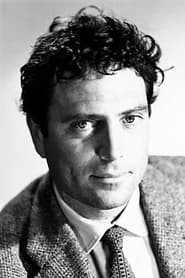
Raf Vallone
Actor
Born: February 17, 1918 in Tropea, Calabria, Italy Died: October 31, 2002 Active: 1942-2002 Birth Name: Raffaele Vallone
Films
1 film
About Raf Vallone
Raf Vallone, born Raffaele Vallone, was an Italian actor who transitioned from a successful career as a professional footballer to become one of Italy's most respected performers. He rose to international prominence in the late 1940s with his powerful performance in Giuseppe De Santis' neorealist masterpiece 'Bitter Rice' (1949), which established him as a leading man in Italian cinema. Throughout the 1950s and 1960s, Vallone became a bridge between Italian and international film industries, working with acclaimed directors like Luchino Visconti, Michelangelo Antonioni, and Sidney Lumet. His most famous role came in Vittorio De Sica's 'Two Women' (1960) opposite Sophia Loren, where his portrayal of Giovanni showcased his ability to convey deep emotional complexity. Vallone successfully crossed over to Hollywood, appearing in major productions such as 'The Cardinal' (1963), 'The Agony and the Ecstasy' (1965), and 'The Godfather Part III' (1990) in his later years. His five decades, during which he appeared in over 100 films, establishing himself as a versatile character actor capable of playing both romantic leads and complex antagonists. Vallone's dignified presence and intense acting style made him a fixture in international cinema until his death in 2002.
The Craft
On Screen
Vallone was known for his intense, naturalistic acting style that combined raw physical presence with emotional depth. His background as an athlete contributed to his commanding screen presence and ability to convey strength and vulnerability simultaneously. He excelled in portraying complex, often tormented characters, bringing a sense of authenticity and gravitas to every role. Vallone's performances were characterized by subtle facial expressions and a restrained yet powerful delivery that made him particularly effective in dramatic roles.
Milestones
- Professional football career with Torino and Novara
- Breakthrough role in 'Bitter Rice' (1949)
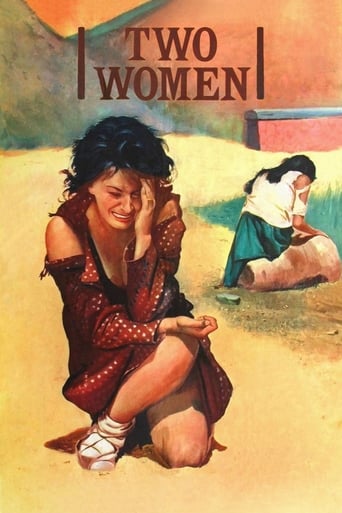
- International acclaim for 'Two Women' (1960)
- Hollywood crossover success in the 1960s
- Final appearance in 'The Godfather Part III' (1990)
- Award-winning stage career in Italy and internationally
Best Known For
Iconic Roles
Must-See Films
Accolades
Won
- Nastro d'Argento for Best Actor for 'Bitter Rice' (1949)
- Golden Gate Award for Best Actor at San Francisco International Film Festival (1959)
- David di Donatello Special Award (1991)
- Golden Lion for Lifetime Achievement at Venice Film Festival (1991)
Nominated
- BAFTA Award for Best Foreign Actor for 'The Rose Tattoo' (1956)
- Academy Award consideration for 'Two Women' (supporting category)
- Golden Globe nomination for 'The Cardinal' (1964)
Special Recognition
- Commander of the Order of Merit of the Italian Republic
- Knight Grand Cross of the Order of Merit of the Italian Republic
- Venice Film Festival Career Achievement Award
- Taormina International Film Festival Golden Mask for Lifetime Achievement
Working Relationships
Worked Often With
Studios
Why They Matter
Impact on Culture
Raf Vallone played a crucial role in bridging Italian neorealism with international cinema, helping to bring Italian stories and sensibilities to global audiences. His transition from sports to entertainment symbolized the post-war transformation of Italian society, where traditional careers gave way to artistic expression. Vallone's success in both Italian and Hollywood productions demonstrated the growing international appeal of European cinema in the mid-20th century. He became an ambassador of Italian culture abroad, representing the country's artistic renaissance during its economic boom years.
Lasting Legacy
Raf Vallone's legacy endures as one of Italy's most versatile and internationally recognized actors. He helped establish the template for the modern European leading man who could succeed in both art house and commercial cinema. His performances in neorealist classics remain studied in film schools worldwide as examples of naturalistic acting. Vallone's career trajectory from athlete to international star inspired generations of European actors seeking global recognition while maintaining their cultural identity. His later role in 'The Godfather Part III' introduced him to new audiences and cemented his place in cinema history.
Who They Inspired
Vallone influenced subsequent generations of Italian actors by demonstrating that it was possible to maintain artistic integrity while achieving commercial success internationally. His naturalistic acting style contributed to the evolution of screen acting away from theatrical traditions toward more realistic performances. He paved the way for other European actors like Marcello Mastroianni and Jean-Paul Belmondo to cross over to international productions. Vallone's commitment to quality filmmaking regardless of genre or language set a standard for artistic professionalism in the film industry.
Off Screen
Raf Vallone married actress Elena Varzi in 1952, and their marriage lasted 50 years until his death. The couple had three children: Arabella, Eleonora, and Francesco Vallone, with Arabella also becoming an actress. Despite his international success, Vallone maintained strong ties to his Italian roots and was known for his intellectual pursuits, including writing poetry and essays. He was deeply involved in Italian cultural life and often spoke about the importance of preserving Italian cinema's artistic integrity.
Education
University of Turin (Law Degree), Liceo Classico education
Family
- Elena Varzi (1952-2002)
Did You Know?
- Before acting, Vallone — professional footballer who played for Torino FC in Serie A
- He earned a law degree from the University of Turin before pursuing acting
- Vallone — published poet and wrote several books of poetry
- He spoke fluent Italian, English, French, and Spanish
- His performance in 'Bitter Rice' was without on-screen billing in some initial releases
- Vallone turned down the lead role in 'La Strada' (1954)
- He was originally cast as Michael Corleone in 'The Godfather' but was replaced by Al Pacino
- Vallone — passionate supporter of Italian cinema and often served on festival juries
- He maintained homes in Rome, Paris, and New York throughout his career
- His daughter Arabella appeared with him in several films later in his career
In Their Own Words
Cinema is not just entertainment; it is the mirror of society and the conscience of our times.
The actor must disappear into the character, but never lose his own truth.
Coming from sports taught me discipline - the most important tool an actor can possess.
Italian cinema taught the world how to find beauty in everyday life and tragedy in ordinary people.
I never chose between art and commerce; I chose good stories, regardless of their origin.
Frequently Asked Questions
Who was Raf Vallone?
Renowned Italian with credits in this catalog. He gained international fame through films like 'Bitter Rice' and 'Two Women', bridging Italian neorealism with international cinema.
What films is Raf Vallone best known for?
Titles linked here include Two Women (1960), Bitter Rice (1949).
When was Raf Vallone born and when did he die?
Born February 17, 1918; died October 31, 2002.
What awards did Raf Vallone win?
Vallone won the Nastro d'Argento for Best Actor for 'Bitter Rice', a Golden Gate Award for Best Actor, the David di Donatello Special Award, and the Golden Lion for Lifetime Achievement at Venice Film Festival.
What was Raf Vallone's acting style?
Vallone was known for his intense, naturalistic acting style combining physical presence with emotional depth. He excelled at portraying complex, tormented characters with authenticity and gravitas, using subtle expressions and restrained yet powerful delivery.
Did Raf Vallone have a sports career?
Yes, before acting Vallone — professional footballer who played for Torino FC and Novara in Italy's top Serie A league, demonstrating his athletic prowess before transitioning to cinema.
How did Raf Vallone influence Italian cinema?
Vallone helped bridge Italian neorealism with international cinema, proving Italian actors could succeed globally while maintaining cultural identity. His naturalistic style influenced subsequent generations of European actors seeking international recognition.