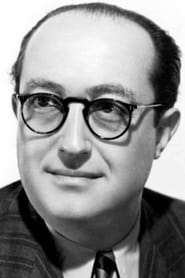
Henry Koster
Director
Born: May 1, 1905 in Berlin, Germany Died: September 21, 1988 Active: 1932-1966 Birth Name: Hermann Kosterlitz
Films
1 film
About Henry Koster
Henry Koster, born Hermann Kosterlitz, was a German-American film director who became one of Hollywood's most reliable and successful directors during the Golden Age. Born in Berlin in 1905, he began his career as a screenwriter in Germany before transitioning to directing. After the rise of the Nazi regime, Koster, who was Jewish, fled Germany in 1933, first moving to France and then to Hungary before eventually settling in Hollywood in 1936. His American directorial debut was 'Three Smart Girls' (1936), which launched Deanna Durbin's career and saved Universal Studios from bankruptcy. Koster directed over 40 films in his career, working with major stars like Cary Grant, James Stewart, and Danny Kaye. He was particularly known for his expertise in comedy and family entertainment, though he also successfully directed dramas and religious epics. His three decades, from the 1930s through the 1960s, during which he established himself excelled in gentle, humanistic storytelling that appealed to mainstream audiences.
The Craft
Behind the Camera
Henry Koster was known for his gentle, humanistic approach to filmmaking, with a particular talent for comedy and family entertainment. His directing style emphasized warmth, charm, and emotional sincerity, often focusing on stories that reinforced traditional values while maintaining a light touch. Koster excelled at working with comedic actors, allowing them space for improvisation while maintaining tight narrative control. His visual style was clean and unobtrusive, serving the story rather than drawing attention to technique. He had a remarkable ability to balance humor with genuine emotion, creating films that were both entertaining and touching. Koster's direction of actors was characterized by patience and encouragement, helping many stars deliver some of their most memorable performances.
Milestones
- Directed 'Three Smart Girls' (1936) which launched Deanna Durbin and saved Universal Studios
- Directed 'The Bishop's Wife' (1947) starring Cary Grant and Loretta Young
- Directed 'Harvey' (1950) with James Stewart, which became a beloved classic
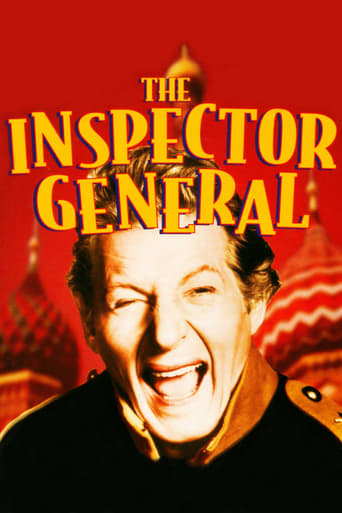
- Directed 'The Inspector General' (1950) starring Danny Kaye
- Directed 'The Robe' (1953), the first film released in CinemaScope
- Received Academy Award nomination for Best Director for 'The Bishop's Wife'
- Successfully transitioned from silent films to talkies and to widescreen formats
Best Known For
Must-See Films
Accolades
Won
- Academy Award nomination for Best Director for 'The Bishop's Wife' (1947)
- Golden Globe nomination for Best Director for 'The Bishop's Wife' (1947)
- Directors Guild of America Award nomination for Outstanding Directorial Achievement for 'The Bishop's Wife' (1947)
Nominated
- Academy Award nomination for Best Director for 'The Bishop's Wife' (1947)
- Golden Globe nomination for Best Director for 'The Bishop's Wife' (1947)
- Directors Guild of America Award nomination for Outstanding Directorial Achievement for 'The Bishop's Wife' (1947)
- Writers Guild of America nomination for Best Written American Comedy for 'The Inspector General' (1950)
Special Recognition
- Hollywood Walk of Fame star at 6421 Hollywood Boulevard
- Honored by the Directors Guild of America for his contributions to American cinema
- Retrospective exhibitions of his work at film festivals and cinematheques
- Named one of Universal Studios' most important directors in studio history
Working Relationships
Worked Often With
Studios
Why They Matter
Impact on Culture
Henry Koster significantly shaped American family entertainment during Hollywood's Golden Age, creating films that became cultural touchstones for generations. His work with Deanna Durbin essentially created the teen musical genre and helped establish Universal Studios as a major player. 'The Bishop's Wife' and 'Harvey' became perennial Christmas favorites, influencing how holiday films were conceived and produced. As the director of 'The Robe,' the first CinemaScope film, Koster played a crucial role in the widescreen revolution that transformed cinema in the 1950s. His films consistently promoted values of family, community, and moral integrity during a period of significant social change in America. Koster's ability to blend comedy with genuine emotion influenced subsequent generations of family film directors, and his work remains a reference point for gentle, humanistic storytelling in cinema.
Lasting Legacy
Henry Koster's legacy endures through his beloved films that continue to entertain audiences decades after their release. He is remembered as a director's director who could work across genres while maintaining his distinctive humanistic touch. His films are frequently studied for their masterful balance of comedy and pathos, and 'Harvey' in particular has become a cultural phenomenon that transcends its era. Koster's role in CinemaScope technology cemented his place in film history beyond his artistic contributions. The consistency of quality across his extensive filmography established him as one of Hollywood's most reliable craftsmen. His influence can be seen in the work of later directors who specialize in family entertainment and gentle comedies. Film scholars often cite Koster as an example of how European cinematic sensibilities successfully adapted to and enriched Hollywood's storytelling traditions.
Who They Inspired
Henry Koster influenced numerous filmmakers through his mastery of tone and his ability to work effectively with comedic actors. His gentle approach to directing actors, particularly in comedy, became a model for directors working with star performers. The success of his family-friendly films helped establish the economic viability of G-rated entertainment in Hollywood. Koster's work with Deanna Durbin influenced the development of the teen musical genre, which would later evolve into the rock and roll musicals of the 1950s and 1960s. His adaptation of literary works like 'Harvey' demonstrated how stage plays could be successfully cinematicized while preserving their essential charm. Directors like Frank Capra and George Stevens shared similar humanistic approaches, and together they created a distinct American cinema of moral clarity and emotional warmth. Contemporary directors of family comedies often cite Koster's films as inspiration for their work.
Off Screen
Henry Koster married actress Peggy Moran in 1942, and their marriage lasted until his death in 1988. The couple had two children, a son named Robert and a daughter named Catherine. Koster was known for being a devoted family man who maintained a stable home life despite the pressures of Hollywood. He became a naturalized American citizen in 1942 and was proud of his adopted country. After retiring from directing in 1966, he spent his remaining years writing, painting, and enjoying time with his family. He was also known for his wit and storytelling abilities, often entertaining friends and colleagues with tales from his long career in films.
Education
Educated in Berlin, Germany; studied art and literature before entering the film industry as a scriptwriter
Family
- Peggy Moran (1942-1988)
Did You Know?
- Changed his name from Hermann Kosterlitz to Henry Koster when he came to America
- Fled Germany after being warned by a friend that the Nazis had put him on a death list
- His first American film 'Three Smart Girls' was made on a tiny budget but saved Universal Studios from bankruptcy
- Was one of the few directors who successfully worked with both Deanna Durbin and Danny Kaye
- Directed the first-ever CinemaScope film, 'The Robe' (1953)
- Was colorblind, which sometimes created challenges on color film sets
- Spoke five languages fluently: German, English, French, Hungarian, and Italian
- His wife Peggy Moran appeared in several of his early films
- Was known for never using foul language on set, maintaining a gentlemanly demeanor
- After retiring from directing, he became an accomplished painter
- Was friends with Albert Einstein, who was a fan of his films
- Turned down directing 'The Sound of Music' because he wanted to retire
In Their Own Words
I never made a picture I didn't believe in, and I never made a picture that wasn't honest.
Comedy is serious business. You have to be absolutely serious about being funny.
The secret to directing is knowing how to get out of the way of talented people.
I came to America with nothing but my talent and my determination. Hollywood gave me everything else.
Making a family film is the hardest thing in the world because you have to please everyone from age 6 to 60.
The best special effect is a good story well told.
I learned that in Hollywood, you can be replaced tomorrow, so you better do your best today.
Frequently Asked Questions
Who was Henry Koster?
German-American on YTB.my. Born Hermann Kosterlitz in Berlin, he fled Nazi Germany and became one of Universal Studios' most successful directors, known for family comedies and dramas like 'The Bishop's Wife' and 'Harvey'.
What films is Henry Koster best known for?
Titles linked here include The Bishop's Wife (1947), Harvey (1950).
When was Henry Koster born and when did he die?
Born May 1, 1905; died September 21, 1988.
What awards did Henry Koster win?
Henry Koster received an Academy Award nomination for Best Director for 'The Bishop's Wife' (1947). He also earned Golden Globe and Directors Guild of America nominations for the same film. While he didn't win competitive Oscars, he received a Hollywood Walk of Fame star for his contributions to cinema.
What was Henry Koster's directing style?
Koster's directing style was characterized by warmth, humanism, and a gentle touch. He excelled at family entertainment and comedy, emphasizing emotional sincerity while maintaining narrative control. His visual approach was clean and unobtrusive, always serving the story and allowing actors to shine.
How did Henry Koster impact Hollywood?
Koster saved Universal Studios from bankruptcy with his debut film 'Three Smart Girls,' launched Deanna Durbin's career, and directed the first CinemaScope film 'The Robe.' He helped establish the family comedy genre and created enduring holiday classics that continue to influence filmmakers today.
Did Henry Koster work with any famous actors?
Yes, Koster worked with many of Hollywood's biggest stars including Cary Grant ('The Bishop's Wife'), James Stewart ('Harvey'), Danny Kaye ('The Inspector General'), Richard Burton ('The Robe'), and Lana Turner. He had a reputation for bringing out the best in comedic actors.
Why did Henry Koster leave Germany?
Koster left Germany in 1933 after the Nazis came to power. As a Jew, he was warned that he was on a death list. He fled first to France, then Hungary, before eventually settling in Hollywood where he rebuilt his career and became a successful American director.