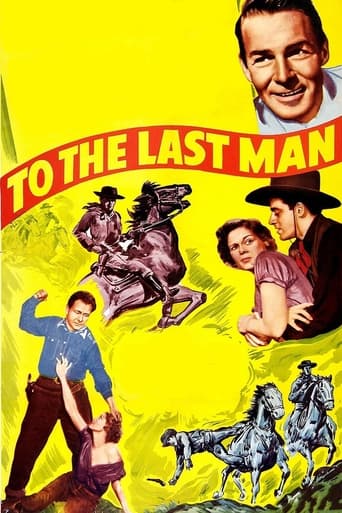
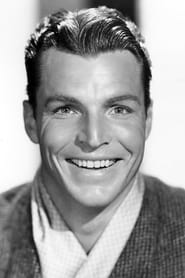
Buster Crabbe
Actor
Born: February 7, 1908 in Oakland, California, USA Died: April 23, 1983 Active: 1930-1958 Birth Name: Clarence Linden Crabbe II
Films
2 films
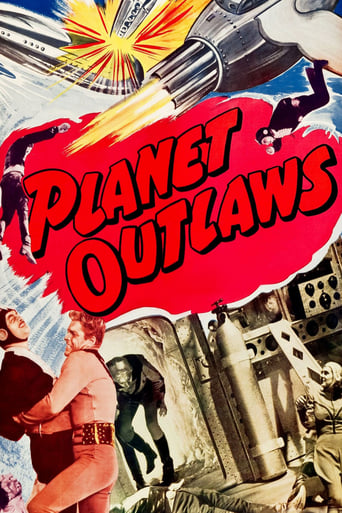
About Buster Crabbe
Buster Crabbe began his remarkable career as an Olympic swimmer, winning a gold medal in the 400-meter freestyle at the 1932 Los Angeles Olympics before transitioning to acting. His athletic prowess and striking good looks caught the attention of Hollywood studios, leading to his first major role as Tarzan in 'Tarzan the Fearless' (1933). Crabbe achieved his greatest fame portraying science fiction heroes, most notably as Flash Gordon in the Universal serials (1936) and Buck Rogers (1939), becoming the definitive face of both characters for generations of fans. Throughout the 1940s and 1950s, he starred in numerous Westerns, B-movies, and serials, often playing athletic, heroic characters that capitalized on his physical abilities. Despite being typecast in action roles, Crabbe developed a loyal fan following and became recognizable serial stars of the Golden Age. His over three decades, with appearances in more than 100 films before he transitioned to television in the 1950s and later became a successful businessman. Crabbe's legacy as both an Olympic champion and Hollywood icon remains unique in entertainment history.
The Craft
On Screen
Crabbe's acting style was characterized by his physical athleticism and straightforward, earnest delivery. His swimming background gave him remarkable physical presence and stamina, allowing him to perform his own stunts in action sequences. While not known for subtle emotional range, Crabbe excelled at portraying heroic, determined characters with a sense of earnest conviction that resonated with audiences of serials and adventure films. His acting was direct and unpretentious, fitting perfectly for the larger-than-life characters he portrayed.
Milestones
- 1932 Olympic Gold Medal in 400m freestyle swimming
- First major role as Tarzan in 'Tarzan the Fearless' (1933)
- Starred as Flash Gordon in Universal serials (1936)
- Portrayed Buck Rogers in serial (1939)
- Appeared in over 100 films during career
- Transitioned successfully to television in 1950s
- Inducted into International Swimming Hall of Fame (1965)
Best Known For
Iconic Roles
Must-See Films
Accolades
Won
- 1932 Olympic Gold Medal - 400m Freestyle Swimming
- 1932 Olympic Bronze Medal - 1500m Freestyle Swimming
Nominated
- Academy Award consideration for Best Actor (1933) for Tarzan the Fearless
Special Recognition
- Hollywood Walk of Fame Star (1960)
- International Swimming Hall of Fame Inductee (1965)
- Olympic Hall of Fame Inductee
- Golden Palm Star on Palm Springs Walk of Stars
Working Relationships
Worked Often With
Studios
Why They Matter
Impact on Culture
Buster Crabbe had a profound cultural impact as one of the first science fiction heroes in cinema, helping establish the visual template for space adventure characters. His portrayal of Flash Gordon and Buck Rogers introduced millions of Americans to science fiction during the 1930s, predating the space race by decades and inspiring future generations of filmmakers and astronauts. Crabbe's athletic representation of these heroes created the archetype of the physically capable space adventurer that influenced everything from Star Trek to Star Wars. His serials were among the first to regularly feature space travel, alien worlds, and advanced technology on screen, making him a pioneer in science fiction cinema. Beyond his genre impact, Crabbe represented the ideal of the all-American hero during the Great Depression and World War II eras, embodying strength, courage, and moral certainty that resonated with audiences seeking escapism and inspiration.
Lasting Legacy
Buster Crabbe's legacy encompasses both athletic and cinematic achievements that remain unique in entertainment history. As the only actor to portray Tarzan, Flash Gordon, and Buck Rogers - three of the most iconic adventure characters - he holds a distinctive place in pop culture history. His Flash Gordon serials continue to be referenced and homaged in modern media, from George Lucas's Star Wars to contemporary comic book adaptations. Crabbe's Olympic achievements alongside his Hollywood success made him a role model for the concept of the scholar-athlete, demonstrating excellence in both sports and entertainment. His influence extends to the physical fitness movement of the 1950s and beyond, as he used his celebrity to promote swimming and health. Today, film historians and science fiction enthusiasts recognize Crabbe as a foundational figure who helped establish many conventions of the genre that persist in modern cinema.
Who They Inspired
Crabbe influenced countless actors in the action and science fiction genres through his portrayal of physically capable heroes. His athletic approach to stunts and action sequences set a standard that actors like Harrison Ford and Chris Evans would later emulate. His work in serials influenced the structure of modern action films and television series, particularly in the use of cliffhangers and serialized storytelling. Crabbe's success as an Olympic athlete turned actor paved the way for other athletes like Jim Thorpe, Johnny Weissmuller, and more recently, Dwayne Johnson to transition to entertainment careers. His portrayal of science fiction heroes helped establish the visual language of space adventure that continues to influence costume design, spacecraft design, and character archetypes in contemporary science fiction productions.
Off Screen
Buster Crabbe was married twice and had three children. His first marriage to Helen Virginia Bennett ended in divorce in 1947. He later married Adela Virginia 'Vicky' Anderson in 1948, with whom he remained until his death. After retiring from acting, Crabbe became a successful businessman, operating a swimming pool company and later a chain of swimming schools. He remained physically active throughout his life and continued swimming regularly well into his later years. Crabbe died of a heart attack at his home in Scottsdale, Arizona, at age 75.
Education
University of Southern California (USC) - Graduated 1930, competed for USC Trojans swimming team
Family
- Helen Virginia Bennett (1933-1947)
- Adela Virginia 'Vicky' Anderson (1948-1983)
Did You Know?
- Was nicknamed 'Buster' by his sister who couldn't pronounce 'brother'
- Was the first person to swim the 100-yard freestyle in under a minute
- Competed in both the 1928 and 1932 Olympic Games
- Turned down the role of Tarzan in MGM's 1932 film, which went to Johnny Weissmuller
- His Flash Gordon serials were so popular they were re-released multiple times in theaters
- Served in the Army Air Corps during World War II
- Owned and operated a successful swimming pool business after retiring from acting
- Appeared on a Wheaties cereal box in 1932
- His son Cullen Crabbe also became an actor
- Was an accomplished water polo player in addition to swimming
- Made a brief appearance as himself in the film 'The Last Time I Saw Paris' (1954)
- His Flash Gordon costume was so iconic it was later worn by Steve Reeves in 'Hercules' films
In Their Own Words
I've been a swimmer, a Tarzan, a Flash Gordon, a Buck Rogers, and a Billy the Kid. What more could a man ask for?
Acting was just another competition for me. I approached it like I approached swimming - give it everything you've got.
Flash Gordon was more fun than anything. We knew it was corny, but we had a great time making it, and the kids loved it.
Being Tarzan was physically demanding, but nothing compared to Olympic training. At least in movies you could do multiple takes.
I never considered myself a great actor, but I was a great athlete who could act well enough to entertain people.
Frequently Asked Questions
Who was Buster Crabbe?
American with credits in this catalog. He appeared in over 100 films and was.
What films is Buster Crabbe best known for?
Titles linked here include Flash Gordon (1936 serial), Flash Gordon's Trip to Mars (1938).
When was Buster Crabbe born and when did he die?
Born February 7, 1908; died April 23, 1983.
What awards did Buster Crabbe win?
Crabbe won a gold medal in the 400-meter freestyle and a bronze medal in the 1500-meter freestyle at the 1932 Los Angeles Olympics. He also received a Hollywood Walk of Fame star and was inducted into the International Swimming Hall of Fame.
What was Buster Crabbe's acting style?
Crabbe's acting style was characterized by his physical athleticism and straightforward, earnest delivery. He excelled at portraying heroic characters with conviction and performed most of his own stunts, leveraging his Olympic swimming background to create believable action sequences.
How did Buster Crabbe transition from swimming to acting?
After his Olympic success in 1932, Crabbe's athletic physique and good looks attracted Hollywood attention. He was discovered by a talent scout while working as a swimming instructor and began his film career with 'Tarzan the Fearless' in 1933, quickly becoming a leading man in action and adventure films.