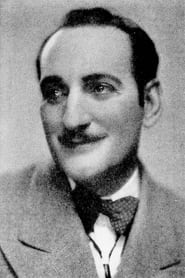
Theodore Lorch
Actor
Born: November 29, 1873 in New York City, New York, USA Died: November 12, 1947 Active: 1915-1942
Films
1 film
About Theodore Lorch
Prolific American character actor: nearly three decades of classic cinema, from the silent era through the early sound period. Born in New York City in 1873, Lorch began his film career in the mid-1910s and quickly established himself as a reliable supporting actor known for his imposing presence and authoritative demeanor. Theodore appears in over 200 films between 1915 and 1942, working with virtually every major studio of the era including Universal, Paramount, and MGM. Lorch specialized in playing stern authority figures, military officers, judges, and villains, often bringing gravitas to even the smallest roles. His distinctive appearance, with his tall stature and commanding features, made him instantly recognizable to audiences of the time. During the transition to sound films, Lorch successfully adapted his career and continued finding steady work, though often in uncredited roles. He remained active in Hollywood until his death in 1947, leaving behind a substantial body of work that, while often uncredited, contributed significantly to the texture of Golden Age cinema.
The Craft
On Screen
Theodore Lorch was known for his authoritative and imposing screen presence, specializing in roles that required gravitas and stern demeanor. His acting style was typical of the theatrical approach common in silent films, emphasizing clear physical expressions and commanding body language. Lorch had a particular talent for playing authority figures with conviction, whether as military officers, judges, or antagonistic characters. In sound films, he adapted his style to include a deep, resonant voice that complemented his visual authority, though his roles often became smaller as he aged.
Milestones
- Appeared in over 200 films during his career
- Successfully transitioned from silent films to talkies
- Worked with major studios including Universal, Paramount, and MGM
- Established himself as a reliable authority figure typecast
- Maintained steady employment through the Great Depression era
Best Known For
Iconic Roles
Must-See Films
Working Relationships
Worked Often With
Studios
Why They Matter
Impact on Culture
Theodore Lorch represents the essential backbone of Golden Age Hollywood cinema - the reliable character actor who brought depth and authenticity to countless films. While never a star, his contributions to over 200 films helped create the classic cinema that audiences still enjoy today. Lorch's ability to embody authority and gravitas made him an invaluable asset to directors seeking to establish tone and conflict in their productions. His career exemplifies the journey of many working actors of his era who adapted to massive technological changes in the industry, from silent films to sound, maintaining their relevance through versatility and professionalism.
Lasting Legacy
Theodore Lorch's legacy lies in his substantial body of work that continues to be discovered by classic film enthusiasts. His performances, though often in supporting or uncredited roles, contributed to the success of many classic films that are now considered cinema treasures. Lorch represents the era of character actors who specialized in creating memorable impressions with limited screen time, a tradition that continues in contemporary cinema. His career shows the importance of supporting players in creating immersive and believable film worlds.
Who They Inspired
As a character actor, Theodore Lorch influenced subsequent generations of actors who specialized in authority roles. His ability to convey authority and sternness with minimal dialogue or screen time became a template for similar character types in later films. While not a household name, his work ethic and adaptability during the transition from silent to sound films provided a model for working actors facing industry changes. Lorch's career demonstrates how character actors could build lasting careers through reliability and versatility rather than stardom.
Off Screen
Theodore Lorch led a relatively private life away from the Hollywood spotlight. Despite his lengthy career in films, little detailed information is available about his personal relationships or family life. He maintained steady employment throughout his career, suggesting he was a reliable and professional actor valued by directors and studios. Lorch never achieved star status but built a respectable career as a working character actor, which was a common and respected path in Golden Age Hollywood.
Did You Know?
- Despite appearing in over 200 films, many of his roles were uncredited
- He was often typecast as military officers due to his imposing stature
- Lorch successfully made the transition from silent films to talkies
- He worked with legendary horror director James Whale in 'The Bride of Frankenstein'
- His active years covered both World Wars, during which he often played military characters
- He appeared in films starring virtually every major male lead of the 1930s
- Many of his films have been preserved by the Library of Congress
- He was part of the stable of character actors that studios relied on for consistency
- His final film appearance was in 1942, five years before his death
- Despite his New York birth, he became closely associated with Hollywood westerns
Frequently Asked Questions
Who was Theodore Lorch?
Screen credits include over 200 films during the silent era and Golden Age of Hollywood, specializing in authority figures and villains.
What films is Theodore Lorch best known for?
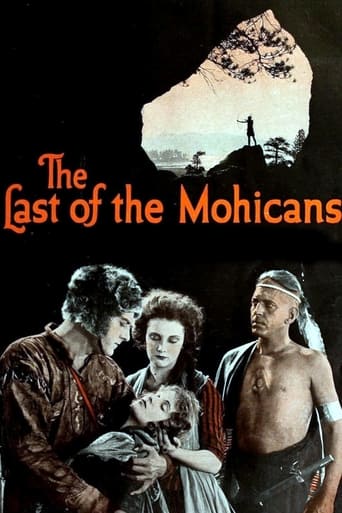
Titles linked here include The Last of the Mohicans (1920), The Black Cat (1934).
When was Theodore Lorch born and when did he die?
Born November 29, 1873; died November 12, 1947.
What awards did Theodore Lorch win?
Theodore Lorch did not receive any major awards or nominations during his career, which was typical for character actors of his era who often worked in supporting or uncredited roles.
What was Theodore Lorch's acting style?
Lorch was known for his authoritative and imposing presence, specializing in stern authority figures with a theatrical style that emphasized clear physical expressions and commanding demeanor.