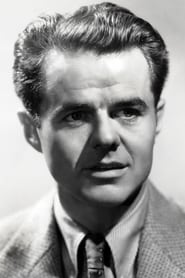
Elisha Cook Jr.
Actor
Born: December 26, 1903 in San Francisco, California, USA Died: May 18, 1995 Active: 1930-1988 Birth Name: Elisha Vanslyck Cook Jr.
Films
1 film
About Elisha Cook Jr.
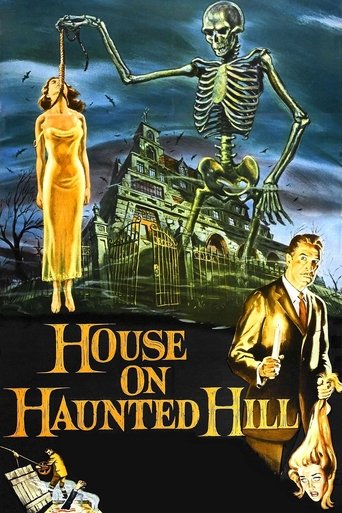
Elisha Cook Jr. Was one of Hollywood's most prolific character actors, specializing in nervous, twitchy, and often villainous roles that made him an unforgettable presence in film noir and classic cinema. Born in San Francisco in 1903, he began his career on Broadway before transitioning to films in the 1930s, quickly establishing himself as the quintessential 'weasel' character audiences loved to hate. His breakthrough came with his chilling performance as the gunsel Wilmer in 'The Maltese Falcon' (1941), which cemented his typecast but highly successful career trajectory. Cook appeared in over 200 films and television shows throughout his six-decade career, working with directors like John Huston, Howard Hawks, and Stanley Kubrick. Despite often playing small roles, his intense, high-strung performances left lasting impressions, particularly in noir classics like 'The Big Sleep' (1946) and 'The Killing' (1956). His later career saw him transition to television and horror films, including his memorable role in 'House on Haunted Hill' (1959). Cook retired from acting in the 1980s after a remarkable career that made him recognizable faces in American cinema, even if audiences rarely knew his name.
The Craft
On Screen
Cook perfected the art of the high-strung, nervous character with his distinctive twitchy mannerisms, rapid-fire speech patterns, and perpetually anxious demeanor. His physical acting included nervous tics, sweaty brow, and shifty eyes that perfectly embodied the weaselly, cowardly characters he portrayed. Despite being typecast, Cook brought depth and humanity to even his most despicable roles, often eliciting audience sympathy through his vulnerable performances. His technique emphasized subtlety and restraint, using small gestures and facial expressions to convey complex emotions of fear, guilt, and desperation.
Milestones
- Broadway debut in 1926
- Film debut in 'Her Unborn Child' (1930)
- Breakthrough role in 'The Maltese Falcon' (1941)
- Memorable performance in 'The Big Sleep' (1946)
- Critical acclaim in 'The Killing' (1956)
- Iconic role in 'House on Haunted Hill' (1959)
- Final film appearance in 'Tango & Cash' (1989)
Best Known For
Iconic Roles
Must-See Films
Accolades
Special Recognition
- Hollywood Walk of Fame star (1988)
- Film Noir Foundation Lifetime Achievement Award (posthumous)
Working Relationships
Worked Often With
Studios
Why They Matter
Impact on Culture
Elisha Cook Jr. Became an archetype in American cinema, defining the nervous, weaselly character type that appeared in countless film noir and crime dramas. His distinctive performance style influenced generations of character actors who followed, establishing a template for playing cowardly or villainous supporting roles with depth and nuance. Cook's ability to make audiences simultaneously despise and sympathize with his characters contributed to the moral complexity that defined film noir as a genre. His face became instantly recognizable to classic cinema fans, even when his name wasn't, making him.
Lasting Legacy
Elisha Cook Jr.'s legacy endures through his extensive filmography and the lasting impact of his character performances on cinema. He demonstrated that supporting roles could be as memorable as leads, proving that character actors were essential to the fabric of classic Hollywood storytelling. His work continues to be studied by film scholars and appreciated by cinema enthusiasts, with his performances in films like 'The Maltese Falcon' and 'The Killing' considered masterclasses in subtle, nuanced character acting. Cook's active years covered from the golden age of Hollywood through the New Hollywood era, making him a living link between different generations of American cinema.
Who They Inspired
Cook influenced countless character actors who followed, particularly in the film noir genre, showing how to create memorable performances in limited screen time. His technique of using physical tics and nervous energy to define characters became a staple method for actors playing similar roles. Directors like Stanley Kubrick and Robert Altman cited Cook as an inspiration for their casting of character actors, appreciating his ability to elevate any scene with his presence. Modern actors who specialize in playing nervous or villainous characters often reference Cook's work as foundational to their craft.
Off Screen
Elisha Cook Jr. Was married three times throughout his life, with his personal life often overshadowed by his prolific acting career. He married his first wife, Mary, in the 1920s, followed by his second marriage to singer and actress Elvira 'Peggy' McKenna in 1943, which lasted until her death in 1965. His third marriage to actress Mona McKenna in 1971 continued until his death in 1995. Despite his on-screen persona as a nervous, troubled character, colleagues described him as a gentle, kind, and professional actor who was well-respected in the industry. He lived a relatively quiet life off-screen, focusing on his craft and avoiding the Hollywood spotlight.
Education
Attended Stanford University briefly before leaving to pursue acting career on Broadway
Family
- Mary Cook (1927-1941)
- Elvira 'Peggy' McKenna (1943-1965)
- Mona McKenna (1971-1995)
Did You Know?
- Despite playing villains, he was known as one of the kindest actors in Hollywood
- His role in 'The Maltese Falcon' was so convincing that Humphrey Bogart was genuinely intimidated by him
- He served in the U.S. Army Air Corps during World War II
- His distinctive high-pitched voice was often dubbed in foreign language versions of his films
- He appeared in more films than any other actor who never received an Academy Award nomination
- His final film appearance was in 'Tango & Cash' at age 85
- He was a skilled horseman and performed his own stunts in Westerns
- Cook was a founding member of the Screen Actors Guild
- He once performed in a stage production with Orson Welles
- His nervous twitch was not acting - he had a genuine medical condition that contributed to his on-screen persona
In Their Own Words
'I don't mind a reasonable amount of trouble.' - as Harry Jones in 'The Big Sleep'
'You're taking a big chance, mister.' - as Wilmer Cook in 'The Maltese Falcon'
'I'm not a coward. I've just never been tested.' - various roles
'You don't have to be a monster to be a monster.' - interview quote about playing villains
'Acting is not about being someone different. It's finding the similarity in what is apparently different, then finding myself in there.' - acting philosophy quote
Frequently Asked Questions
Who was Elisha Cook Jr.?
Prolific American character with credits in this catalog.
What films is Elisha Cook Jr. Best known for?
Titles linked here include The Maltese Falcon (1941), The Big Sleep (1946).
When was Elisha Cook Jr. Born and when did he die?
Born December 26, 1903; died May 18, 1995.
What awards did Elisha Cook Jr. Win?
While Cook never received major acting awards during his lifetime, he was honored with a star on the Hollywood Walk of Fame in 1988 and received posthumous recognition from film preservation organizations.
What was Elisha Cook Jr.'s acting style?
Cook specialized in playing nervous, high-strung characters with distinctive tics, rapid speech, and anxious mannerisms, bringing depth and humanity to often villainous roles through subtle physical acting and vulnerable performances.