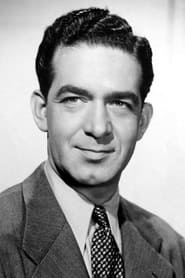
Anthony Warde
Actor
Born: October 19, 1905 in Philadelphia, Pennsylvania, USA Died: January 8, 1975 Active: 1933-1957
Films
1 film
About Anthony Warde
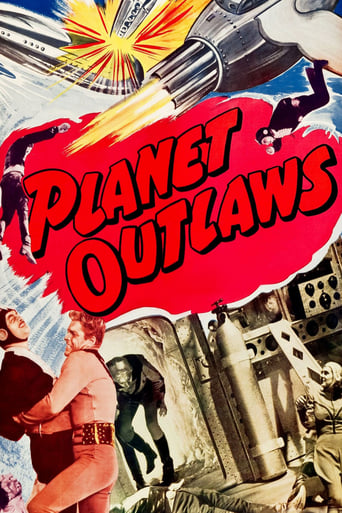
Prolific character actor who specialized in villainous roles during Hollywood's Golden Age, particularly in serials and B-movies. Born in Philadelphia, Pennsylvania, he began his film career in the early 1930s and quickly established himself as a reliable heavy, often playing gangsters, henchmen, and antagonists in low-budget productions. Warde appeared in over 200 films throughout his career, though many were uncredited or minor roles. He became particularly well-known for his work in movie serials, where his menacing presence and distinctive voice made him an ideal villain. His most notable role came in the 1953 serial 'Planet Outlaws,' where he played the villainous Martian leader. Warde continued acting through the 1950s, appearing in television series and feature films until his retirement. Despite never achieving stardom, he became a familiar face to serial fans and B-movie enthusiasts, representing the quintessential character actor who supported the industry from behind the scenes.
The Craft
On Screen
Anthony Warde was known for his imposing physical presence and deep, commanding voice, which made him perfect for villainous roles. He employed a straightforward, no-nonsense approach to acting, delivering his lines with a menacing authority that required minimal theatrical flourish. His style was particularly effective in the fast-paced world of serials, where he could establish his character's threat level quickly and efficiently. Warde specialized in playing henchmen, gang leaders, and foreign villains, often using subtle facial expressions and body language to convey menace. His performances were consistently professional and dependable, making him a favorite among directors who needed a convincing antagonist on short notice.
Milestones
- Appeared in over 200 films and television productions
- Became a staple villain in movie serials
- Worked extensively for Republic Pictures
- Transitioned successfully from films to television in the 1950s
- Developed a reputation as a reliable heavy in Westerns and crime dramas
Best Known For
Iconic Roles
Must-See Films
Accolades
Special Recognition
- Recognized as one of serial cinema's most prolific villains
Working Relationships
Worked Often With
Studios
Why They Matter
Impact on Culture
Anthony Warde contributed significantly to the golden age of movie serials, helping define the archetype of the serial villain. His work influenced generations of character actors who followed in his footsteps, demonstrating the importance of reliable supporting performers in genre cinema. Warde's performances in science fiction and adventure serials helped establish visual and behavioral tropes for screen villains that would persist throughout the 20th century. Though never a star, his consistent presence across hundreds of films made him a familiar face to multiple generations of moviegoers, particularly those who grew up watching Saturday morning serials. His career exemplifies the crucial role played by character actors in building Hollywood's entertainment empire.
Lasting Legacy
Anthony Warde's legacy lies in his contribution to the serial and B-movie genres that dominated American cinema in the 1930s-1950s. He represents the thousands of working actors who formed the backbone of Hollywood's studio system, providing essential support to stars and ensuring the quality of even the most modest productions. Today, film historians and serial enthusiasts recognize Warde as. His performances continue to be studied and appreciated by those interested in the craft of character acting and the history of American genre cinema. Warde's filmography serves as a valuable record of the serial format's golden age and the actors who made these productions memorable.
Who They Inspired
Warde influenced subsequent generations of character actors through his professional approach and versatility in playing various types of villains. His work in serials helped establish conventions for portraying antagonists in serialized storytelling that would later influence television and film. Many actors who specialized in villainous roles in later decades, particularly in television westerns and crime dramas, followed the template Warde helped create. His ability to make even minor roles memorable through physical presence and vocal delivery became a model for character actors working in limited screen time.
Off Screen
Anthony Warde maintained a relatively private personal life despite his extensive film career. He married and had children, though details about his family remain scarce. Unlike many Hollywood actors of his era, he avoided the spotlight when not working, preferring a quiet domestic life. Warde was known among his colleagues as a professional and reliable actor who took his craft seriously regardless of the role's size. After retiring from acting, he lived out his remaining years away from the entertainment industry.
Education
Unknown (educational background not documented)
Family
- Unknown (marriage details not publicly documented)
Did You Know?
- Appeared in over 200 films but was often uncredited
- Specialized in playing villains, particularly in serials
- Worked extensively with Republic Pictures, the leading producer of serials
- Had a distinctive deep voice that made him perfect for radio and voice work
- Often played henchmen to main villains in serials
- Was a regular presence in Western films and serials
- Transitioned to television in the 1950s as the serial format declined
- Was typecast so effectively as a villain that he rarely played heroic roles
- His menacing appearance made him a popular choice for gangster roles
- Worked with many of the leading serial directors of his era
In Their Own Words
As a character actor, I'm not here to be the hero - I'm here to make the hero look good
Playing the bad guy is always more fun - you get to do all the things you can't in real life
Frequently Asked Questions
Who was Anthony Warde?
Prolific American character with credits in this catalog. He appeared in over 200 films between 1933 and 1957, specializing in gangsters, henchmen, and antagonists, particularly for Republic Pictures serials.
What films is Anthony Warde best known for?
Titles linked here include Planet Outlaws (1953), The Purple Monster Strikes (1945).
When was Anthony Warde born and when did he die?
Born October 19, 1905; died January 8, 1975.
What awards did Anthony Warde win?
Anthony Warde did not receive major formal awards or nominations during his career, as was common for character actors specializing in B-movies and serials. However, he is recognized by film historians as one of serial cinema's most prolific and memorable villains.
What was Anthony Warde's acting style?
Warde employed a straightforward, menacing acting style characterized by his imposing physical presence and deep, commanding voice. He specialized in quickly establishing his characters as threatening antagonists, making him ideal for the fast-paced serial format where efficiency was crucial.