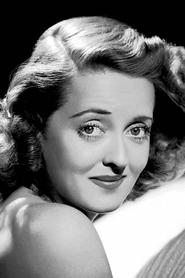
Bette Davis
Actor
Born: April 5, 1908 in Lowell, Massachusetts, USA Died: October 6, 1989 Active: 1931-1989 Birth Name: Ruth Elizabeth Davis
Films
1 film
About Bette Davis
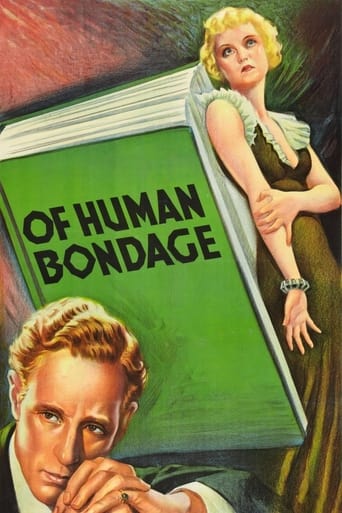
Ruth Elizabeth 'Bette' Davis was one of American cinema's most and influential actresses, known for her intense, passionate performances and uncompromising dedication to her craft. After studying drama and moving to New York, she made her Broadway debut in 1929 before signing with Universal Pictures in 1930. Her breakthrough came with her role as the vicious Mildred Rogers in Of Human Bondage (1934), which earned her her first Academy Award nomination and established her as a serious dramatic actress. Davis signed with Warner Bros. In 1936, where she would star in over 50 films, becoming the studio's biggest box-office draw and earning the nickname 'The Fifth Warner Brother.' She won Academy Awards for Dangerous (1935) and Jezebel (1938), and delivered performances in films like All About Eve (1950), Whatever Happened to Baby Jane? (1962), and What Ever Happened to Baby Jane? (1962). Known for her willingness to play unsympathetic characters and her fierce independence, Davis became a symbol of female strength and complexity in Hollywood. Her six decades, with her final film appearance in 1989's Wicked Stepmother, and she on cinema as one of its greatest and most enduring talents.
The Craft
On Screen
Davis was renowned for her intense, naturalistic acting style that emphasized psychological realism and emotional authenticity. She employed a distinctive method of physical transformation for each role, including changes in posture, voice, and mannerisms that completely immersed her in character. Her technique involved studying her characters' motivations deeply and bringing a fierce intelligence and often abrasive edge to her performances. Davis was known for her willingness to appear unglamorous when the role demanded it, and her eyes became her most expressive feature, capable of conveying complex emotions with remarkable subtlety. She pioneered a style of acting that balanced theatrical intensity with psychological depth, influencing generations of actors who followed.
Milestones
- First major critical acclaim in Of Human Bondage (1934)
- Academy Award for Best Actress for Dangerous (1935)
- Academy Award for Best Actress for Jezebel (1938)
- First actor to receive ten Academy Award nominations
- Iconic role as Margo Channing in All About Eve (1950)
- Career revival with Whatever Happened to Baby Jane? (1962)
- First female president of the Academy of Motion Picture Arts and Sciences
- AFI Life Achievement Award recipient (1977)
Best Known For
Iconic Roles
Must-See Films
Accolades
Won
- Academy Award for Best Actress - Dangerous (1935)
- Academy Award for Best Actress - Jezebel (1938)
- Volpi Cup for Best Actress - Whatever Happened to Baby Jane? (1962)
- Cannes Film Festival Best Actress - All About Eve (1951)
- New York Film Critics Circle Award for Best Actress - All About Eve (1950)
- Golden Globe Cecil B. DeMille Award (1974)
- AFI Life Achievement Award (1977)
- National Board of Review Award for Best Actress - All About Eve (1950)
Nominated
- Academy Award nomination - Of Human Bondage (1934)
- Academy Award nomination - Dark Victory (1939)
- Academy Award nomination - The Letter (1940)
- Academy Award nomination - The Little Foxes (1941)
- Academy Award nomination - Now, Voyager (1942)
- Academy Award nomination - Mr. Skeffington (1944)
- Academy Award nomination - All About Eve (1950)
- Academy Award nomination - What Ever Happened to Baby Jane? (1962)
- BAFTA Award nomination - What Ever Happened to Baby Jane? (1963)
- Golden Globe nomination - Whatever Happened to Baby Jane? (1963)
Special Recognition
- Hollywood Walk of Fame star (1960)
- First female president of the Academy of Motion Picture Arts and Sciences (1941)
- Kennedy Center Honors (1987)
- American Film Institute's Greatest Female Stars of Classic Hollywood Cinema - #2
- United States Postal Service commemorative stamp (2008)
- New York Times' Greatest Actors of the 20th Century
Working Relationships
Worked Often With
Studios
Why They Matter
Impact on Culture
Bette Davis revolutionized the portrayal of women in American cinema by bringing unprecedented complexity, intelligence, and psychological depth to her characters. Her willingness to play unsympathetic, morally ambiguous women challenged Hollywood's traditional gender roles and paved the way for more realistic female characters. Davis became an icon of female empowerment, embodying strength, independence, and resilience both on screen and off. Her famous feud with Joan Crawford and their collaboration in Whatever Happened to Baby Jane? created a new genre of 'psycho-biddy' films that explored aging and female rivalry. Davis's distinctive style, from her clipped New England accent to her expressive eyes, influenced generations of actors and became deeply embedded in popular culture. She also broke barriers as the first female president of the Academy, though her tenure was brief due to her confrontational style. Her legacy includes inspiring countless actresses to demand better roles and greater creative control in an industry dominated by male power structures.
Lasting Legacy
Bette Davis's legacy endures as one of cinema's most formidable talents and a cultural icon who transcended her era. Her filmography contains some of the most acclaimed performances in film history, with All About Eve's Margo Channing ranking among the greatest characterizations ever captured on screen. Davis's influence extends beyond her films to her impact on acting technique, her role in establishing actors' rights within the studio system, and her status as a feminist icon. Her famous quote 'Fasten your seatbelts, it's going to be a bumpy night' has become part of the cultural lexicon, and her life story has inspired numerous books, documentaries, and even a Broadway show. Davis's willingness to age on screen and tackle difficult roles in her later years set a precedent for actresses working past their youth. Today, she is remembered not just as a brilliant actress but as a pioneer who fought for artistic integrity and professional respect in an industry that often marginalized women. Her work continues to be studied in film schools and celebrated in retrospectives worldwide.
Who They Inspired
Davis's naturalistic, psychologically intense acting style influenced method actors like Marlon Brando and Montgomery Clift who followed her. Her technique of completely transforming herself for each role, both physically and emotionally, became a model for serious dramatic actors. Davis's business acumen and willingness to battle studios for better roles and creative control paved the way for later stars to demand more power in Hollywood. Her success in playing unsympathetic characters without compromising audience sympathy demonstrated the commercial viability of complex female protagonists. Contemporary actresses from Meryl Streep to Cate Blanchett have cited Davis as an influence, particularly her technical precision and emotional range. The 'Bette Davis eyes' became a cultural reference point for expressive acting, and her impact extends to fashion, with her distinctive style influencing designers and vintage enthusiasts. Davis's career longevity and ability to reinvent herself inspired later actors to pursue diverse roles throughout their careers rather than being typecast.
Off Screen
Bette Davis had a famously turbulent personal life marked by four marriages and numerous high-profile relationships. She married Harmon Oscar Nelson Jr. In 1932, Arthur Farnsworth in 1940 (who died in 1943), William Grant Sherry in 1945, and Gary Merrill in 1950. Her relationship with Merrill, whom she met while filming All About Eve, was particularly passionate and ended in divorce in 1960. Davis had three children: a daughter, Barbara, with Nelson; a daughter, Margot, with Sherry; and an adopted son, Michael, with Merrill. She was known for her fierce independence and often clashed with studio executives, leading to her famous suspension from Warner Bros. In 1936. Davis was also a dedicated patriot who entertained troops during World War II and was known for her sharp wit and no-nonsense personality both on and off screen.
Education
Attended Cushing Academy in Ashburnham, Massachusetts; studied drama at the John Murray Anderson School of Theatre in New York City
Family
- Harmon Oscar Nelson Jr. (1932-1938)
- Arthur Farnsworth (1940-1943, his death)
- William Grant Sherry (1945-1950)
- Gary Merrill (1950-1960)
Did You Know?
- Was the first actor to receive ten Academy Award nominations
- Her famous line 'Fasten your seatbelts, it's going to be a bumpy night' was ad-libbed during filming of All About Eve
- Had a long-standing feud with Joan Crawford that lasted decades
- Was the first female president of the Academy of Motion Picture Arts and Sciences
- Her distinctive eyes inspired the 1981 hit song 'Bette Davis Eyes' by Kim Carnes
- Smoked approximately 100 cigarettes a day for most of her adult life
- Was nominated for an Emmy Award for her role in the TV miniseries 'The White Mama' (1980)
- Turned down the role of Blanche DuBois in 'A Streetcar Named Desire' (1951)
- Her birth name was Ruth Elizabeth Davis, but she changed it to Bette after Balzac's novel 'Cousin Bette'
- Was a registered Republican who supported Richard Nixon
- Suffered a mastectomy in 1983 but returned to work shortly after
- Her daughter Barbara wrote a scathing tell-all book about her titled 'My Mother's Keeper'
In Their Own Words
Fasten your seatbelts, it's going to be a bumpy night.
Until you're known in my profession, you're not known at all.
I'd love to kiss you, but I just washed my hair.
I'm the nicest goddamn dame that ever lived.
There was a period when Hollywood wouldn't even consider me for a part. I was too 'strong' an image.
I will not be underestimated.
Acting should be bigger than life. Scripts should be bigger than life. It should all be bigger than life.
I never blame myself when I'm not hitting. I just blame the bat and if it keeps up, I change bats.
Frequently Asked Questions
Who was Bette Davis?
Bette Davis was one of the greatest and most influential actresses in Hollywood history, known for her intense, passionate performances and uncompromising dedication to her craft. She starred in over 100 films during her six-decade career and won two Academy Awards for Best Actress.
What films is Bette Davis best known for?
Titles linked here include All About Eve (1950), Whatever Happened to Baby Jane? (1962).
When was Bette Davis born and when did she die?
Born April 5, 1908; died October 6, 1989.
What awards did Bette Davis win?
Davis won two Academy Awards for Best Actress for Dangerous (1935) and Jezebel (1938), and received a total of ten Oscar nominations. She also won the AFI Life Achievement Award, a Golden Globe Cecil B. DeMille Award, and numerous other honors.
What was Bette Davis's acting style?
Davis was known for her intense, naturalistic acting style that emphasized psychological realism and emotional authenticity. She completely transformed herself for each role through changes in posture, voice, and mannerisms, and was famous for her expressive eyes and willingness to play unsympathetic characters.
What was Bette Davis's relationship with Joan Crawford?
Davis had a legendary feud with Joan Crawford that lasted decades, stemming from professional jealousy and personal animosity. Their rivalry culminated in their co-starring roles in Whatever Happened to Baby Jane? (1962), though tensions remained high throughout filming.
How many times was Bette Davis married?
Bette Davis was married four times: to Harmon Oscar Nelson Jr. (1932-1938), Arthur Farnsworth (1940-1943, until his death), William Grant Sherry (1945-1950), and Gary Merrill (1950-1960).
What was Bette Davis's impact on Hollywood?
Davis revolutionized the portrayal of women in cinema by bringing unprecedented complexity and psychological depth to her roles. She fought for actors' rights within the studio system, became the first female president of the Academy, and paved the way for more realistic female characters and greater creative control for performers.