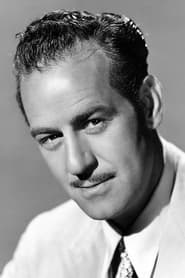
Roy Barcroft
Actor
Born: September 7, 1902 in Crab Orchard, Nebraska, USA Died: November 28, 1969 Active: 1937-1969 Birth Name: Howard William Ravenscroft
Films
1 film
About Roy Barcroft
Roy Barcroft was one of Hollywood's most prolific character actors, specializing in villainous roles throughout the Golden Age of westerns and serials. Born Howard William Ravenscroft in Nebraska, he began his film career in the late 1930s after working various jobs including as a professional baseball player and radio announcer. Barcroft became a staple at Republic Pictures, where he appeared in countless westerns opposite stars like Roy Rogers, Gene Autry, and John Wayne, establishing himself as the studio's go-to heavy. His imposing 6'2" frame and deep, commanding voice made him the perfect antagonist in over 300 films and television shows throughout his three-decade career. Despite primarily playing villains, he gained immense respect from his peers for his professionalism, reliability, and ability to bring depth to even the most one-dimensional characters. Barcroft successfully transitioned to television in the 1950s as the western film genre declined, appearing in popular series like 'The Lone Ranger' and 'Gunsmoke.' He continued working steadily until the late 1960s when health issues forced his retirement, leaving behind an incredible legacy as one of cinema's most recognizable character actors.
The Craft
On Screen
Barcroft specialized in portraying menacing antagonists with an imposing physical presence and distinctive deep, resonant voice. His acting style was characterized by a commanding screen presence that required minimal dialogue to establish threat and authority. He excelled at using subtle gestures, intimidating glares, and his towering 6'2" stature to create memorable villains. Despite often playing one-dimensional characters, Barcroft brought nuance and professionalism to every role, making his villains believable and genuinely threatening to audiences.
Milestones
- Appeared in over 300 films and television shows
- Became Republic Pictures' primary villain actor
- Worked extensively with western stars Roy Rogers and Gene Autry
- Successfully transitioned from film to television in the 1950s
- Played memorable roles in classic serials like 'Zorro's Fighting Legion'
- Served in the U.S. Army Air Corps during WWII while maintaining acting career
- Became one of Hollywood's most recognizable character actors
Best Known For
Iconic Roles
Must-See Films
Accolades
Special Recognition
- Recognized as one of Hollywood's most prolific character actors
- Honored by western film preservation societies for contributions to the genre
Working Relationships
Worked Often With
Studios
Why They Matter
Impact on Culture
Roy Barcroft significantly shaped the archetype of the western villain during Hollywood's Golden Age. His consistent and memorable performances helped establish the visual and behavioral template for movie antagonists in westerns and serials. Barcroft's work contributed to the popularity of Republic Pictures' output during the 1940s and 1950s, making the studio a dominant force in B-western production. His characters became so familiar to audiences that his mere appearance in a film immediately signaled conflict and danger to viewers. Barcroft's extensive filmography represents.
Lasting Legacy
Roy Barcroft's legacy endures as one of cinema's most prolific and recognizable character actors, with over 300 credited performances spanning three decades. His work represents an important chapter in Hollywood history, particularly in the western genre where he became the face of villainy for generations of moviegoers. Film historians and western enthusiasts continue to celebrate his contributions, with many of his films preserved and screened at classic film festivals. Barcroft's career shows the importance of character actors in supporting the star system and creating memorable cinema experiences. His influence can be seen in the work of subsequent character actors who specialized in villainous roles across various genres.
Who They Inspired
Barcroft influenced generations of character actors through his professional approach and distinctive villain portrayals. His ability to bring depth to seemingly one-dimensional roles set a standard for supporting actors in genre films. Many subsequent western villains drew inspiration from his physical presence and vocal delivery. His successful transition from film to television demonstrated how character actors could adapt to changing media landscapes, providing a model for others in similar positions. Barcroft's work ethic and reliability became legendary within the industry, influencing how studios approached casting for supporting roles.
Off Screen
Roy Barcroft married Lois Barcroft in the 1930s, and they remained together until his death in 1969. The couple had several children, though details about them remain largely private. Before entering show business, Barcroft worked as a professional baseball player, playing in the minor leagues, and later as a radio announcer where he developed his distinctive voice. He served in the U.S. Army Air Corps during World War II, balancing his military service with his acting career. Barcroft was known in Hollywood as a reliable professional and devoted family man who avoided the typical Hollywood lifestyle and scandals.
Education
Limited formal education; attended local schools in Nebraska before pursuing various careers including baseball and radio broadcasting
Family
- Lois Barcroft (1930s-1969)
Did You Know?
- Born Howard William Ravenscroft, he changed his name to Roy Barcroft for his acting career
- Was a professional baseball player before entering show business
- Served in the U.S. Army Air Corps during World War II while maintaining his acting career
- Appeared in over 300 films and television shows throughout his career
- Was 6'2" tall, which contributed to his intimidating screen presence
- Worked extensively with Republic Pictures, becoming their go-to villain actor
- His deep, resonant voice also made him suitable for radio work
- Often played multiple roles in the same film or serial due to his versatility
- Despite playing villains, he was well-liked by his co-stars and known as a professional on set
- His final film appearance was in 'The Reivers' (1969), starring Steve McQueen
- Was one of the few character actors to work consistently from the 1930s through the 1960s
In Their Own Words
(As a villain in numerous westerns) 'You'll never get away with this!' (typical line delivered with his distinctive menacing tone)
In interviews: 'I've been killed more times than anyone in Hollywood history, but I always come back for the next picture'
Frequently Asked Questions
Who was Roy Barcroft?
Prolific American character with credits in this catalog. He appeared in over 300 films and television shows during a career spanning from 1937 to 1969, becoming one of Hollywood's most recognizable antagonists.
What films is Roy Barcroft best known for?
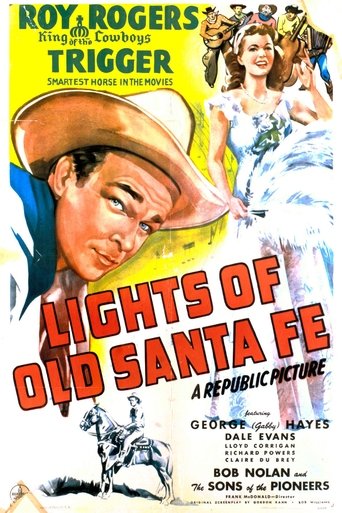
Titles linked here include Lights of Old Santa Fe (1944), Zorro's Fighting Legion (1939).
When was Roy Barcroft born and when did he die?
Born September 7, 1902; died November 28, 1969.
What awards did Roy Barcroft win?
Despite his extensive career and over 300 film appearances, Roy Barcroft did not receive major industry awards or Academy Award nominations. However, he was recognized by western film preservation societies and is remembered as one of Hollywood's most prolific character actors.
What was Roy Barcroft's acting style?
Barcroft specialized in portraying menacing antagonists using his imposing 6'2" stature and deep, commanding voice. His style emphasized physical presence and subtle gestures over extensive dialogue, creating memorable villains with minimal screen time. He brought professionalism and nuance to even the most one-dimensional characters.
How did Roy Barcroft influence cinema?
Barcroft helped establish the archetype of the western villain during Hollywood's Golden Age, influencing how antagonists were portrayed in genre films. His successful career demonstrated the importance of character actors in supporting the star system, and his transition to television showed how supporting actors could adapt to changing media landscapes.
Did Roy Barcroft have any other careers before acting?
Before entering show business, Barcroft worked as a professional baseball player in the minor leagues and later as a radio announcer, where he developed the distinctive voice that became his trademark in films.