Films
1 film
About Shi Fengai
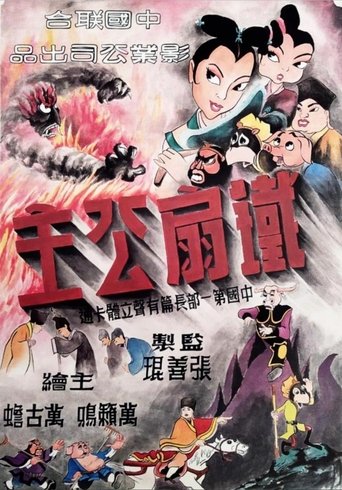
Voice actor in Chinese cinema history, best known for providing the voice of the Monkey King in Asia's first feature-length animated film, Princess Iron Fan (1941). His vocal performance helped establish the character archetype for Sun Wukong in animated media, bringing the beloved literary figure to life with distinctive energy and charisma. Working during a tumultuous period in Chinese history, Shi contributed to this production during the Second Sino-Japanese War, when the film served as both entertainment and propaganda to boost national morale. His work on Princess Iron Fan represented a significant milestone in Chinese animation, predating Disney's feature-length works and showcasing China's technical capabilities. Unfortunately, detailed records of Shi's broader career are scarce, suggesting he may have been primarily a stage actor or radio performer who was specifically chosen for this landmark animated project. His contribution to this historic film, however, cemented his place in the annals of Chinese cinema as one of the first voice actors to bring a major animated character to life on the big screen.
The Craft
Milestones
- Voice performance as Sun Wukong in Princess Iron Fan (1941)
- Participation in Asia's first feature-length animated film
Best Known For
Iconic Roles
Must-See Films
Working Relationships
Worked Often With
Studios
Why They Matter
Impact on Culture
Shi Fengai's vocal performance as Sun Wukong in Princess Iron Fan had a profound cultural impact as it helped establish the auditory template for one of Chinese literature's most iconic characters in animation. The film itself was a landmark achievement, being the first animated feature from Asia and predating Disney's Snow White by four years in development. Shi's portrayal contributed to the wartime morale of the Chinese people during the Japanese occupation, as the story of overcoming obstacles resonated with contemporary audiences. His work demonstrated the potential of voice acting in animated storytelling in China, influencing subsequent generations of voice performers in the industry.
Lasting Legacy
Shi Fengai's legacy is intrinsically tied to his role in Princess Iron Fan, making him a footnote but important figure in the history of world animation. While his name may not be widely recognized, his voice contributed to a film that broke new ground for Asian cinema and proved that China could produce feature-length animation on par with Western studios. The film and his performance have been studied by film historians as examples of early Chinese resistance through art, and his interpretation of the Monkey King set a precedent for future animated adaptations of Journey to the West.
Who They Inspired
Shi Fengai's work influenced subsequent Chinese voice actors by demonstrating how traditional literary characters could be successfully adapted to the new medium of animation with voice. His performance helped establish the energetic, mischievous yet heroic tone that would become associated with animated portrayals of Sun Wukong in Chinese media for decades to come. The success of Princess Iron Fan, aided by his vocal contribution, inspired the Wan Brothers to continue their animation work, leading to more films that would train and employ future voice talent in China's growing animation industry.
Off Screen
Very little is documented about Shi Fengai's personal life, as historical records from this period of Chinese cinema are incomplete, especially for voice actors who were not always credited prominently.
Did You Know?
- Princess Iron Fan was the first feature-length animated film produced in Asia
- The film took three years to produce (1938-1941) during the Second Sino-Japanese War
- Shi Fengai voiced the Monkey King (Sun Wukong),
- The film was based on a chapter from the classic 16th-century novel 'Journey to the West'
- Princess Iron Fan was released in China during the Japanese occupation and served as patriotic propaganda
- The film's production was funded by the Chinese government to boost morale
- Voice actors in early Chinese animation were often stage actors with strong projection skills
- The film was also released in the United States in 1943, making it one of the first Chinese animated films seen by American audiences
Frequently Asked Questions
Who was Shi Fengai?
Chinese voice with credits in this catalog. His performance helped establish the character's voice in animation and contributed to this historic milestone in Chinese cinema.
What films is Shi Fengai best known for?
Titles linked here include Princess Iron Fan (1941).
When was Shi Fengai born and when did he die?
Unfortunately, specific birth and death dates for Shi Fengai are not documented in available historical records, which is common for many voice actors from early Chinese cinema.
What awards did Shi Fengai win?
There are no documented awards or nominations for Shi Fengai, as award systems for voice acting in Chinese cinema were not established during his active period in the early 1940s.
What was Shi Fengai's acting style?
While specific details about Shi Fengai's acting technique are not recorded, his performance as the Monkey King in Princess Iron Fan demonstrated the energetic and theatrical vocal style typical of stage actors transitioning to early animation voice work.
What was the significance of Princess Iron Fan?
Princess Iron Fan was historically significant as Asia's first feature-length animated film, produced during wartime China. The film showcased Chinese technical capabilities and served as both entertainment and patriotic propaganda during the Japanese occupation.