Films
1 film
About Wan Dihuan
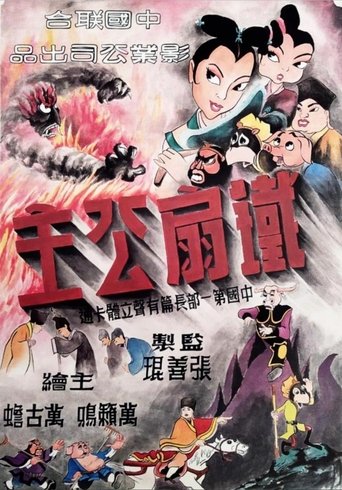
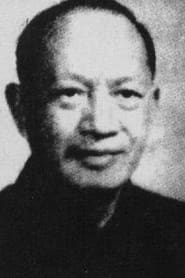
Chinese animator and the eldest of the famous Wan brothers who revolutionized Chinese animation during the early 20th century. Born in Nanjing in 1900, he began his artistic journey alongside his younger brothers Wan Guchan, Wan Laiming, and Wan Chaochen, establishing one of China's first animation studios in Shanghai during the 1920s. The brothers collaborated on numerous early animated shorts and commercials, developing their unique style that combined traditional Chinese artistic elements with modern animation techniques. Their crowning achievement came with the production of 'Princess Iron Fan' (1941), China's first animated feature film, which Wan Dihuan helped create during the difficult years of the Second Sino-Japanese War. Unlike his brothers who continued in animation for decades, Wan Dihuan departed from the animation field relatively early in his career, though his contributions to the foundational work of Chinese animation remained significant. His legacy lives on through the Wan brothers' collective impact on establishing Chinese animation as an art form and their role in creating the first animated feature in Asia.
The Craft
Milestones
- Co-founded one of China's first animation studios in Shanghai (1920s)
- Created early animated shorts and commercials with his brothers
- Co-directed and animated 'Princess Iron Fan' (1941), China's first animated feature
- Pioneered Chinese animation techniques during wartime conditions
- Contributed to establishing Chinese animation as an independent art form
Best Known For
Iconic Roles
Must-See Films
Accolades
Special Recognition
- Recognized as one of the pioneers of Chinese animation
- Honored as part of the Wan brothers' legacy in Chinese film history
Working Relationships
Worked Often With
Studios
Why They Matter
Impact on Culture
Wan Dihuan and his brothers revolutionized Chinese cinema by introducing and developing animation as a legitimate art form in China. Their work on 'Princess Iron Fan' not only represented a technical achievement but also a cultural milestone, proving that Chinese stories and artistic traditions could be successfully adapted to the new medium of animation. The film's success during wartime Japan demonstrated the power of animation as a tool for cultural expression and national pride.
Lasting Legacy
Wan Dihuan's legacy is intertwined with the Wan brothers' collective achievement of creating China's first animated feature film, which paved the way for the Chinese animation industry. His early contributions helped establish the foundation for Chinese animation, influencing countless animators who followed. The Wan brothers are remembered as the founding fathers of Chinese animation, with 'Princess Iron Fan' remaining a landmark achievement in Asian cinema history.
Who They Inspired
Wan Dihuan and his brothers influenced generations of Chinese animators by demonstrating that Chinese culture and stories could be successfully told through animation. Their work inspired future Chinese animators to develop their own unique styles rather than simply imitating Western techniques. The Wan brothers' approach to incorporating traditional Chinese artistic elements into animation became a model for later Chinese animated productions.
Off Screen
Wan Dihuan was the eldest of the four Wan brothers who became known as the fathers of Chinese animation. The family came from Nanjing and moved to Shanghai where the brothers began their artistic careers. Unlike his brothers who remained dedicated to animation throughout their lives, Wan Dihuan eventually left the animation field to pursue other interests, though he maintained pride in their collective achievements.
Education
Self-taught artist and animator, learned through practical experience and experimentation with his brothers
Did You Know?
- Wan Dihuan was the eldest of the four Wan brothers who pioneered Chinese animation
- The brothers started their animation work using simple equipment, sometimes even using bed sheets as projection screens
- 'Princess Iron Fan' was not only China's first animated feature but also the first animated feature produced in Asia
- The film was based on a chapter from the classic Chinese novel 'Journey to the West'
- During production of 'Princess Iron Fan,' the brothers worked under difficult wartime conditions with limited resources
- Unlike his brothers who continued in animation for decades, Wan Dihuan left the animation field relatively early
- The Wan brothers' animation studio was one of the first of its kind in China
- Their early work included animated advertisements for commercial products in Shanghai
- The success of 'Princess Iron Fan' led to international recognition, including screenings in Japan
- Wan Dihuan and his brothers are often referred to as the 'Walt Disney of China' for their role
Frequently Asked Questions
Who was Wan Dihuan?
Chinese animator and the eldest of the famous Wan brothers who created China's first animated feature film. He was instrumental in establishing Chinese animation as an art form during the 1920s-1940s.
What films is Wan Dihuan best known for?
Titles linked here include Princess Iron Fan (1941).
When was Wan Dihuan born and when did he die?
Born 1900; died 1997.
What awards did Wan Dihuan win?
While Wan Dihuan did not receive formal awards during his lifetime, he is honored as one of the pioneers of Chinese animation and recognized as part of the Wan brothers' legacy in Chinese film history.
What was Wan Dihuan's animation style?
Wan Dihuan's animation style incorporated traditional Chinese artistic elements, including influences from Chinese painting and opera movements, creating a distinctly Chinese visual language that differed from Western animation.
Why did Wan Dihuan leave animation?
Unlike his brothers who continued in animation for decades, Wan Dihuan departed from the animation field relatively early in his career, though the specific reasons are not well documented in historical records.
How did Wan Dihuan contribute to Chinese cinema?
Wan Dihuan helped establish the foundation of Chinese animation by co-founding one of China's first animation studios and co-creating the first Chinese animated feature, paving the way for the country's animation industry.