Films
1 film
About James Harris
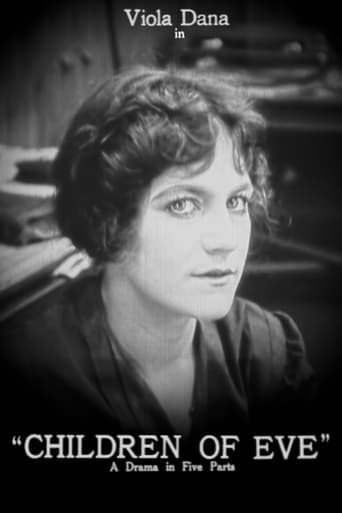
American actor during the days of silent cinema, known primarily for his appearance in the 1915 social drama 'Children of Eve.' His career appears to have been extremely brief, with film records indicating activity only during the year 1915. Like many actors of this early period, Harris was likely drawn to the burgeoning film industry during its transitional phase from short subjects to feature-length productions. His participation in 'Children of Eve' places him among the early performers who helped establish narrative cinema as an art form. The film itself was notable for its progressive social commentary and was directed by William Desmond Taylor, who would later become a prominent Hollywood director before his mysterious murder in 1922. Harris's limited filmography suggests he may have been a stage actor who briefly experimented with the new medium of motion pictures, or perhaps an early film actor who did not continue in the industry as it evolved. The lack of extensive documentation about his career is typical of many supporting actors from this era, whose contributions were significant but often went unrecorded in film history.
The Craft
Milestones
- Appeared in 'Children of Eve' (1915), an early American feature film dealing with social reform themes
- Participated in the early silent film era during its transition to feature-length productions
Best Known For
Iconic Roles
Must-See Films
Working Relationships
Worked Often With
Why They Matter
Impact on Culture
James Harris represents the countless anonymous actors who participated in the birth of American cinema during the silent era. While his individual contribution may seem minimal, his appearance in 'Children of Eve' places him within the context of early Hollywood's experimentation with socially conscious storytelling. The film itself was part of a movement in the 1910s toward more sophisticated narrative cinema that addressed contemporary social issues, helping establish film as a medium capable of serious artistic expression. Harris and other actors of his generation were pioneers who helped develop the language of cinematic performance before the establishment of Hollywood's star system and studio structure.
Lasting Legacy
James Harris's legacy is primarily as a representative figure of the anonymous actors who populated early American films. His brief career exemplifies the transient nature of early film work, when many actors tried the new medium without achieving lasting fame. The survival of his name in film credits, however minimal, provides a glimpse into the collaborative nature of early filmmaking and the many contributors who have been lost to film history. His appearance in 'Children of Eve' connects him to an important transitional period in American cinema when films began addressing social issues and developing more complex narratives.
Who They Inspired
Due to the brevity of his documented career and lack of extensive information about his work, James Harris's specific influence on other performers or the film industry cannot be definitively traced. However, like all actors who worked during the silent era's formative years, he contributed to the development of cinematic acting techniques that would later influence generations of performers. His participation in early feature films helped establish the foundation for the narrative film industry that would follow.
Off Screen
Very little is documented about James Harris's personal life, which is typical of many supporting actors from the silent film era who were not major stars. The scarcity of biographical information suggests he was not a prominent public figure beyond his brief film appearance.
Did You Know?
- 'Children of Eve' (1915) was directed by William Desmond Taylor, who was mysteriously murdered in 1922, creating one of Hollywood's greatest unsolved crimes
- The film 'Children of Eve' was notable for its time for addressing social reform issues, particularly concerning poverty and child welfare
- 1915 was a pivotal year in American cinema, marking the transition from short films to feature-length productions
- Many actors from this period, like Harris, were stage performers who were experimenting with the new medium of motion pictures
- The survival rate of films from 1915 is extremely low, with estimates suggesting only about 20% of American films from this year still exist
- Early silent film actors often received no screen credit, making it difficult to trace the careers of performers like Harris
- The film industry in 1915 was still centered primarily on the East Coast before the complete migration to Hollywood
- Actors in this era often had to provide their own costumes and were paid per day rather than having long-term contracts
Frequently Asked Questions
Who was James Harris?
American with credits in this catalog.' His career appears to have been extremely brief, with documented film activity only during the year 1915, making him one of the many early actors who participated in cinema's formative years without achieving lasting fame.
What films is James Harris best known for?
Titles linked here include Children of Eve (1915).
When was James Harris born and when did he die?
Unfortunately, specific birth and death dates for James Harris are not available in historical records. This lack of biographical information is common for supporting actors from the silent era who were not major stars and whose personal details were not extensively documented.
What awards did James Harris win?
James Harris did not receive any documented awards or nominations during his brief film career. The Academy Awards were not established until 1929, well after his known film activity in 1915, and most formal acting honors did not exist during the early silent film period.
What was James Harris's acting style?
Specific details about James Harris's acting style are not documented due to the limited availability of his work and the scarcity of biographical information. Actors from 1915 typically used exaggerated gestures and expressions typical of silent film performance, which was necessary to convey emotion without synchronized sound.
Why is so little known about James Harris?
The scarcity of information about James Harris is typical of many actors from the early silent era who were not major stars. Film studios in 1915 did not maintain comprehensive records of supporting actors, many films from this period have been lost, and the entertainment industry had not yet developed the systematic documentation and publicity systems that would later become standard.