Edward Bernds
Director
Born: July 12, 1905 in Chicago, Illinois, USA Died: May 20, 2000 Active: 1928-1965
Films
1 film
About Edward Bernds
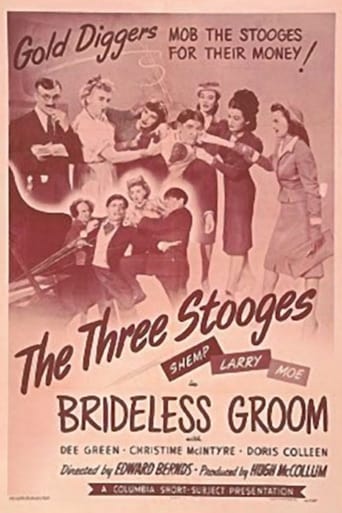
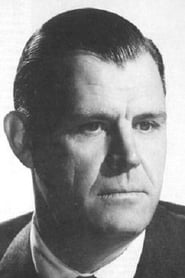
Edward Bernds (1905-2000) was an American film director and screenwriter who became prolific comedy directors of Hollywood's Golden Age, particularly renowned for his work with The Three Stooges at Columbia Pictures. He began his career in the late 1920s as a sound engineer during the crucial transition from silent films to talkies, initially working at MGM before moving to Columbia Pictures where he would make his mark. Bernds transitioned to directing in the 1940s, finding his niche in comedy shorts where he directed numerous Three Stooges classics including 'Brideless Groom' (1947), 'Micro-Phonies' (1945), and 'A Bird in the Head' (1946). His directing over two decades, during which he also worked on feature films including entries in The Bowery Boys series and later transitioned successfully to television direction. Bernds was particularly valued for his efficiency and ability to deliver quality comedy productions under the tight schedules and budgets typical of the studio system. In his later years, he authored the memoir 'Mr. Bernds Goes to Hollywood' (1999), which provided invaluable insights into the workings of Golden Age comedy production and remains an essential resource for film historians.
The Craft
Behind the Camera
Edward Bernds' directing style was characterized by remarkable precision, efficiency, and an innate understanding of comedic timing developed during his years as a sound engineer. His approach emphasized rapid-fire pacing and carefully constructed sight gags, with a particular talent for creating controlled comedic chaos that maximized laughs while maintaining narrative coherence. Bernds was known for his ability to work within the severe constraints of short-form comedy, delivering complete, polished productions on tight schedules and minimal budgets. His technical background influenced his meticulous attention to audio elements, using sound effects and timing to enhance physical comedy. Bernds favored a straightforward, no-nonsense approach that focused on serving the comedy rather than showcasing directorial flourishes, making him particularly effective with performers like The Three Stooges who required precise timing to execute their routines successfully.
Milestones
- Transitioned from sound engineering to directing in the 1940s
- Directed over 20 Three Stooges shorts at Columbia Pictures
- Worked with both Curly Howard and Shemp Howard eras of The Three Stooges
- Directed feature films including The Bowery Boys series
- Successfully transitioned to television direction in the 1950s-60s
- Published influential memoir 'Mr. Bernds Goes to Hollywood' in 1999
Best Known For
Iconic Roles
Must-See Films
Accolades
Special Recognition
- Recognized by film historians as a significant contributor to Golden Age comedy
- Featured in numerous retrospectives on classic comedy
- His memoir considered an essential historical document on Hollywood studio system
Working Relationships
Worked Often With
Studios
Why They Matter
Impact on Culture
Edward Bernds played a crucial role in shaping American comedy during the Golden Age of Hollywood, particularly through his work with The Three Stooges, whose films continue to influence comedy decades later. His technical innovations in sound recording during the transition to talkies helped establish standards for comedy audio that enhanced physical gags and verbal punchlines. Bernds' efficiency and productivity during the studio system era demonstrated how quality comedy could be produced consistently under commercial constraints, a lesson that influenced later television comedy production. His work helped preserve and popularize the slapstick comedy tradition during a period when many studios were moving away from short subjects, ensuring that physical comedy remained a vital part of American entertainment. The continued popularity of the Three Stooges shorts he directed on television and home video has introduced generations of viewers to classic comedy, maintaining cultural continuity in American humor.
Lasting Legacy
Edward Bernds' legacy endures through the timeless comedy of the Three Stooges shorts he directed, which continue to entertain audiences worldwide through television reruns, home video, and streaming platforms. His memoir 'Mr. Bernds Goes to Hollywood' stands as. Film scholars and historians frequently cite Bernds as an exemplar of the studio-era director who could balance artistic creativity with commercial efficiency. His techniques for timing and pacing in physical comedy influenced subsequent generations of comedy directors, particularly in television where the constraints of time and budget mirrored those he faced in short subjects. Bernds is remembered as a craftsman who elevated the comedy short from mere filler to art form, bringing technical precision and comedic sensibility to dozens of films that remain beloved classics.
Who They Inspired
Bernds influenced numerous comedy directors through his efficient techniques and understanding of timing, particularly in television where his methods proved invaluable for sitcom production. Directors like Peter Bogdanovich and Mel Brooks have acknowledged studying the pacing and structure of classic comedy shorts like those directed by Bernds. His work demonstrated how comedy could be both commercially viable and artistically satisfying, providing a model for future generations of comedy filmmakers. The technical precision Bernds brought to comedy, influenced by his sound engineering background, showed how audio elements could enhance visual humor, a lesson that influenced everything from Looney Tunes cartoons to modern comedy films. His ability to work with established comedy acts while bringing fresh perspectives to their routines influenced how directors approach franchise comedy and ensemble casting.
Off Screen
Edward Bernds married Naomi Bernds in 1935, and their marriage lasted until his death in 2000, spanning 65 years. He maintained a relatively private personal life, focusing primarily on his work in the film industry. Bernds was known among colleagues as a professional, reliable, and modest individual who preferred to let his work speak for itself. In his later years, he became a valuable resource for film historians and researchers seeking to understand the inner workings of Hollywood's Golden Age, particularly the comedy short subject industry. His decision to write his memoir in his 90s provided future generations with unprecedented insight into the technical and creative aspects of classic comedy production.
Education
Limited publicly available information about his formal education, though he developed technical expertise in sound engineering through practical experience in the early film industry
Family
- Naomi Bernds (1935-2000)
Did You Know?
- Began his film career as a sound engineer during the transition from silent films to talkies
- Directed over 20 Three Stooges shorts during his tenure at Columbia Pictures
- Worked with both Curly Howard and Shemp Howard eras of The Three Stooges
- Known for completing productions under budget and ahead of schedule
- His sound engineering background influenced his precise approach to comedic timing
- Directed the classic Three Stooges short 'Brideless Groom' featuring Shemp Howard
- Worked extensively with The Bowery Boys in feature films during the 1950s
- Successfully transitioned to television direction in the later years of his career
- Published his memoir at age 94, providing rare insights into Golden Age Hollywood
- Was particularly valued by Columbia Pictures for his reliability and consistency
- His techniques for comedy short production influenced early television sitcoms
- Continued directing into his 60s, adapting to changing media landscapes
In Their Own Words
I learned more about comedy from watching the Stooges work than from any book on directing.
The secret to good comedy is timing, and the secret to timing is knowing exactly when to cut.
In the world of short subjects, you had to be efficient. Every second counted, every dollar mattered.
Working with the Stooges was like directing a well-oiled machine - you just had to know which buttons to push.
Sound is fifty percent of comedy in the movies. The right sound effect can make or break a gag.
Frequently Asked Questions
Who was Edward Bernds?
American on YTB.my. He began as a sound engineer during the transition to talkies and transitioned to directing, becoming.
What films is Edward Bernds best known for?
Titles linked here include Brideless Groom (1947), Micro-Phonies (1945).
When was Edward Bernds born and when did he die?
Born July 12, 1905; died May 20, 2000.
What awards did Edward Bernds win?
While Edward Bernds did not receive major industry awards like Academy Awards, he was recognized by film historians and comedy enthusiasts for his contributions to Golden Age comedy. His work continues to be celebrated through film retrospectives and his influential memoir about Hollywood's studio system.
What was Edward Bernds' directing style?
Bernds' directing style was characterized by precision, efficiency, and a keen understanding of comedic timing developed during his years as a sound engineer. He emphasized rapid-fire pacing and carefully constructed sight gags, with a particular talent for creating controlled comedic chaos within the constraints of short-form storytelling.
How did Edward Bernds influence comedy?
Bernds influenced comedy through his technical innovations in sound recording and his efficient approach to comedy production. His work with The Three Stooges helped preserve slapstick comedy traditions and his techniques influenced later television comedy directors, particularly in timing and pacing.
What was Edward Bernds' background before directing?
Before becoming a director, Edward Bernds worked as a sound engineer during the crucial transition from silent films to talkies in the late 1920s. He initially worked at MGM before moving to Columbia Pictures, where his technical expertise in sound influenced his later approach to comedy direction.