Films
1 film
About Prafulla Roy
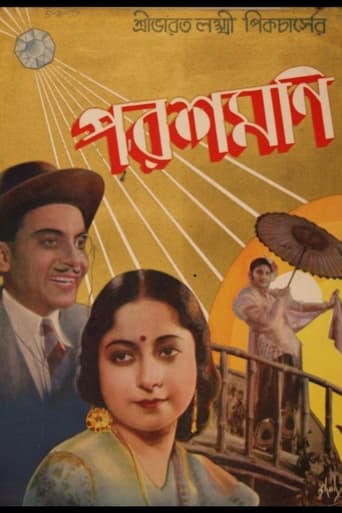
Early pioneer in Indian cinema during the transitional period from silent films to talkies, specifically working in the Bengali film industry. As a director active in the late 1930s, he was part of the first generation of Indian filmmakers who helped establish the foundations of regional cinema in India. His most notable work was directing 'Parashmoni' in 1939, which emerged during a significant period when Bengali cinema was developing its unique identity and artistic voice. Roy's directorial approach reflected the emerging trends of Indian cinema that blended traditional storytelling with modern cinematic techniques. While his active period appears to have been brief, his contribution to early Indian cinema represents the efforts of countless filmmakers who helped build the foundation of what would become one of the world's largest film industries. His work during this era coincided with the golden period of Bengali cultural renaissance, which heavily influenced the artistic direction of regional cinema.
The Craft
Behind the Camera
Reflective of early Bengali cinema's blend of traditional storytelling and emerging cinematic techniques of the late 1930s
Milestones
- Directed Parashmoni (1939)
- Contributed to early Bengali cinema development
- Part of generation of Indian filmmakers
Best Known For
Must-See Films
Why They Matter
Impact on Culture
Prafulla Roy represents the generation of filmmakers who helped establish the foundations of Indian regional cinema, particularly in Bengal during a crucial period of cultural renaissance. His work in 1939 came at a time when Indian cinema was transitioning from its nascent stages to becoming a more sophisticated artistic medium. Directors like Roy were instrumental in adapting traditional Indian narratives to the new medium of cinema, helping create a unique cinematic language that would influence generations of Indian filmmakers. Though his known filmography is limited, his contribution to the early development of Bengali cinema is part of the broader story of how regional Indian cinemas established their distinct identities while contributing to the national cinematic landscape.
Lasting Legacy
Prafulla Roy's legacy lies in his role as one of the early architects of Bengali cinema during its formative years. While detailed records of his work are scarce, his directorial effort in 1939 represents the countless unsung pioneers who helped build the foundation of Indian cinema. His work stands as proof of the early days of regional filmmaking in India, when directors were experimenting with storytelling techniques that would eventually evolve into the rich cinematic traditions we see today. The preservation of films like 'Parashmoni' serves as important documentation of cinema's early development in India and the cultural context of the era.
Who They Inspired
While specific documentation of Prafulla Roy's influence on other filmmakers is limited, directors from his era collectively influenced subsequent generations by establishing early conventions of Indian cinema. Their work in the 1930s helped create a foundation upon which later masters of Indian cinema would build, particularly in Bengal where a rich cinematic tradition would eventually emerge with directors like Satyajit Ray, Ritwik Ghatak, and others.
Off Screen
Very limited information is available about Prafulla Roy's personal life, which is common for many early Indian cinema pioneers whose records were not systematically preserved.
Did You Know?
- Parashmoni (1939) was released during a significant period in Bengali cinema's development
- The 1930s marked the transition from silent films to talkies in Indian cinema
- Early Bengali cinema often drew from literary traditions and cultural heritage
- Directors from this era faced significant technical and resource challenges
- Many early Indian cinema pioneers have limited documented biographical information
- The film industry in Bengal was one of the earliest regional centers of Indian cinema
- 1939 was just before the outbreak of World War II, which would significantly impact film production worldwide
Frequently Asked Questions
Who was Prafulla Roy?
Early Indian on YTB.my. He is primarily known for directing the film 'Parashmoni' in 1939, making him part of the generation of Indian filmmakers who helped establish regional cinema.
What films is Prafulla Roy best known for?
Titles linked here include Parashmoni (1939).
When was Prafulla Roy born and when did he die?
Specific birth and death dates for Prafulla Roy are not well-documented, which is common for many early Indian cinema pioneers. His known active period in filmmaking was in 1939, placing him as a contributor to early Indian cinema.
What awards did Prafulla Roy win?
There are no documented awards or honors for Prafulla Roy, which reflects the limited formal recognition systems for early Indian cinema pioneers. Many filmmakers from this era worked before the establishment of comprehensive award institutions in Indian cinema.
What was Prafulla Roy's directing style?
While specific details about Prafulla Roy's directing style are limited, his work in 1939 would have reflected the emerging trends of early Bengali cinema, which typically blended traditional Indian storytelling with the new cinematic techniques being developed during the transition from silent films to talkies.